REF · 88
Battle Sports
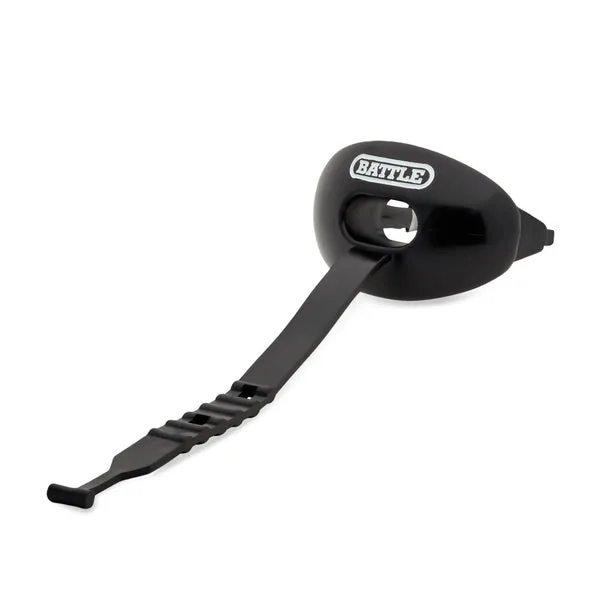
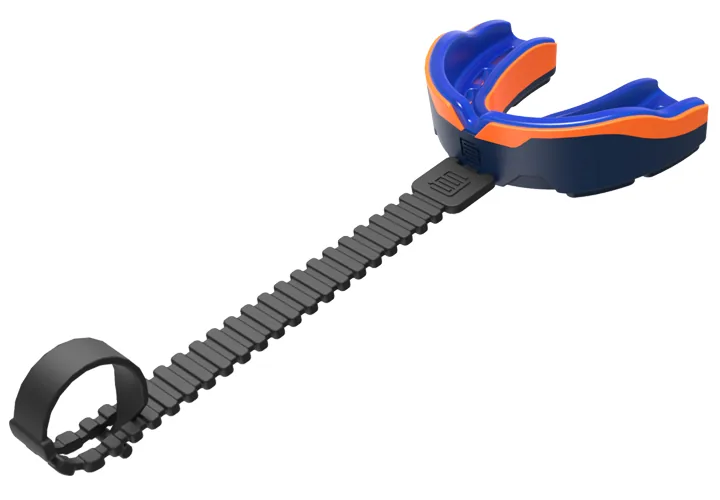
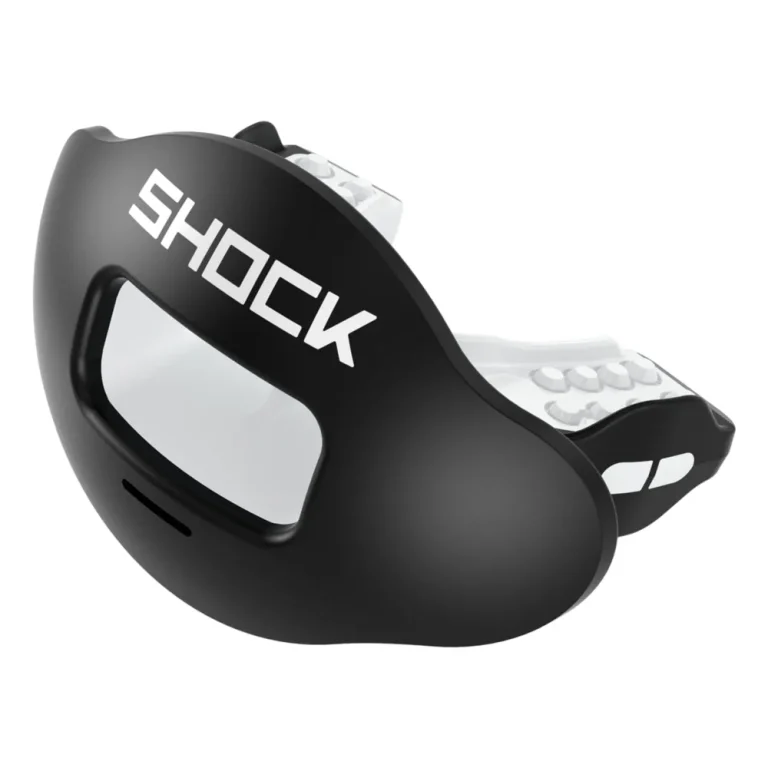
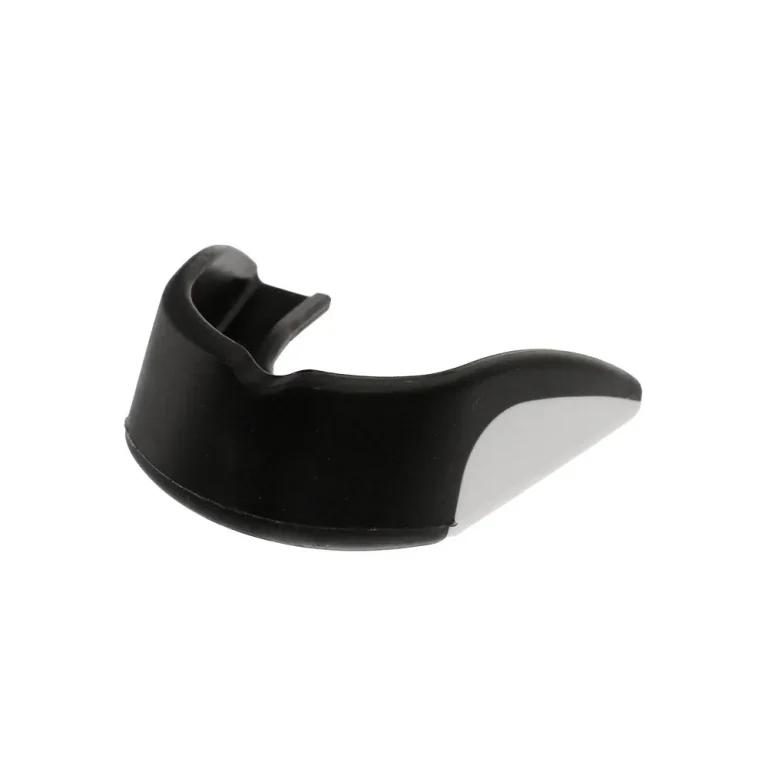
Oxygen Football Mouthguard with Connected Strap
European price to come
See the product
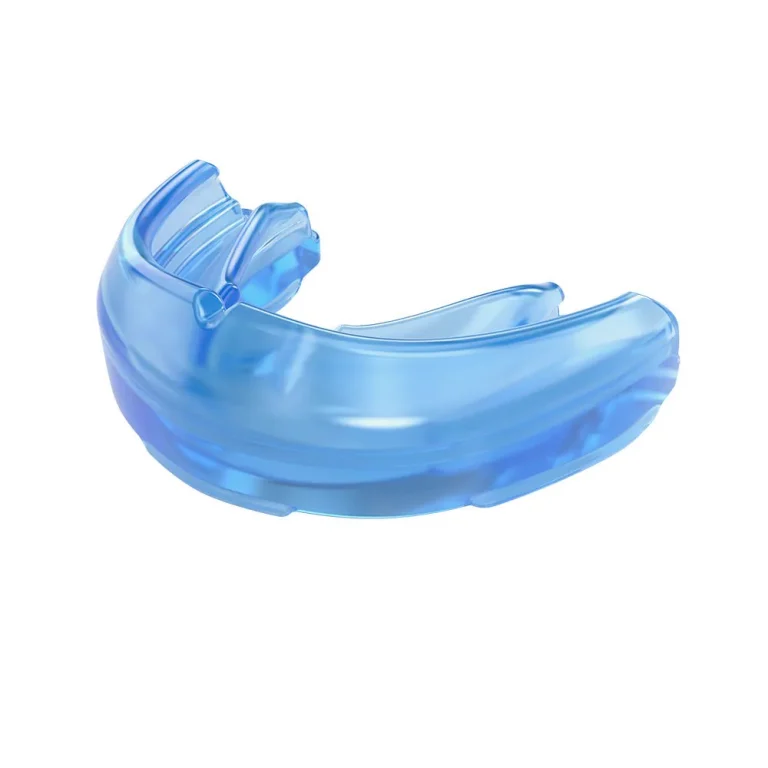
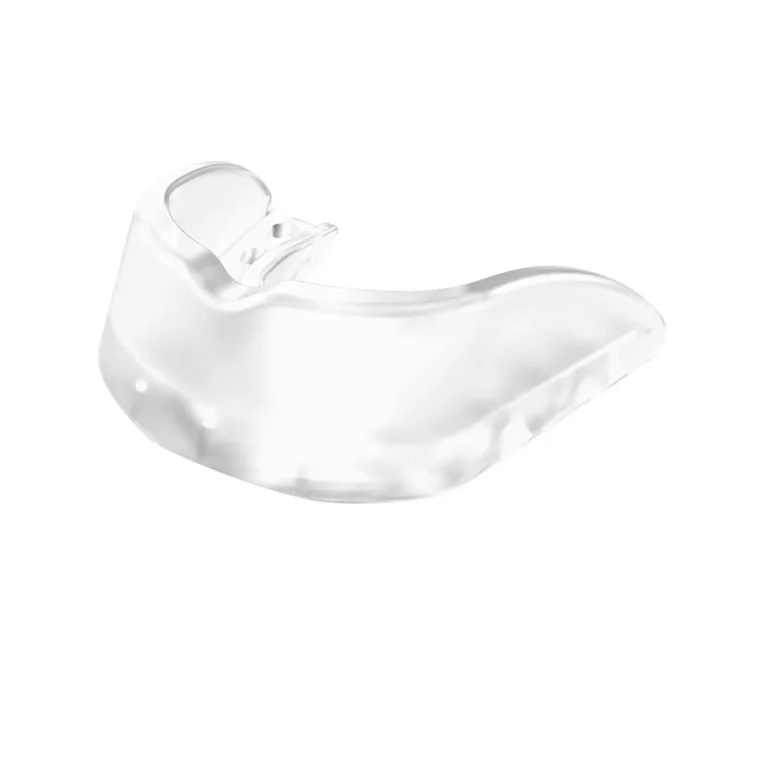
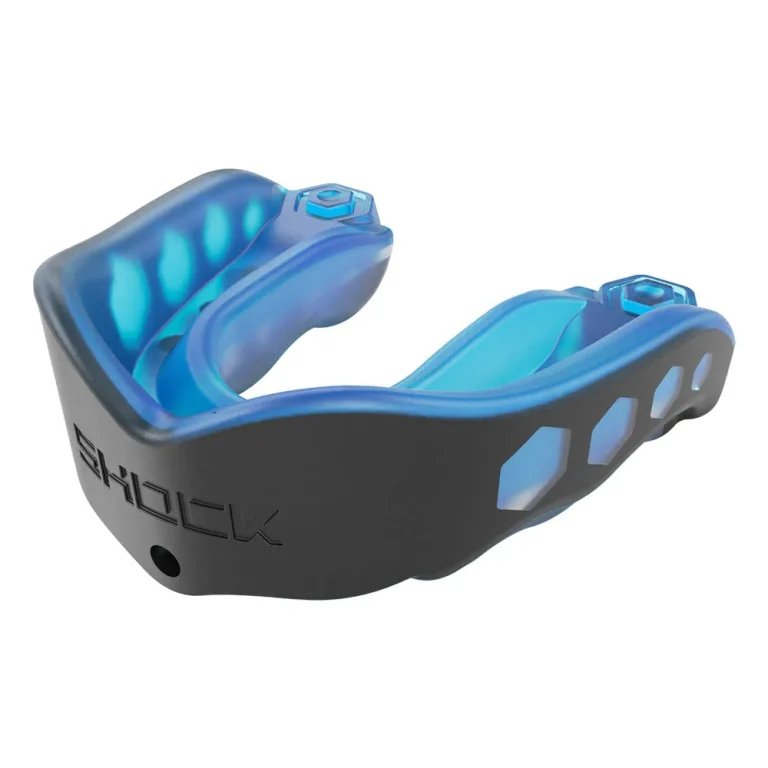
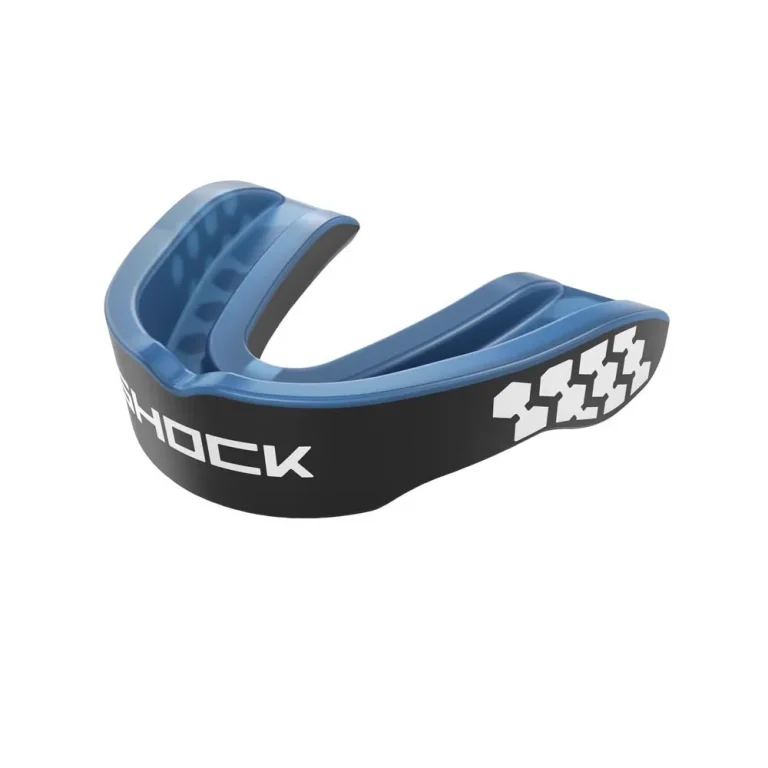
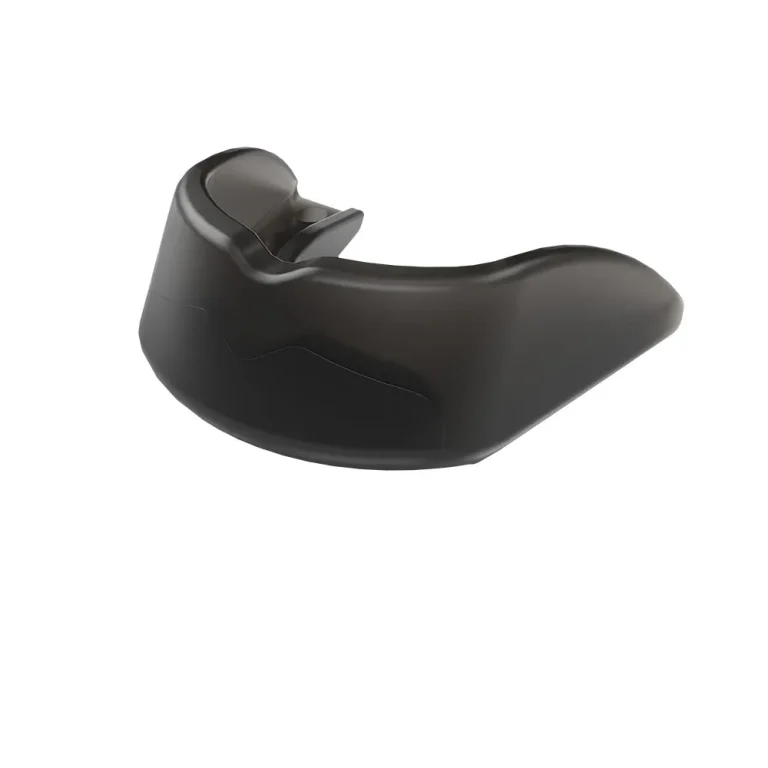
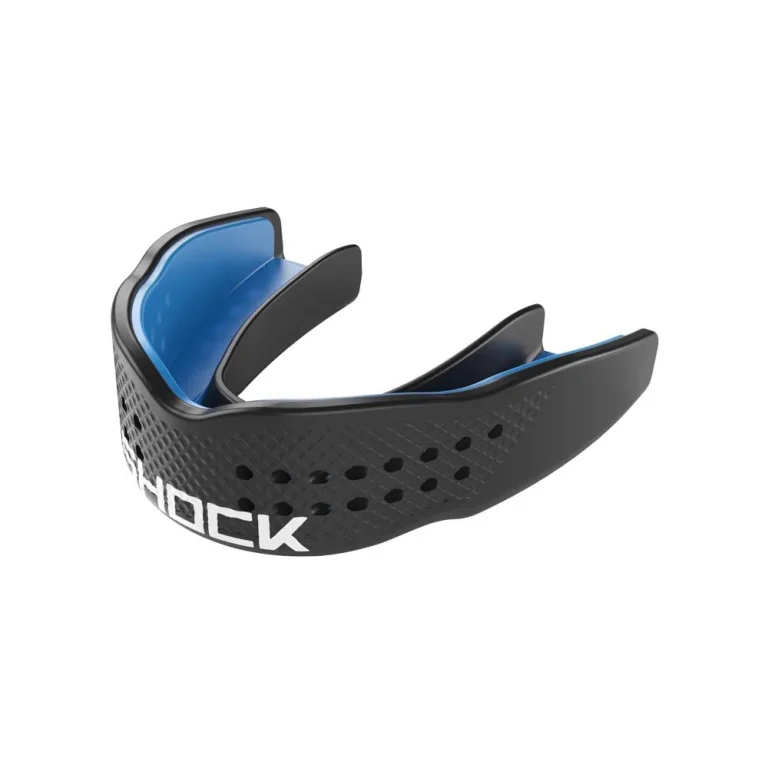
A football mouthguard is basic kit for every American football player, from first training session to senior league. It protects teeth and lips and helps absorb knocks transmitted to the jaw. This section features boil-and-bite models that you mould to your own teeth at home in a few minutes. It includes the Shock Doctor Gel Max, available in Youth (10 and under) and Adult (11 and over) sizes, and the Makura Tephra Max Convertible, a one-size senior guard for ages 11 and over that Makura, an Irish brand, states is CE marked. Both can be worn with or without a strap that clips to the helmet. Each product page shows the manufacturer's details and prices from European retailers.
 Buying guides
Flag football mouthguards: required or only recommended depending on your federation, the colour rule, the 1.25 cm limit and which models work without a tether.
 Buying guides
Moulding a football mouthguard: soaking times from the Shock Doctor and Makura instructions, the bite, the suction, cooling, and how to check the fit.
 Buying guides
Football mouthguards: what the IFAF rules demand, boil-and-bite or custom-made, playing with braces, which certifications exist and how to look after yours.
Even with a helmet and facemask, contact is constant in American football. A mouthguard protects teeth, lips and gums and spreads the force of knocks to the jaw. It is part of the basic kit: check what your league's rules require, but never take the field without one.
The most common option. You soften the guard in hot water, then bite into it so it takes the shape of your teeth. The Shock Doctor Gel Max and the Makura Tephra Max both work this way.
Made by a dentist from an impression, it gives the most precise fit and is often recommended for players wearing braces.
A strap tethers the guard to the facemask so it is not lost between plays. Convertible models let you remove the strap if you prefer to go without.
Follow the instructions to the letter: time in hot water, cooling time, and how to press with your tongue and lips. A well-moulded guard stays in place on its own without you having to clench. If the first attempt goes wrong, most boil-and-bite guards can be remoulded within the limits the manufacturer sets.
Rinse the guard in cold water after every use, brush it gently with mild soap and store it in a ventilated case. Keep it away from very hot water outside moulding and from direct sunlight, both of which can warp it. Replace it as soon as it is torn, bitten through or no longer fits snugly.
Soften it in hot water for the time stated by the manufacturer, place it in your mouth and bite while sucking out the air, then cool it in cold water. Follow your model's instructions exactly.
Follow the manufacturer's age bands. Shock Doctor's Gel Max Youth is for players aged 10 and under, and the Adult size for 11 and over.
It is not essential, but it stops you losing the guard. Convertible models such as the Gel Max and Tephra Max can be worn with or without the strap.