REF · 060330060802
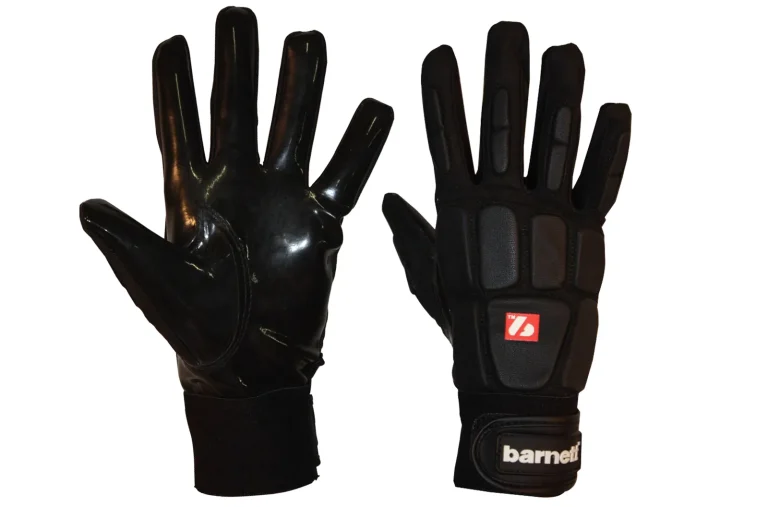
The tight end is both a blocker, lined up at the end of the offensive line, and a receiver able to catch passes over the middle. That dual role shapes his kit: he has to absorb the contact a lineman takes while keeping the mobility and hands of a receiver. His shoulder pads usually offer more coverage than a receiver's, typically all-purpose, or even lineman pads for a blocking-first player. His facemask has more bars than a receiver's, and his gloves are all-purpose: a grippy palm for catches and a reinforced back for blocking. His cleats need to provide the stability to drive defenders back as well as the traction to run routes. Few positions demand such a balanced set-up.
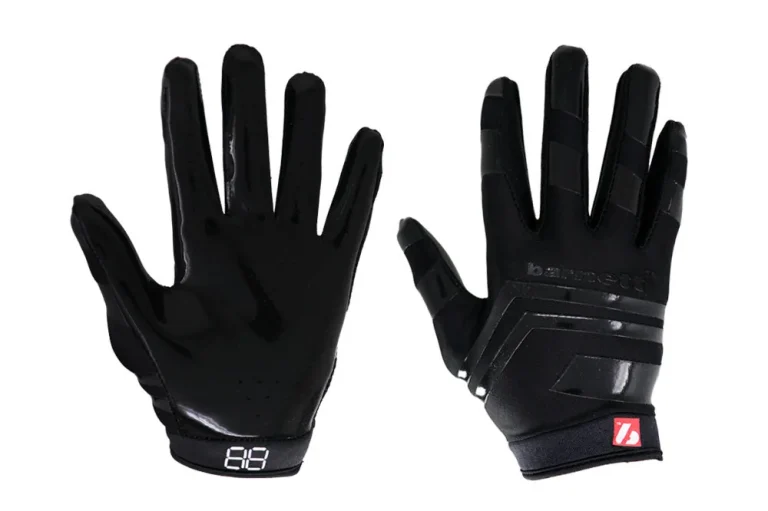
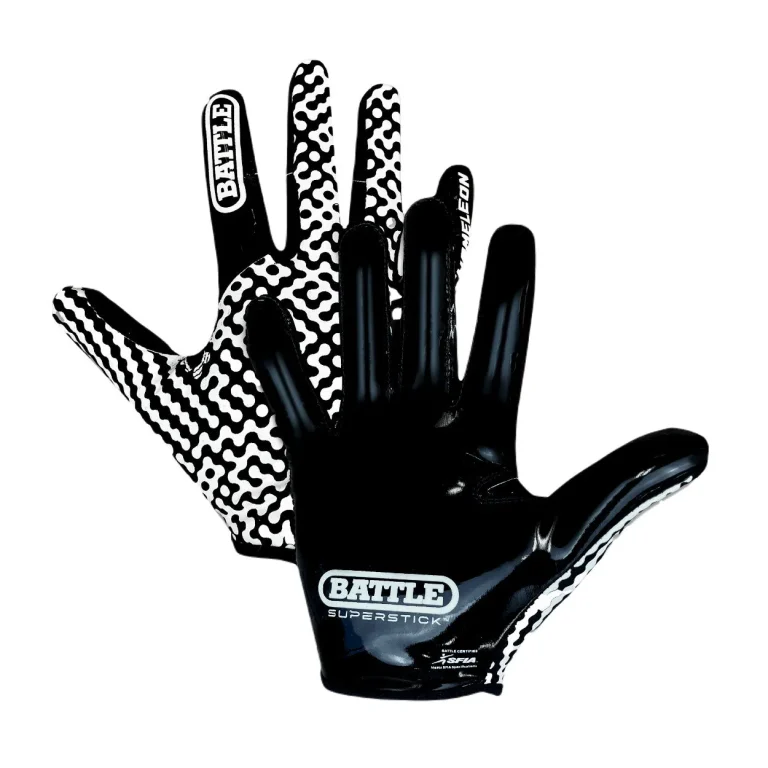
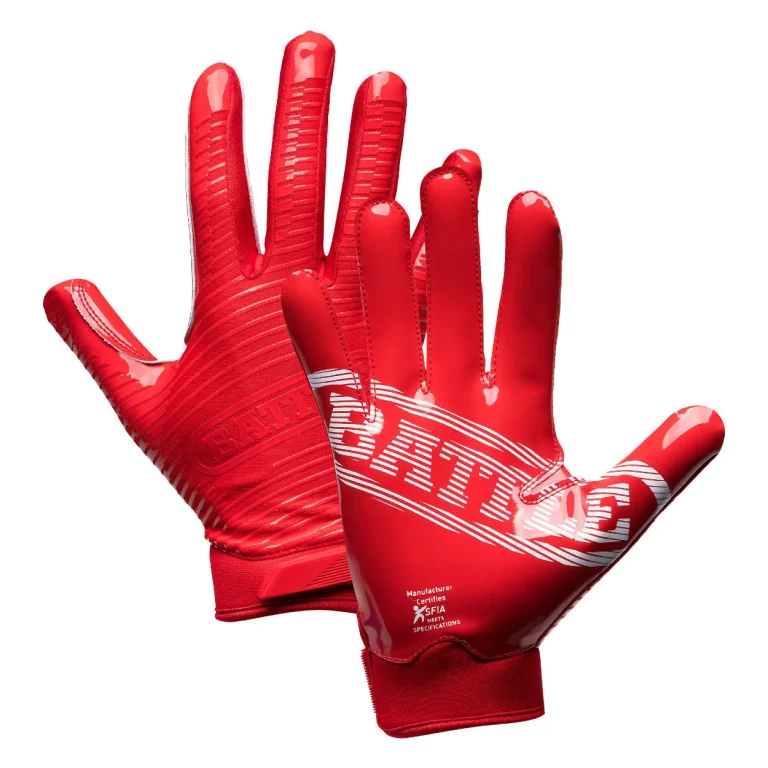
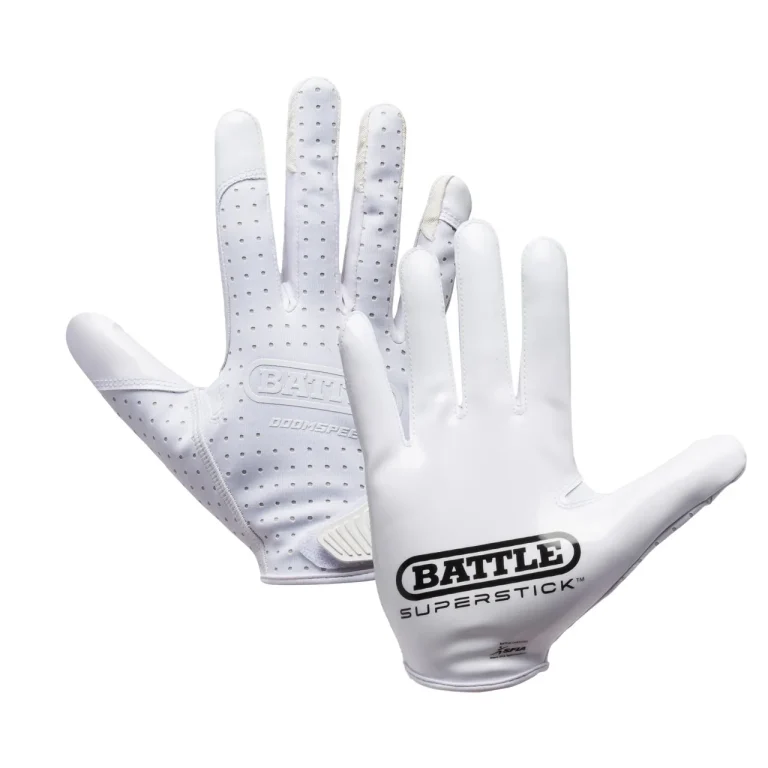
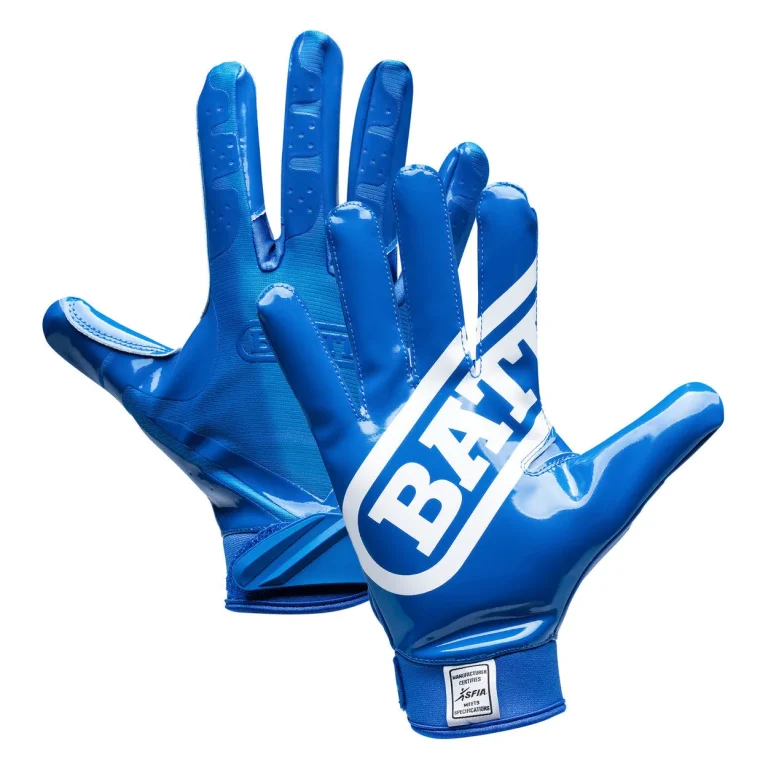
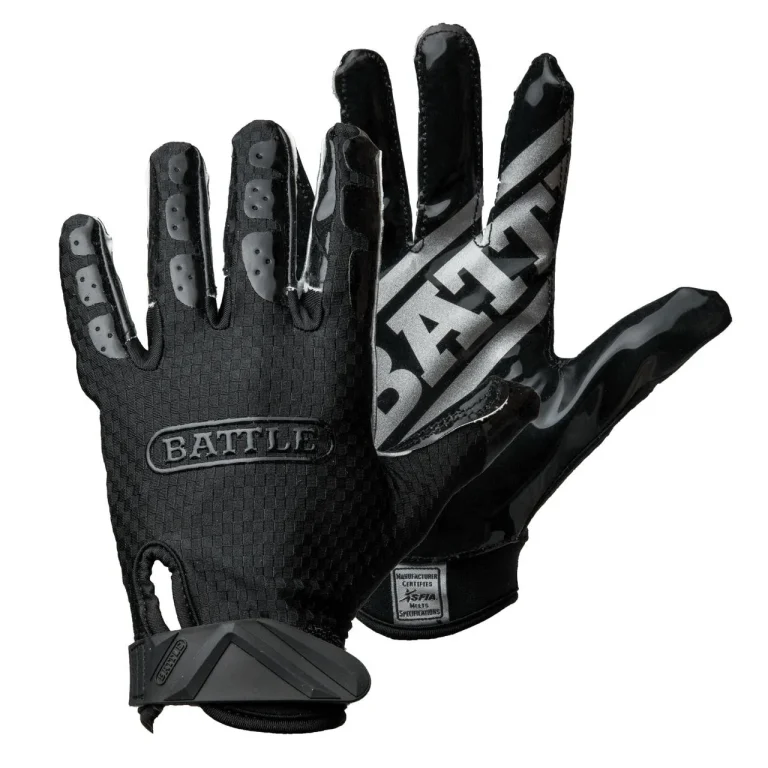
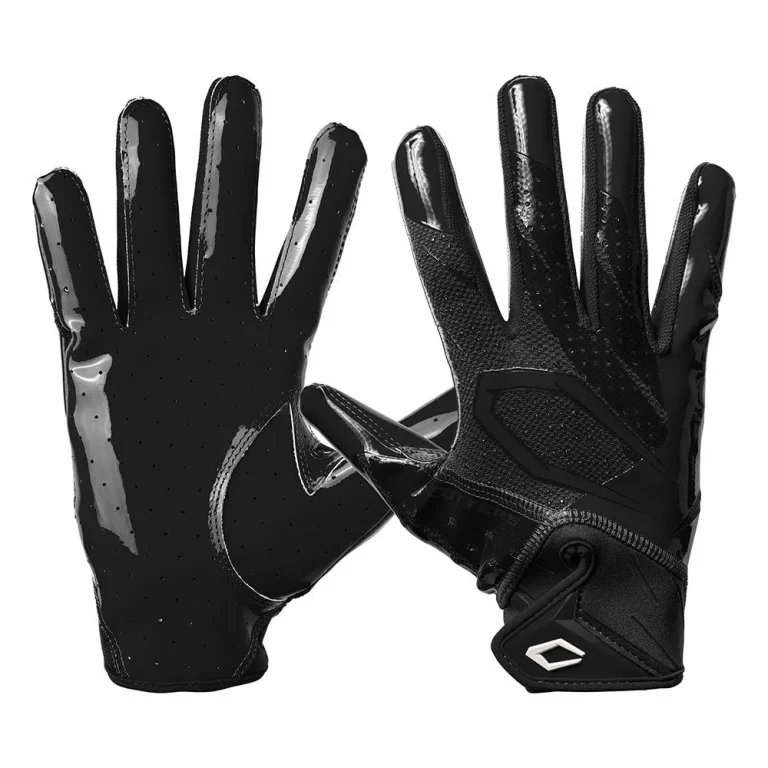
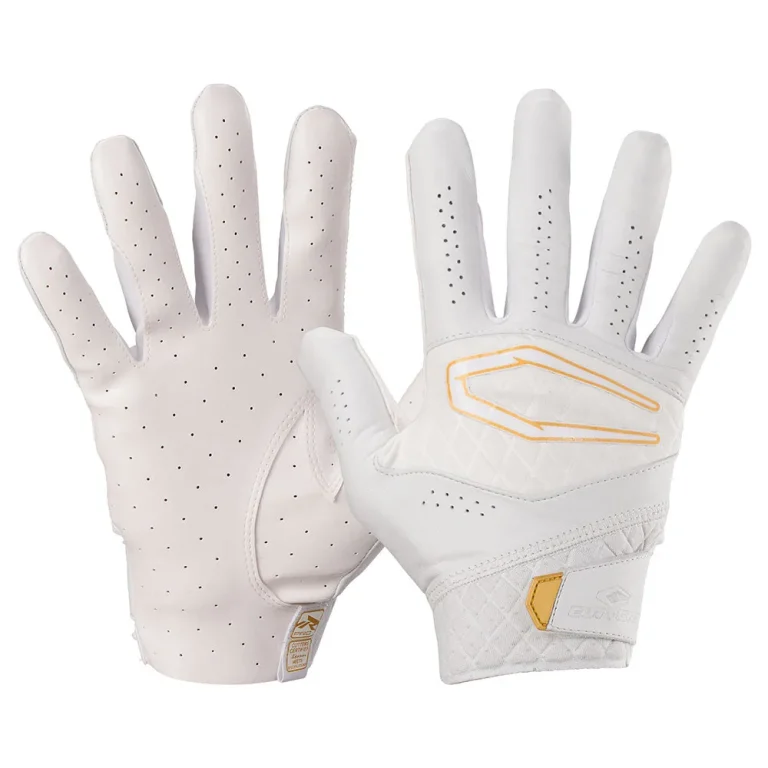
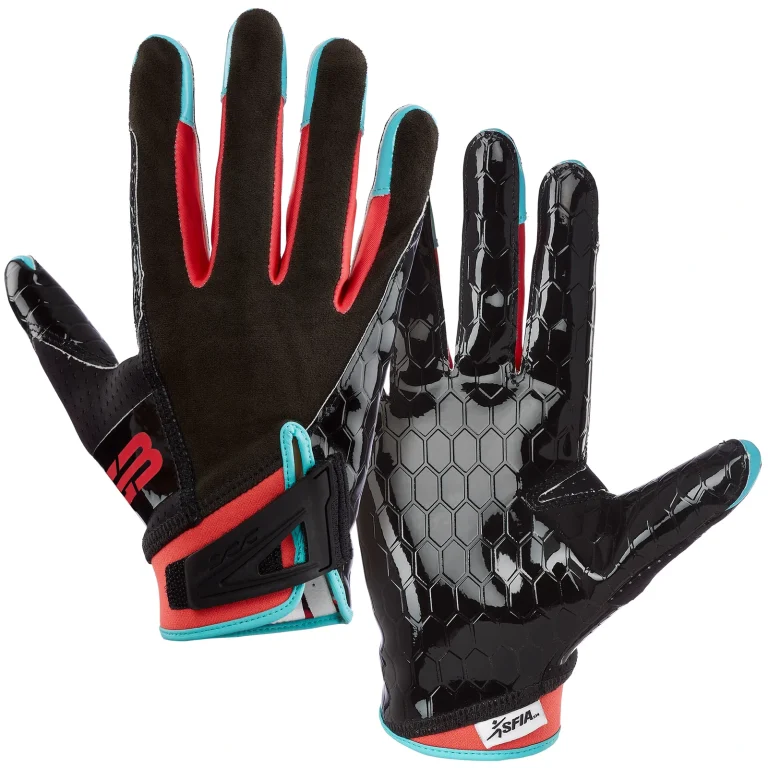
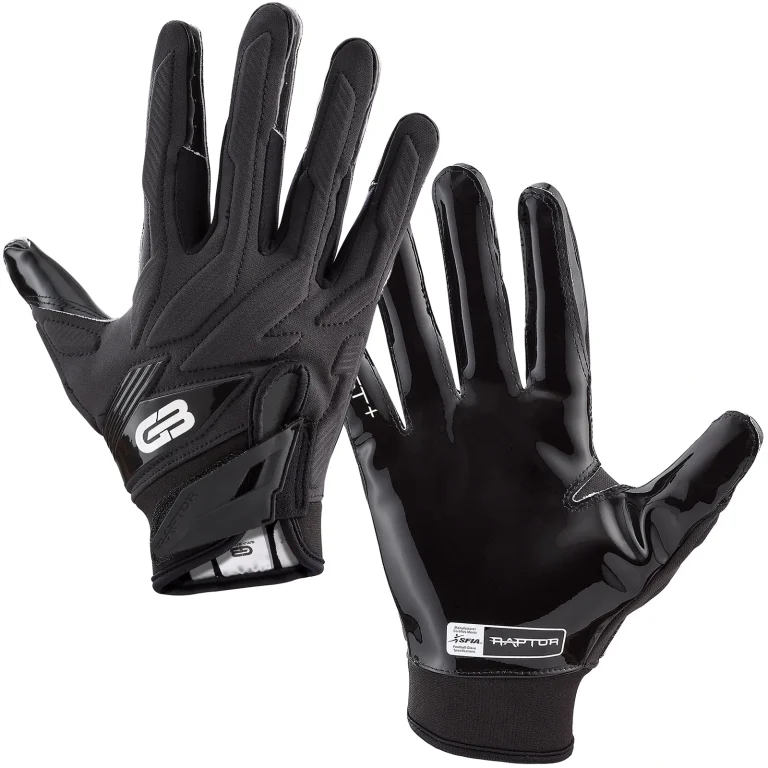
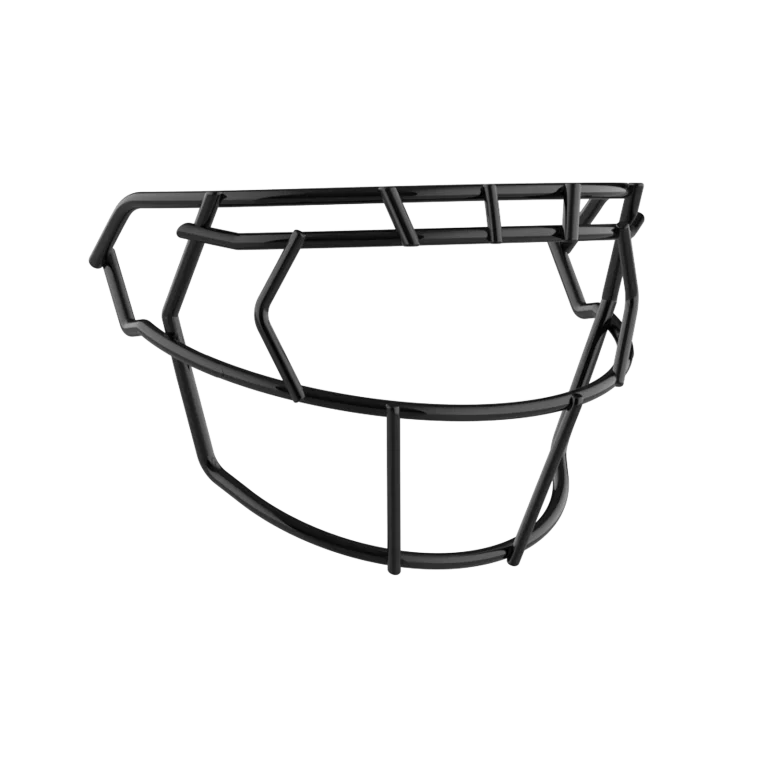
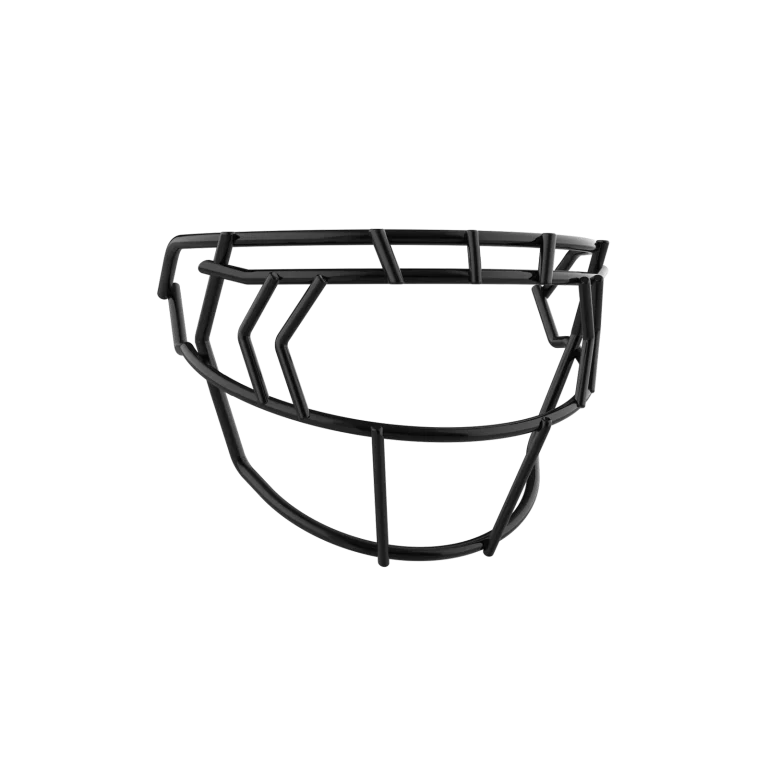
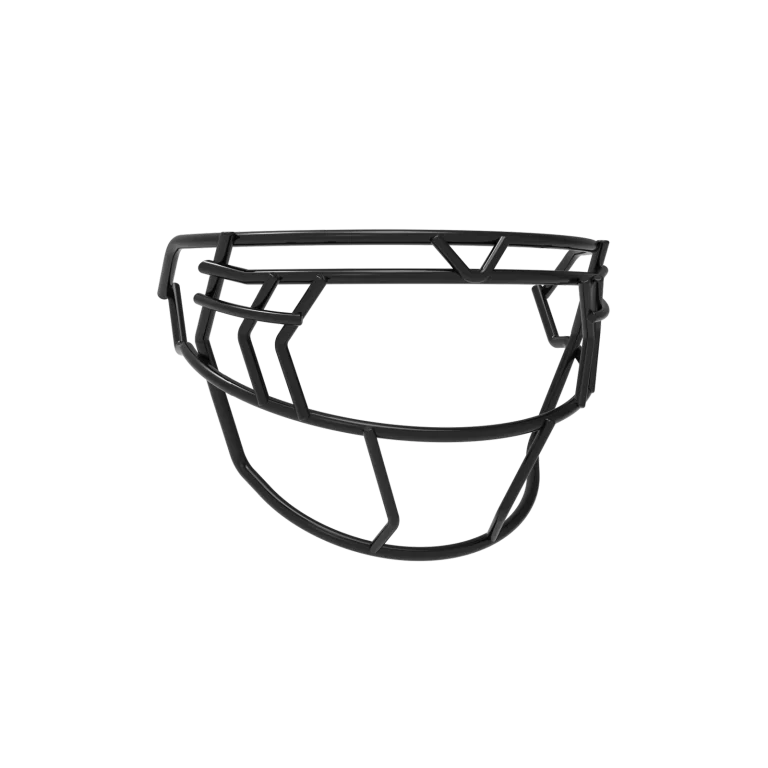
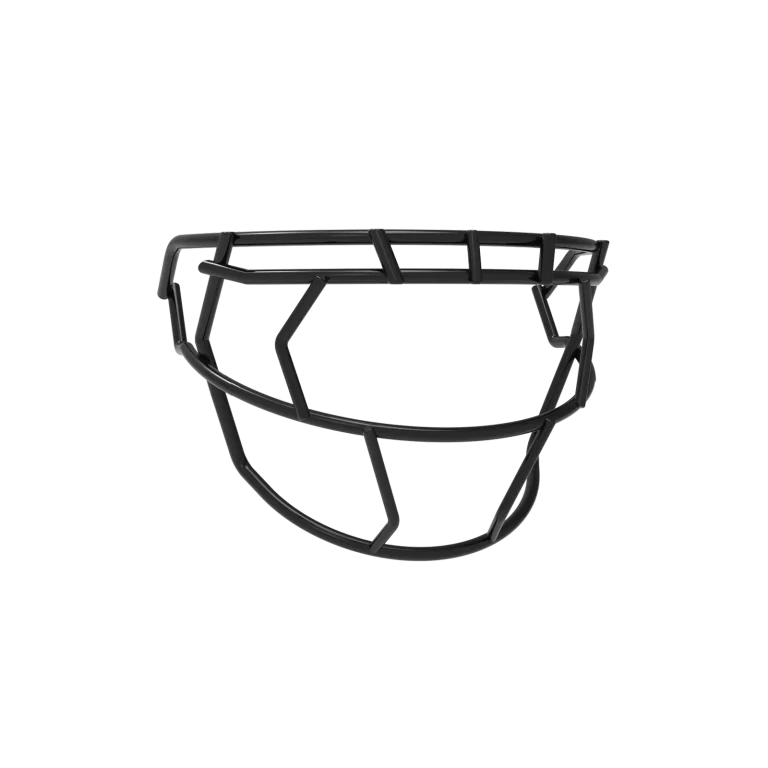
Depending on the play, the tight end blocks a defensive end, runs a route or stays in to protect his quarterback. The goal is to strike a balance between a lineman's equipment and a receiver's, according to his build and his team's system.
All-purpose football shoulder pads are a common choice: more coverage than skill pads without the bulk of lineman models. A tight end used mainly as a blocker may opt for lineman pads instead. That is the case with the VICIS ARC_V1 Varsity Trench in our catalogue, listed for tight ends as well as linemen.
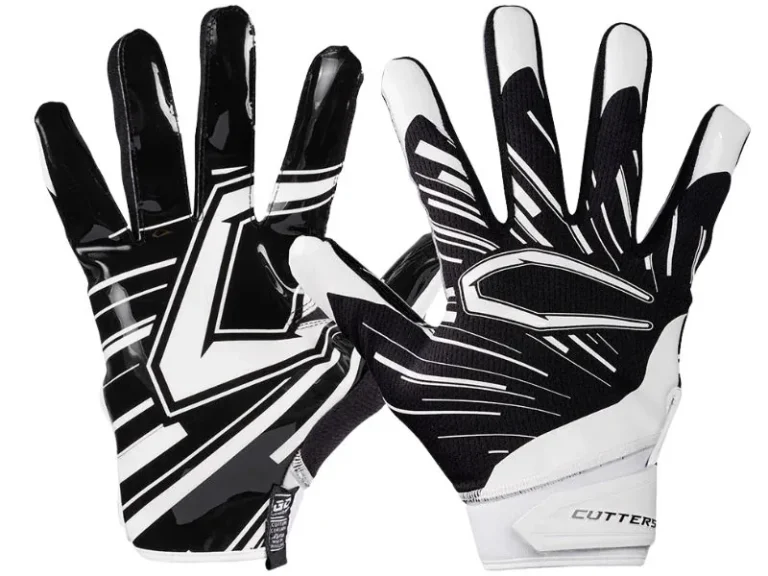
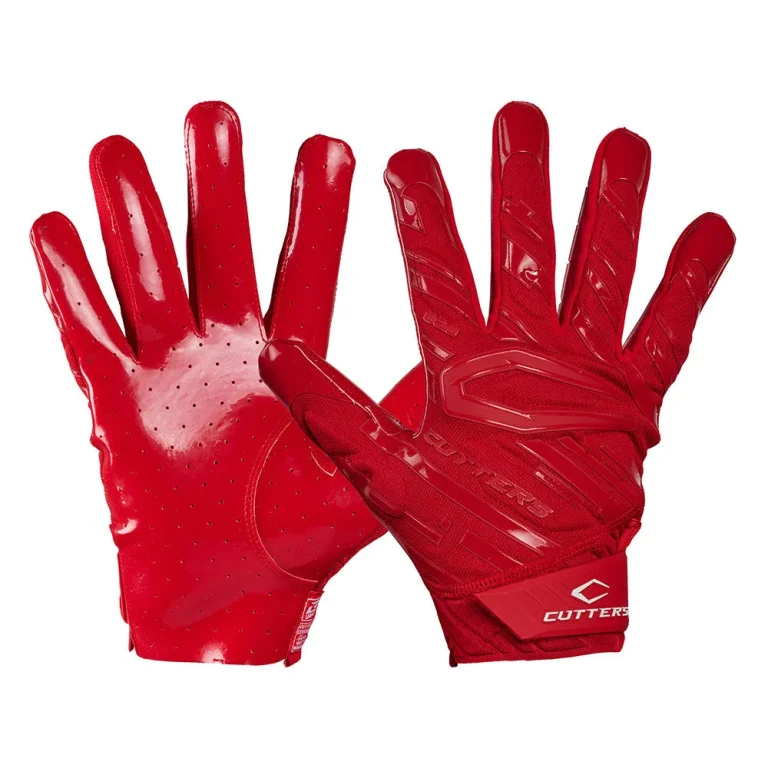
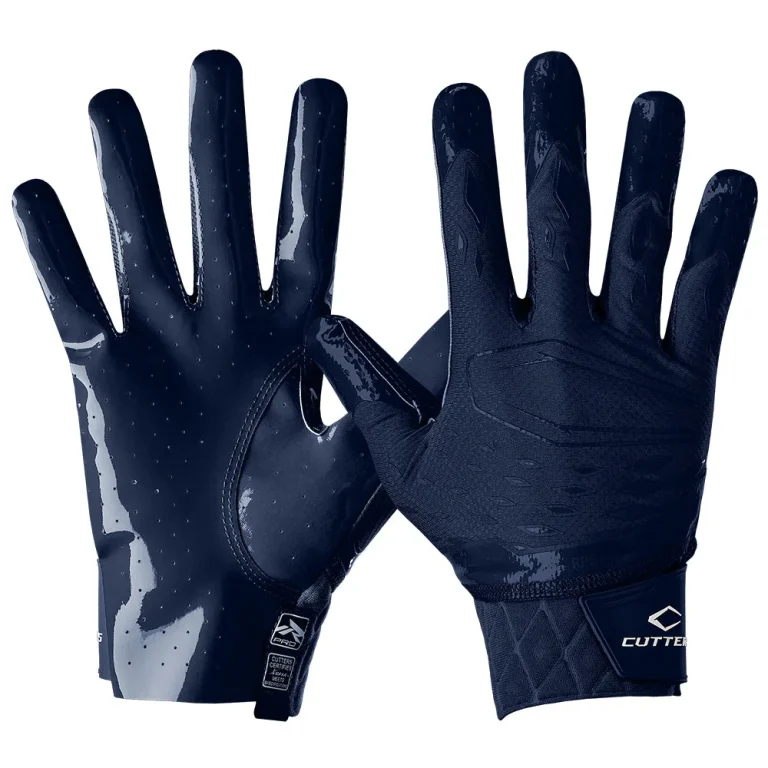
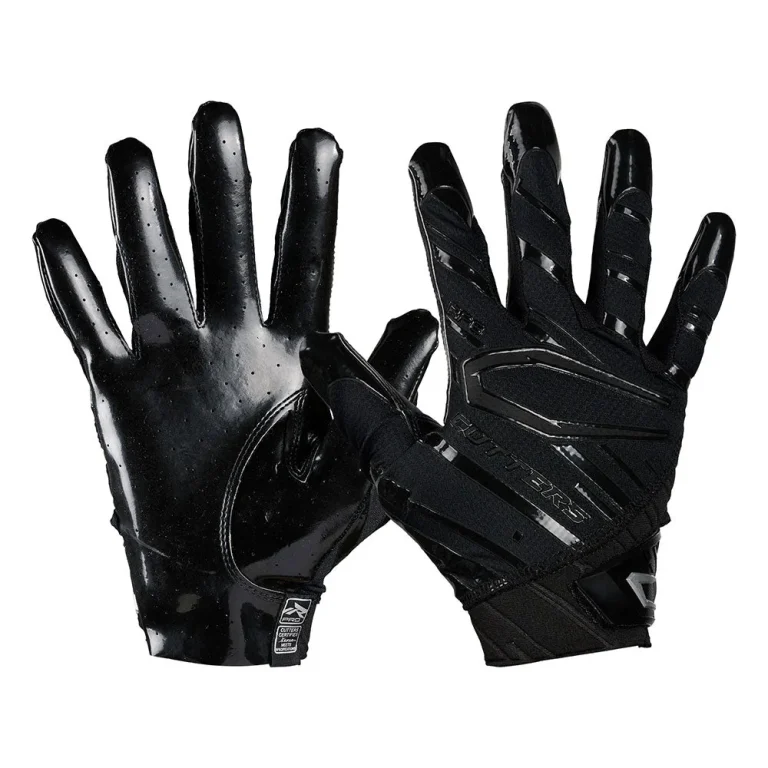
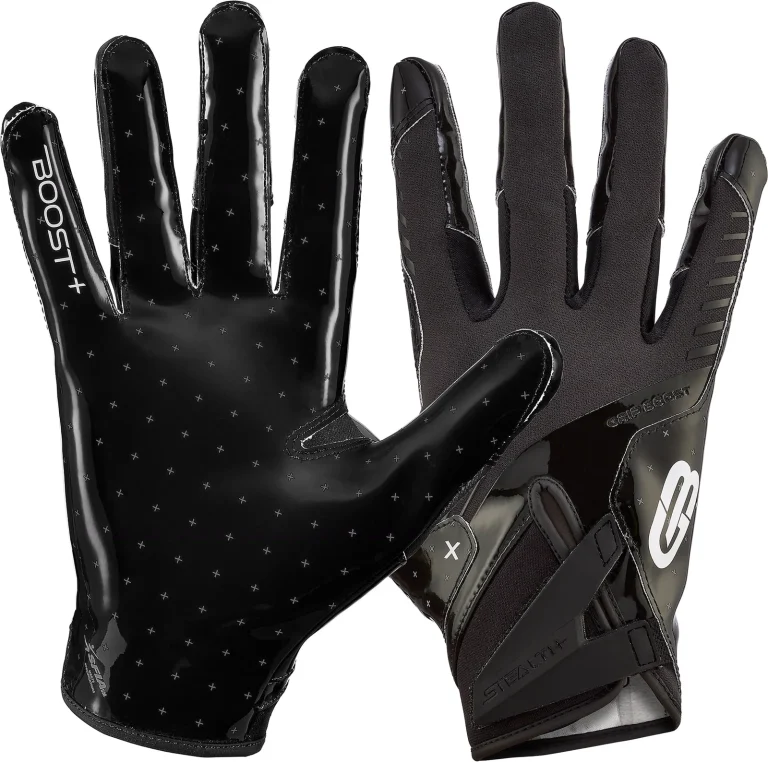
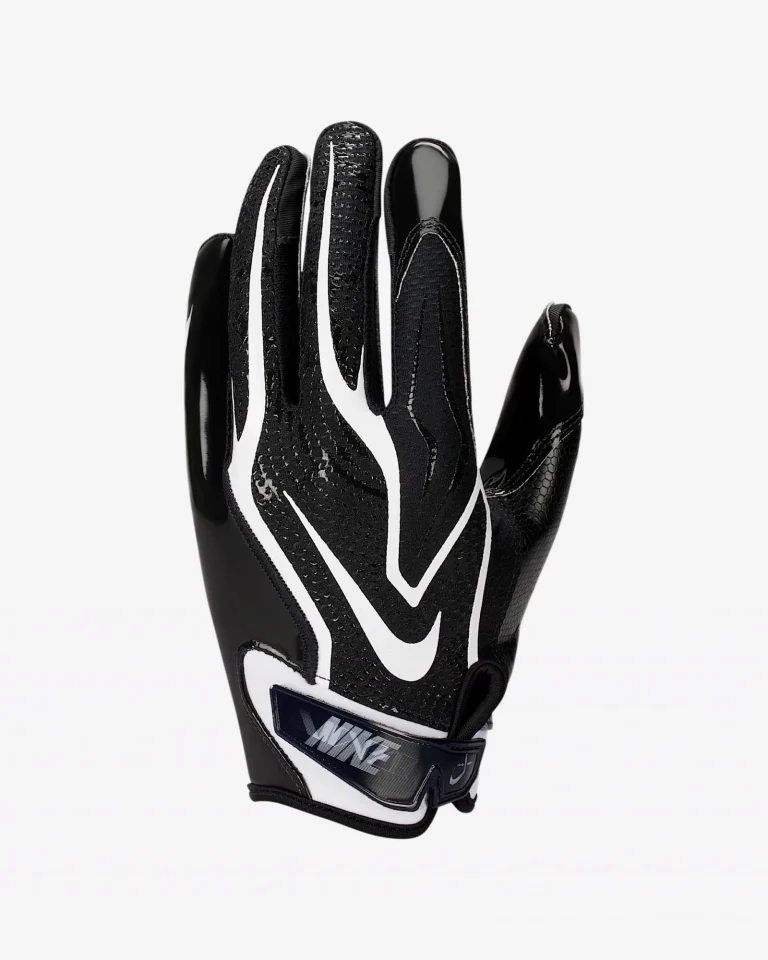
A tight end needs all-purpose football gloves: a tacky palm to catch the ball, and a slightly more reinforced back and fingers to handle blocking. The Grip Boost Raptor 2.0 is listed for this position.
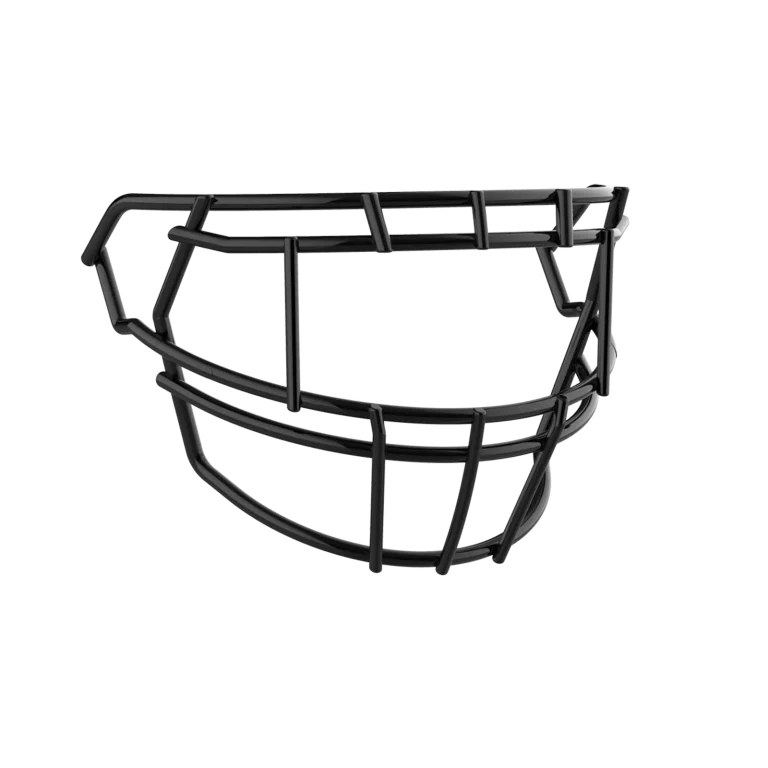
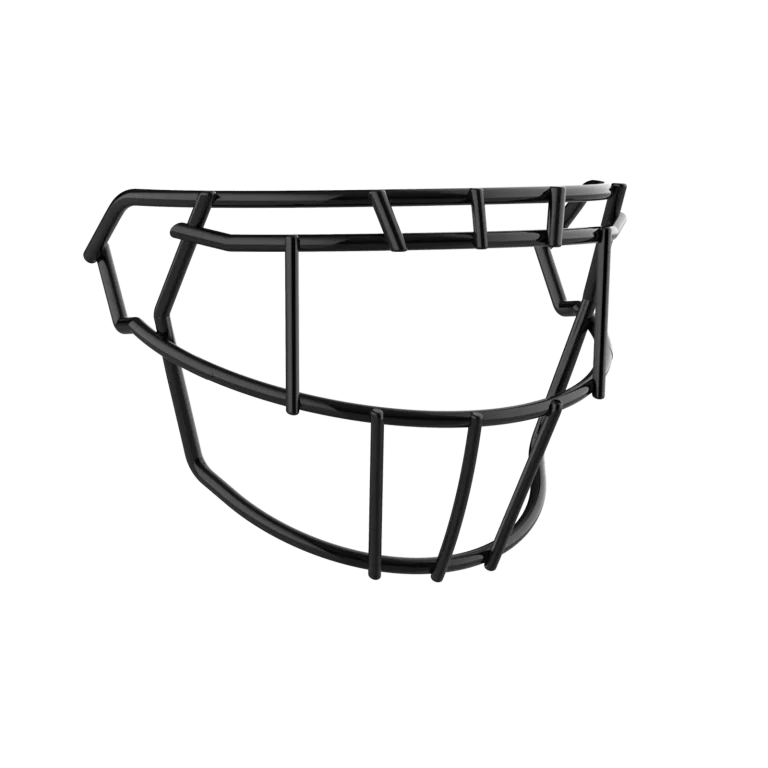
Size and fit come first. As for the facemask, tight ends often settle on a mid-range design, with more bars than a receiver's for close-quarters contact at the end of the line, while keeping good vision to track the ball.
He needs football cleats that can cope with the drive of a block yet stay light enough to run in. A mid-cut is often a sensible compromise between ankle support and freedom of movement.
There is no single type of tight end, so the kit should follow the player's actual role in his team:
If his role changes during the season, gloves and facemask are the easiest items to adapt.
All-purpose shoulder pads suit most tight ends. A player used mainly as a blocker may choose lineman pads, which offer more coverage at the cost of some mobility.
All-purpose gloves that combine a grippy palm for catching with a more reinforced back for blocking. A very thin receiver glove wears faster and protects less during repeated contact.
A mid-range facemask is the most frequent choice: more closed than a receiver's for contact at the end of the line, more open than a lineman's so he can follow the ball.