REF · 060430050802
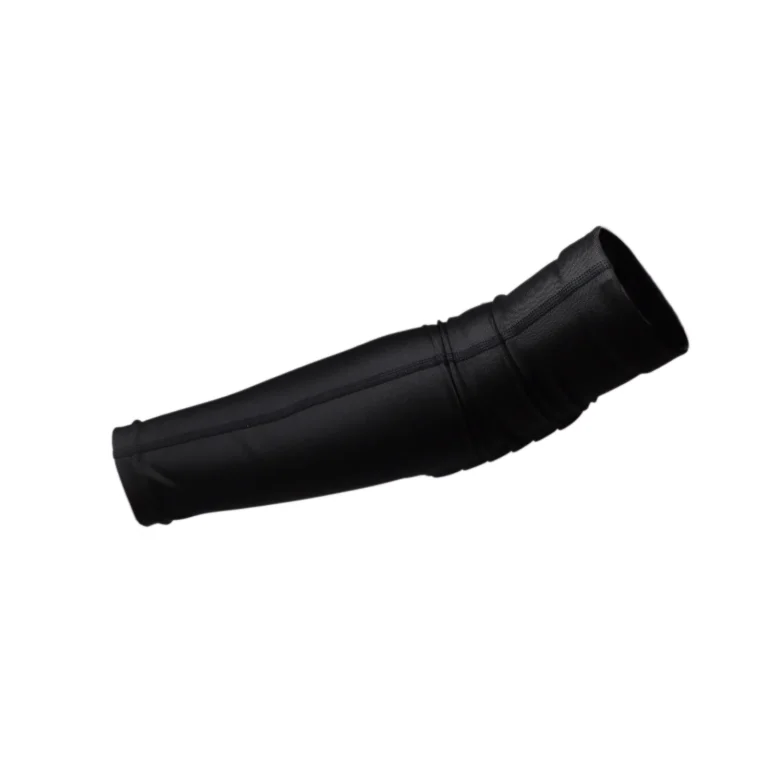
Football knee pads and elbow pads round off your protective kit, cushioning the knocks and scrapes that come with tackles, falls and life on artificial turf. In American football, knee pads usually slot into pockets in your match trousers, while elbow pads and padded sleeves are worn directly on the arm. This section does not list any products yet, because we only publish a product page once its details have been checked against the manufacturer's information. In the meantime, this guide explains the different formats, how to get the size right, which positions benefit most and how to look after your pads. Linemen, who start every play close to the ground and fight with their arms, are usually the first to invest.
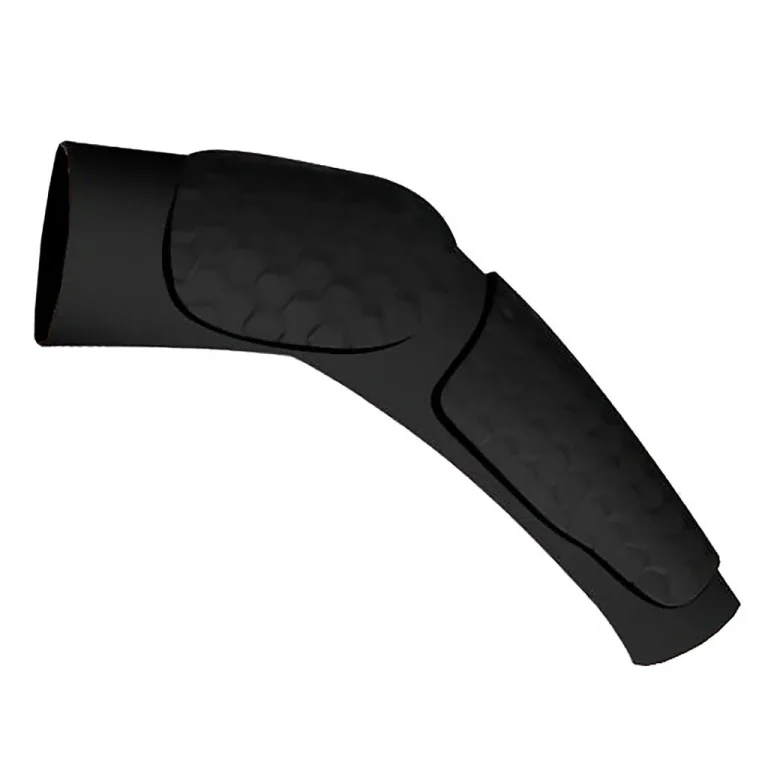
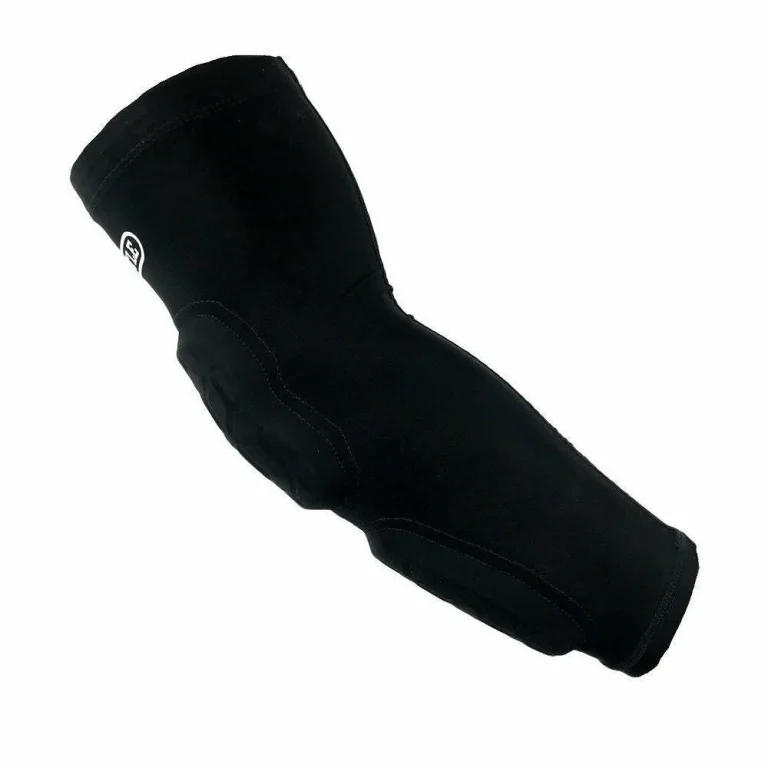
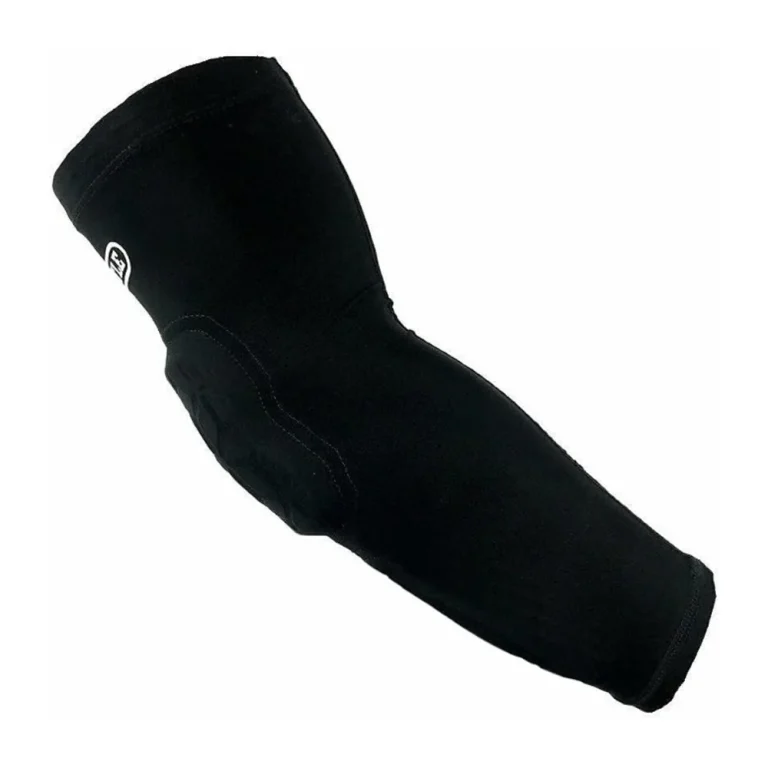
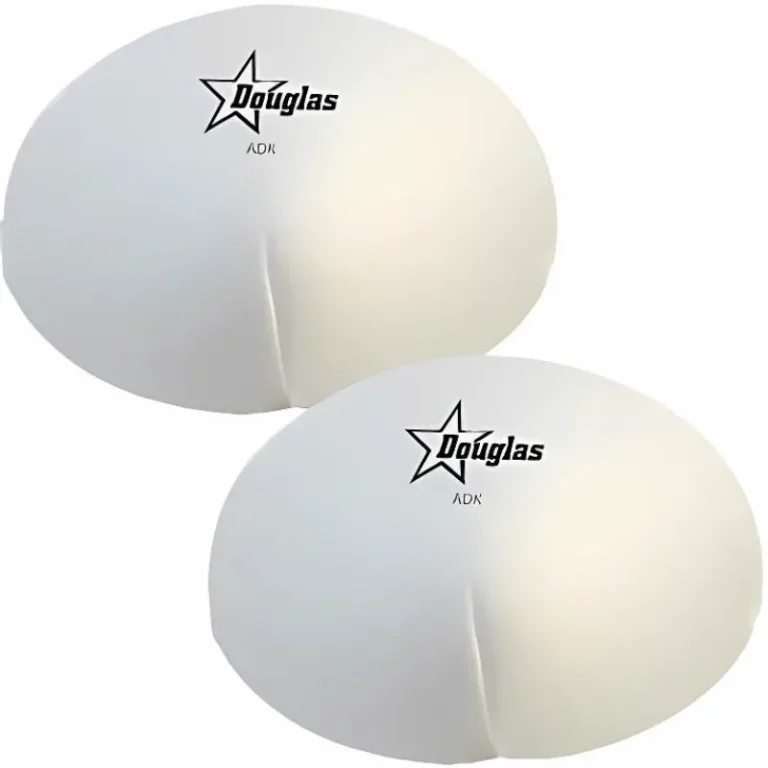
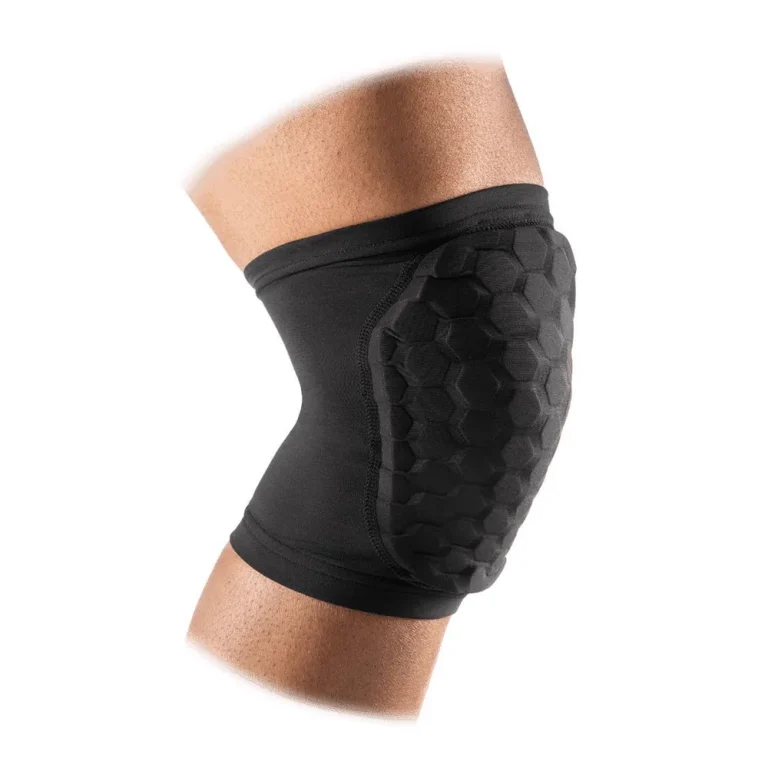
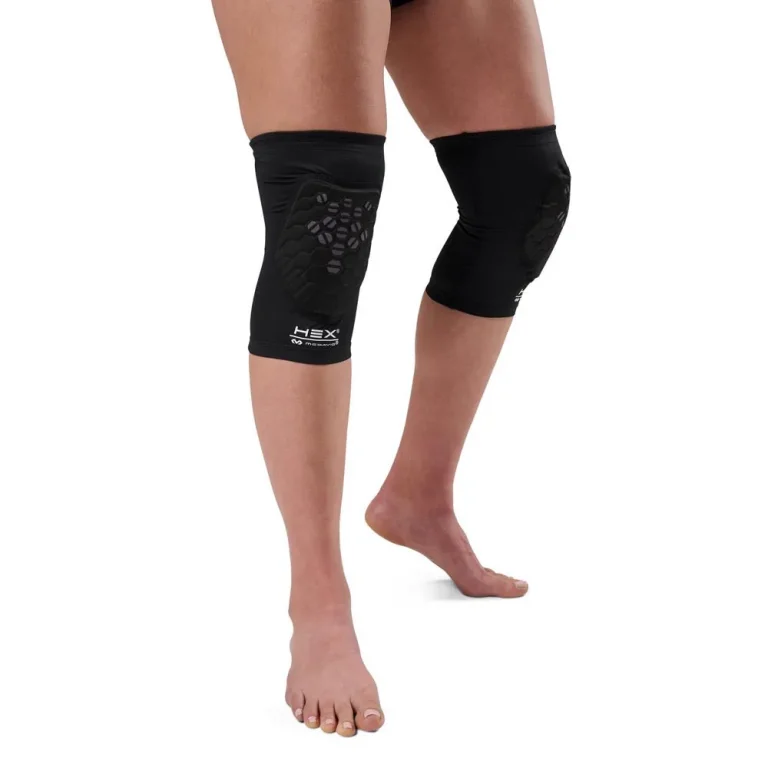
Knees and elbows regularly hit the ground, the turf or an opponent's equipment. Padded protection cushions impacts and helps prevent the burns and grazes that come with artificial pitches. These are impact pads, not braces: if you have a ligament problem, seek advice from a medical professional.
Most American football trousers have pockets at the knee. You slide in flat or slightly curved pads. Make sure their shape and size match the pockets in your trousers.
An elastic sleeve with foam over the kneecap. It stays in place even if your trousers ride up, and works well for training without match trousers or for flag football.
Linemen start each play in a stance near the ground and fight with extended arms, so elbow protection is common among them. Linebackers and running backs also frequently use knee pads and padded sleeves. Faster positions tend to prefer thin protection that does not affect their running. Flag football players, who play without full pads, often choose light sleeves for training on artificial grass.
For a sleeve, measure around the leg or arm where the manufacturer's chart tells you to, usually just above or below the joint. The pad should stay in place without slipping or cutting off circulation. For slot-in pads, go by the size of your trousers.
Wash textile sleeves according to the label, preferably at a low temperature, and let them air-dry. Wipe hard shells with soapy water. Replace any pad whose foam has flattened or whose stitching has come loose.
Usually in the knee pockets of your match trousers. Padded sleeves worn directly on the leg are another option.
Yes. Linemen are in contact with the ground and opponents on every play, and an elbow pad or padded sleeve reduces knocks and turf burn.
No. Padded knee pads protect against impact; for a ligament injury, ask a medical professional for advice.