REF · 060120012319
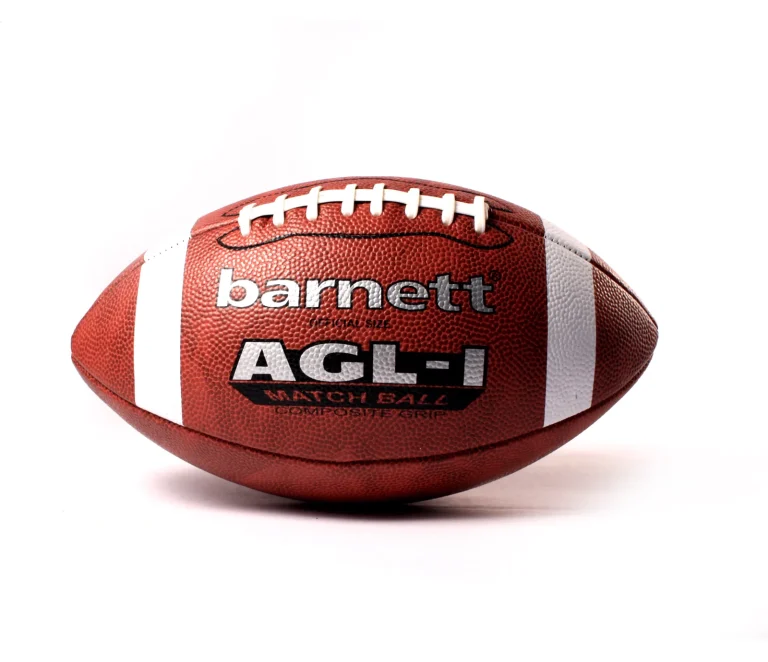
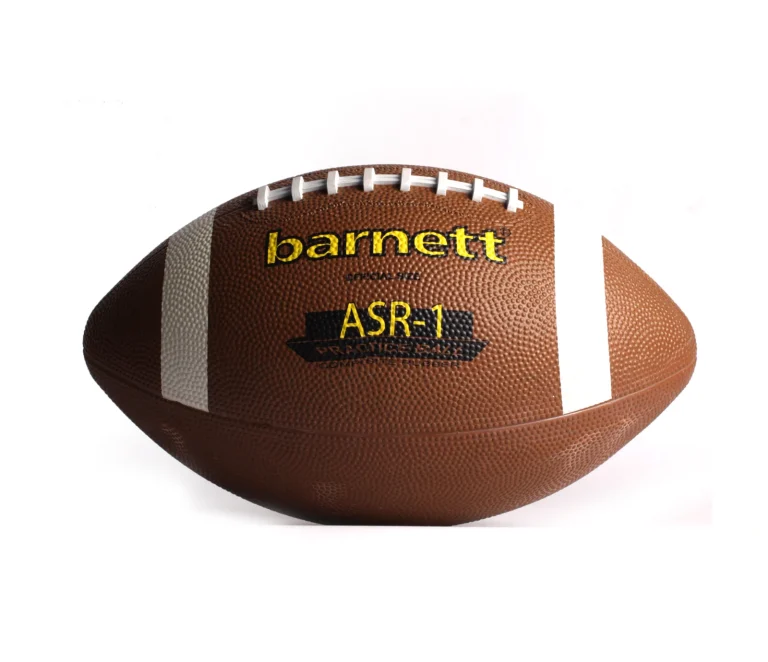
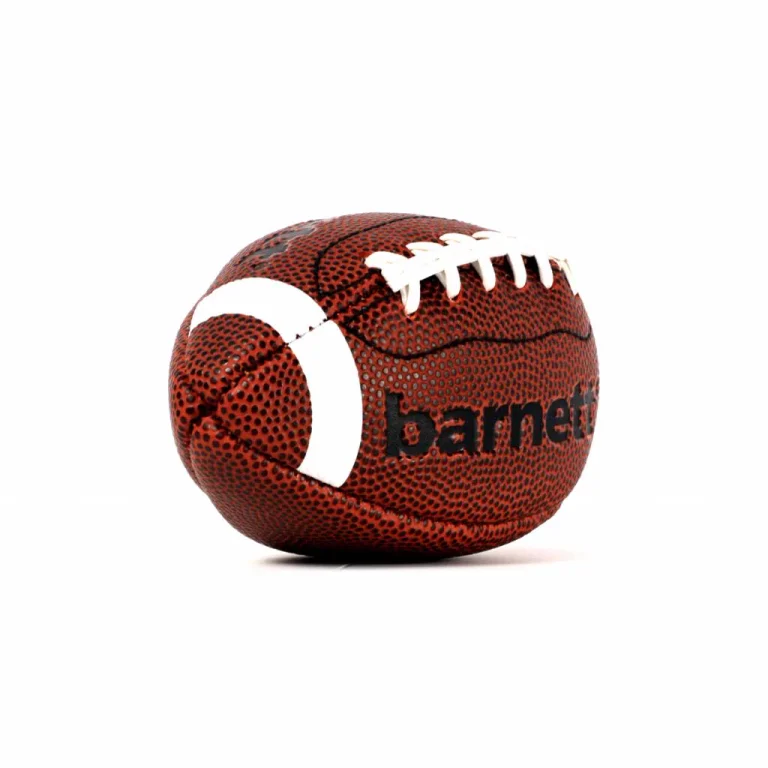
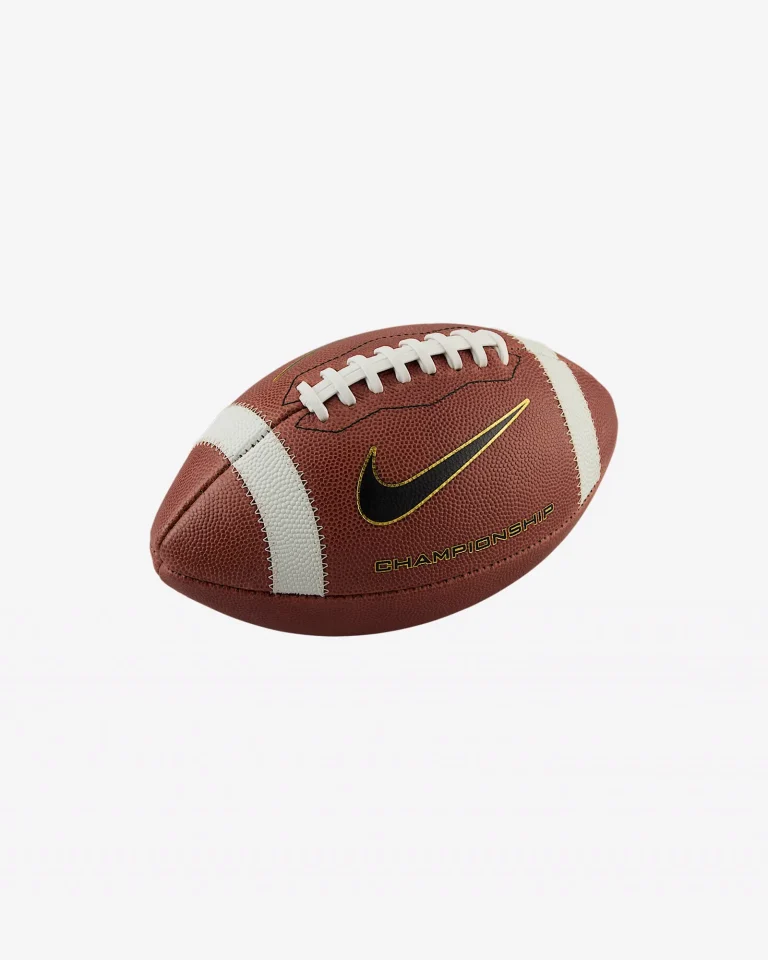
Choosing an American football ball starts with picking the right size for the player's age, then the right material for how it will be used: games, training or casual throwing in the park. This section brings together footballs from Wilson and Nike, from leather game balls to hard-wearing composite models, including youth sizes. For each one, we list the information published by the manufacturer: size, cover, laces, stripes and any stated approval for official play. Prices come from European retailers, in euros and dated, so offers are easy to compare. A leather game ball needs breaking in and a little care, while a composite ball copes better with rain and repeated sessions. The advice below will help you find a ball that suits the way you actually play.
 Buying guides
How much psi a football needs, who checks it before kick-off, and how Wilson says to break in and look after a leather ball season after season.
 Buying guides
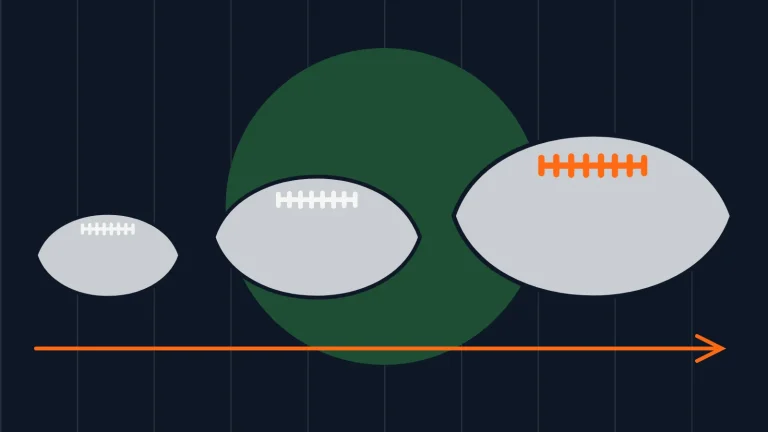
Pee wee, junior, youth or official: football sizes by age, the exact dimensions the IFAF rulebooks set for each one, and the balls sold in Europe.
 Rules of the game
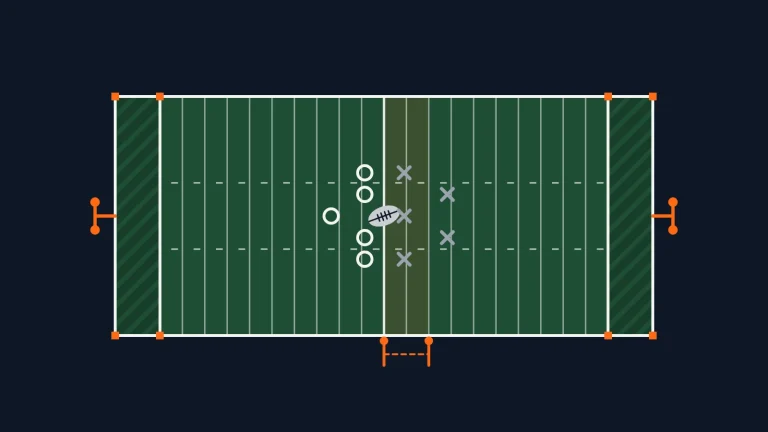
American football rules from the IFAF rule book: the pitch, eleven players, four downs, the clock, scoring, penalties and the kit every player must wear.
Manufacturers make their footballs in several sizes. Wilson, for example, recommends the official size for players aged 14 and over, Youth for ages 12–14, Junior for ages 9–12 and Pee Wee for ages 6–9. Other brands use different naming, so always check the manufacturer's guide. A youth football ball that fits a child's hand makes gripping and learning to throw a spiral far easier.
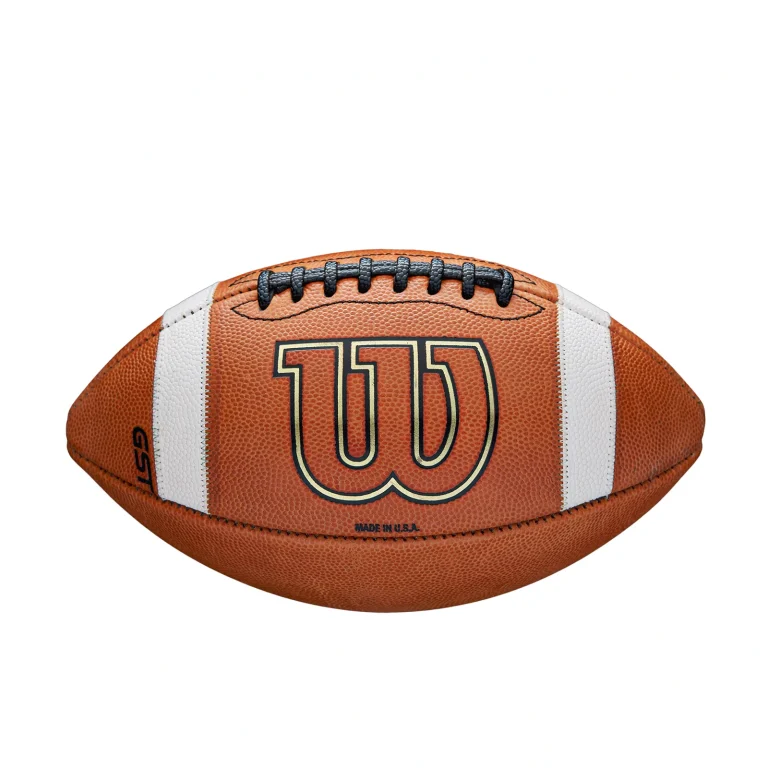
In the United States, college and high school footballs are not identical to NFL balls: Wilson states, for instance, that its GST ball is slightly smaller than the NFL ball. College-style balls often carry white stripes near the ends, which help receivers pick up the rotation. For a club in the UK or Ireland, the rules of your competition come first, so check them before buying a set of official footballs.
A new leather football is often slippery. Handle and throw it as much as you can, and follow the manufacturer's advice on preparing it. Inflate it to the pressure printed on the ball, using a slightly moistened needle so you do not damage the valve, and check the pressure regularly.
Wipe the ball down after every session, let it dry at room temperature if it has been rained on, and store it away from heat and direct sunlight. A leather ball left damp will lose its shape and harden.
For a club, keeping a bag of composite balls for training and saving the leather balls for match day helps them last much longer. For a kickabout with family or friends in the park or on the beach, a composite ball in the right size is all you need.
Wilson recommends Pee Wee for ages 6–9, Junior for 9–12 and Youth for 12–14, with the official size for 14 and over. Check each brand's own guide.
Leather gives the best feel in games once broken in. Composite is tougher, handles rain better and suits training and casual play.
No. Wilson, for example, states that its GST ball, made for high school and college play, is slightly smaller than the NFL ball.
Inflate it to the pressure printed on the ball or in the manufacturer's instructions. Moisten the needle slightly before inserting it to protect the valve.