REF · 26AC000
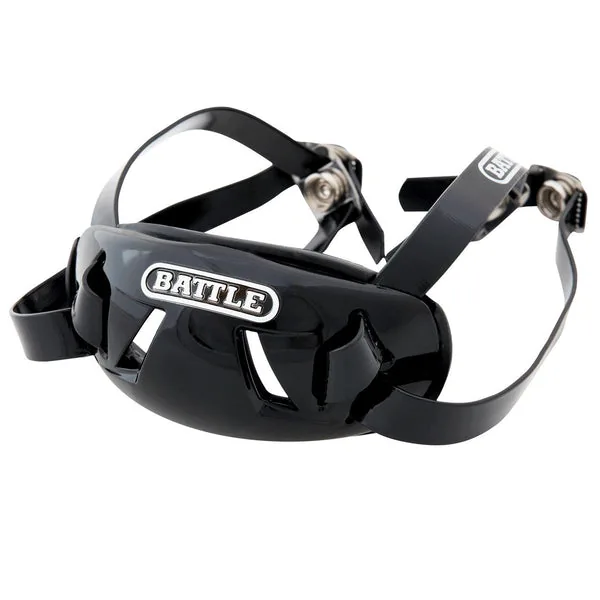
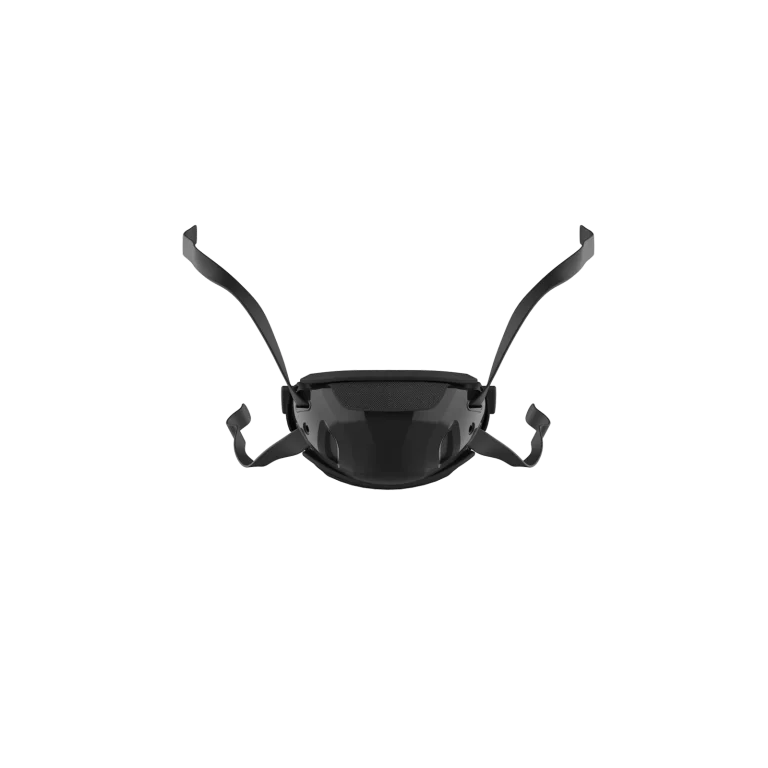
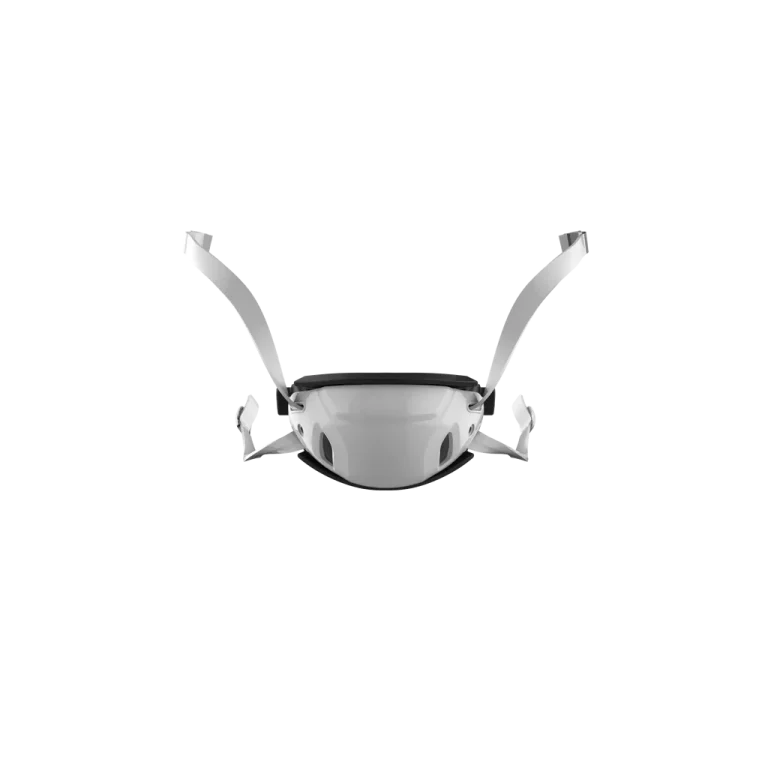
A football chin strap keeps the helmet locked in place through every collision; without a secure strap, even a perfectly fitted helmet loses much of its protection. This section covers chin straps and small helmet accessories: chin cups, straps, snaps and replacement parts. No products are listed yet, as we only publish a product page after checking the manufacturer's information. Meanwhile, the guide below covers what you need to choose well: hard-cup versus soft-cup designs, compatibility with your helmet, how to adjust the strap correctly and how to look after it. Chin straps are inexpensive wear parts compared with the helmet itself, so replacing one at the first sign of damage is a habit worth getting into.
 Buying guides
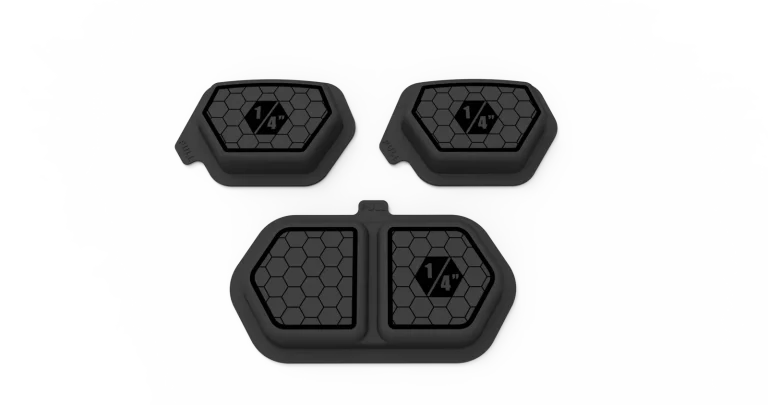
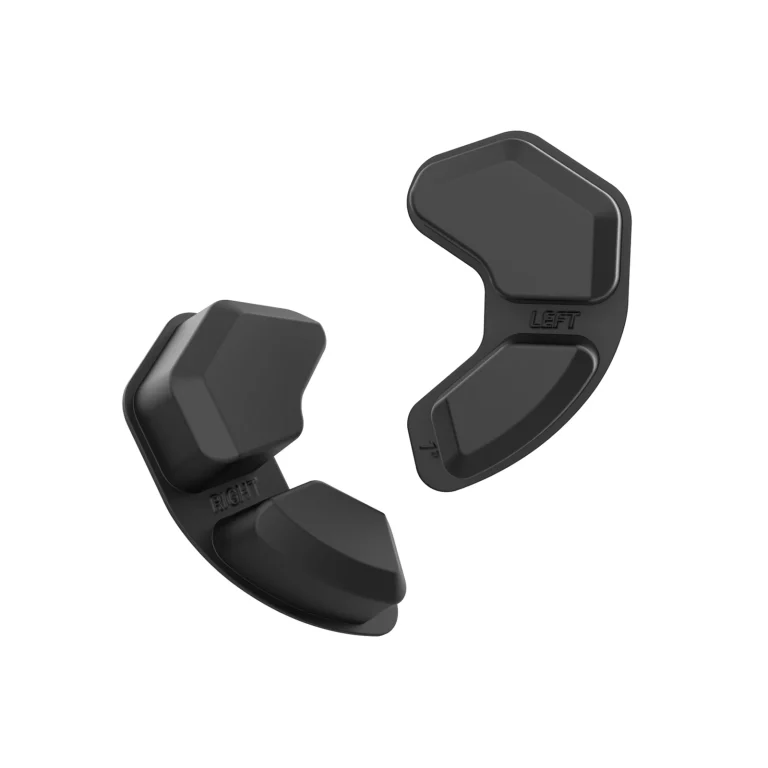
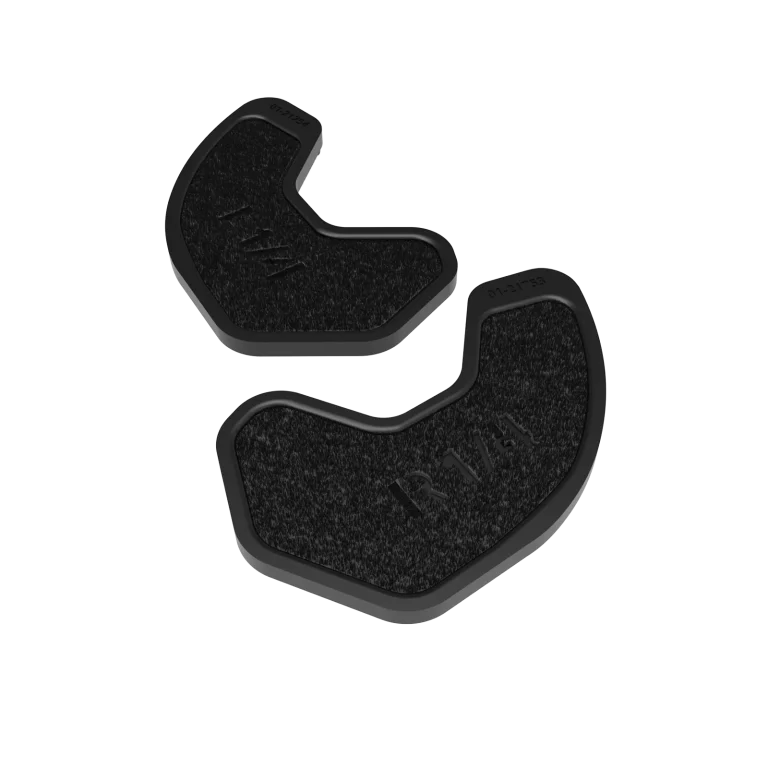
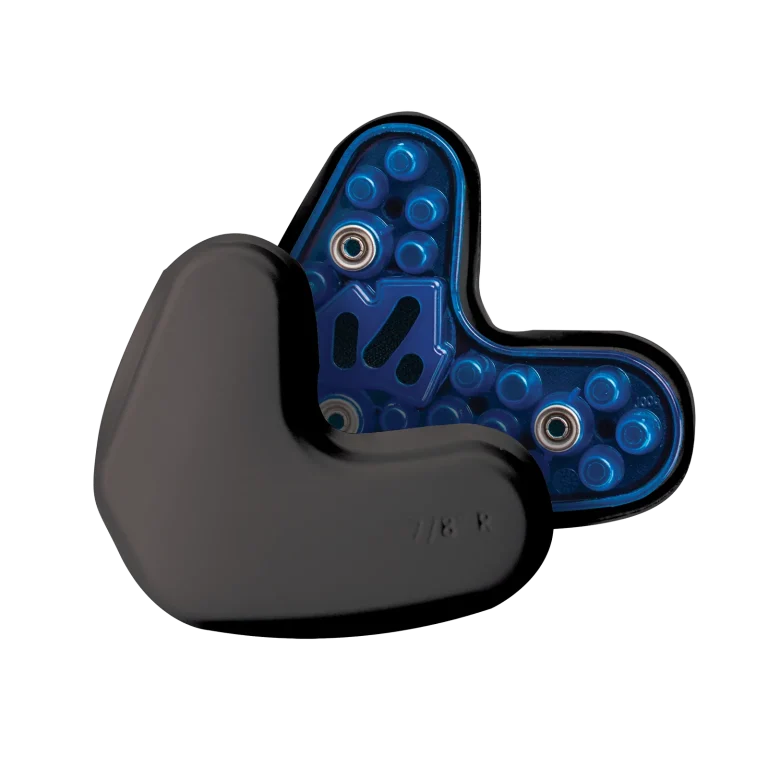
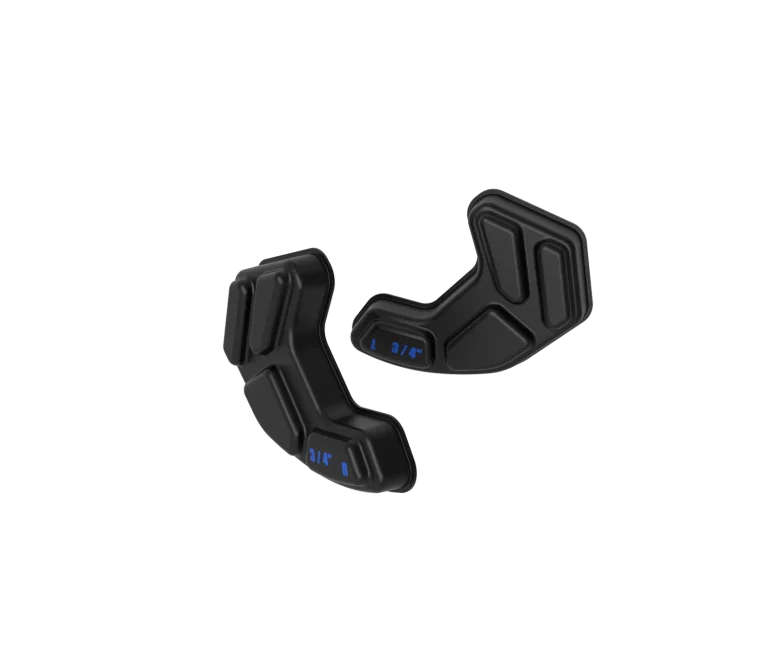
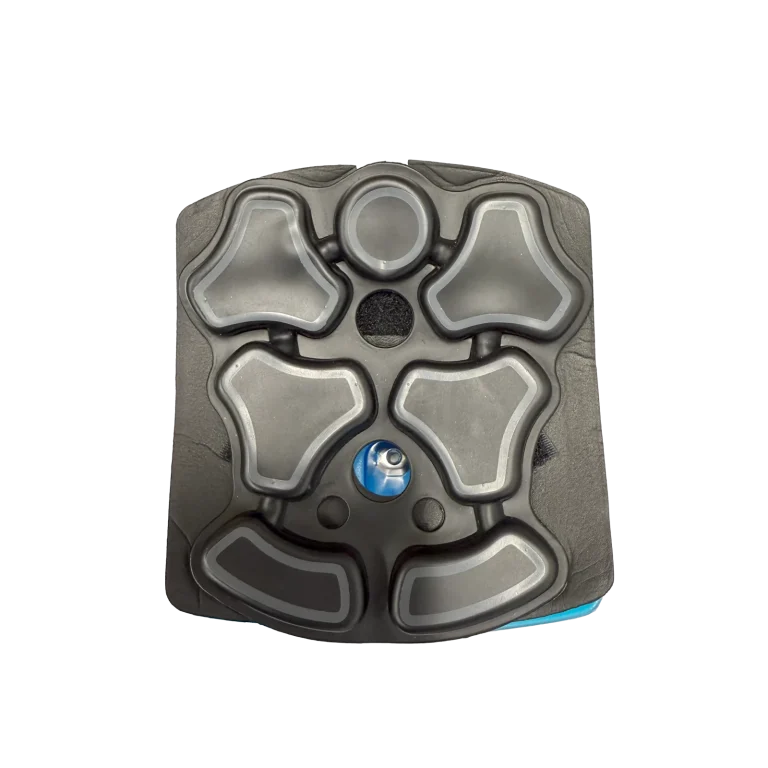
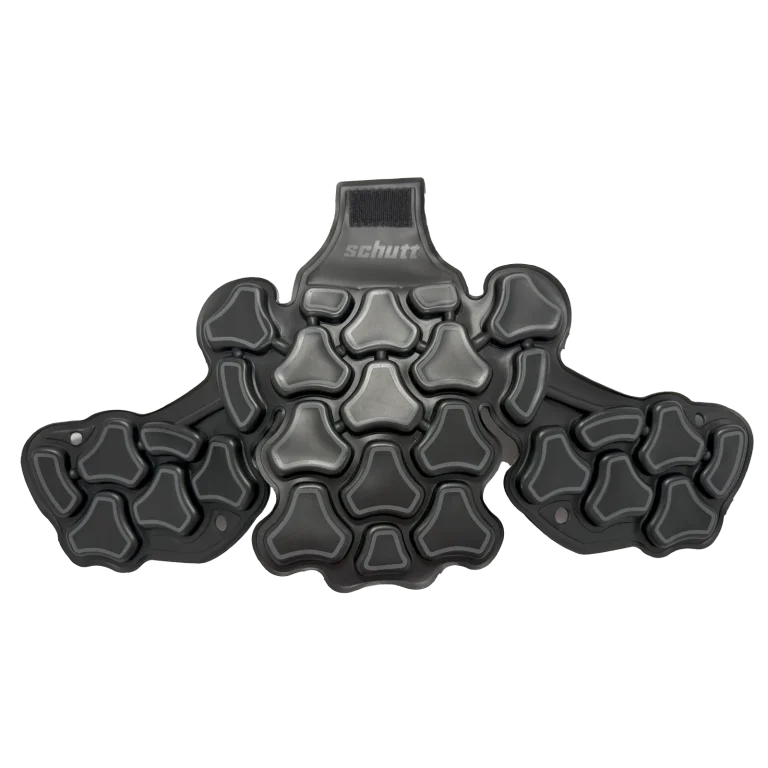
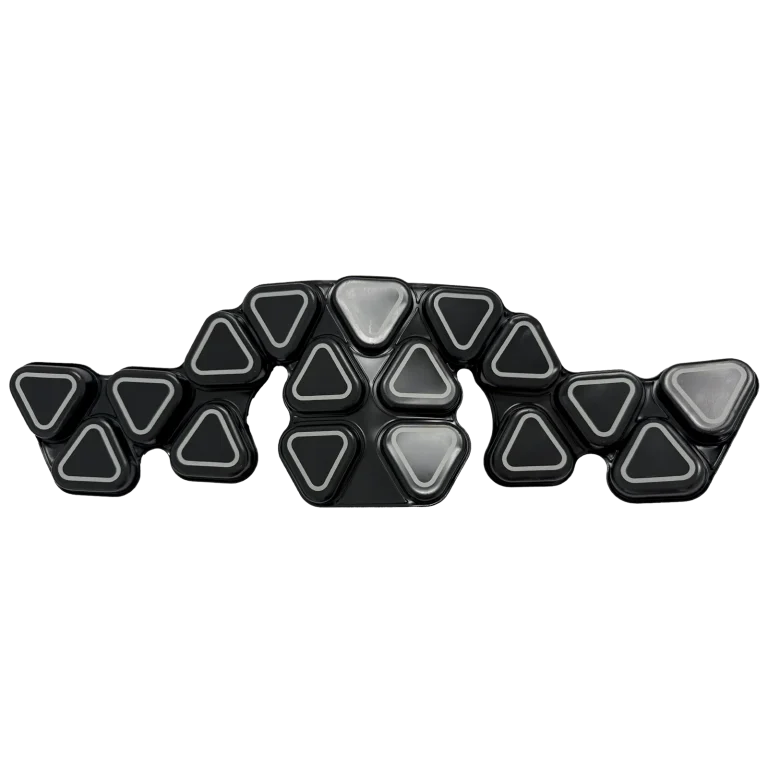
Jaw pads, crown pad, front pad: the checks Riddell, Schutt and Xenith publish, the replacement thicknesses on sale and the rules on factory parts.
 Buying guides
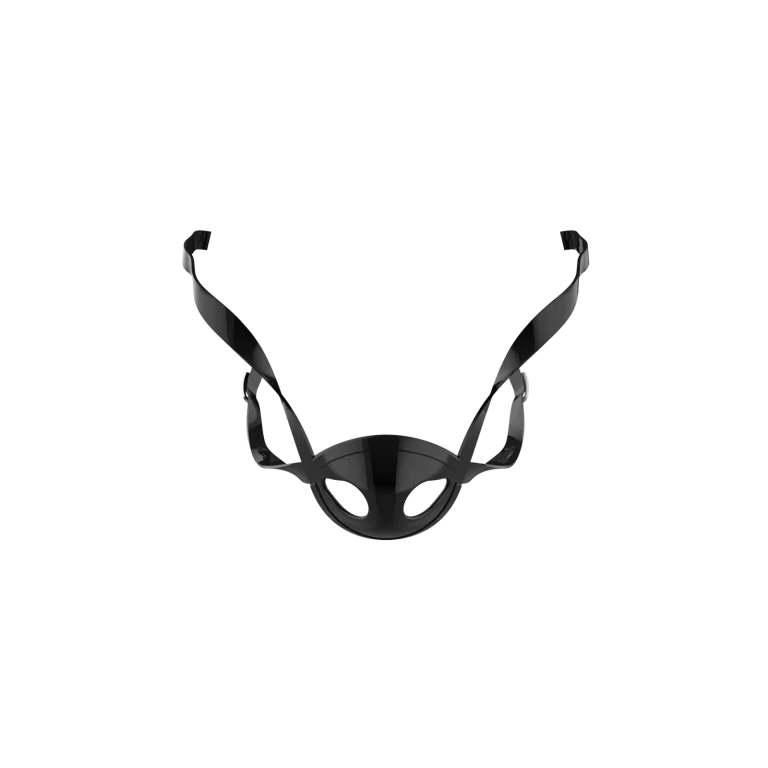
Chin strap fitting explained: what the IFAF rules require, hard cup or soft cup, CAM·LOC and Fusion compatibility, step-by-step adjustment and European prices.
The chin strap anchors the helmet to the jaw. It stops the helmet rotating or coming off in a tackle and keeps the liner in contact with the head. A well-fitted helmet that is not properly strapped loses much of its effectiveness.
Some helmets come with their own strap: Schutt fits the F7 AiR with a Fusion Hardcup chin strap, for example.
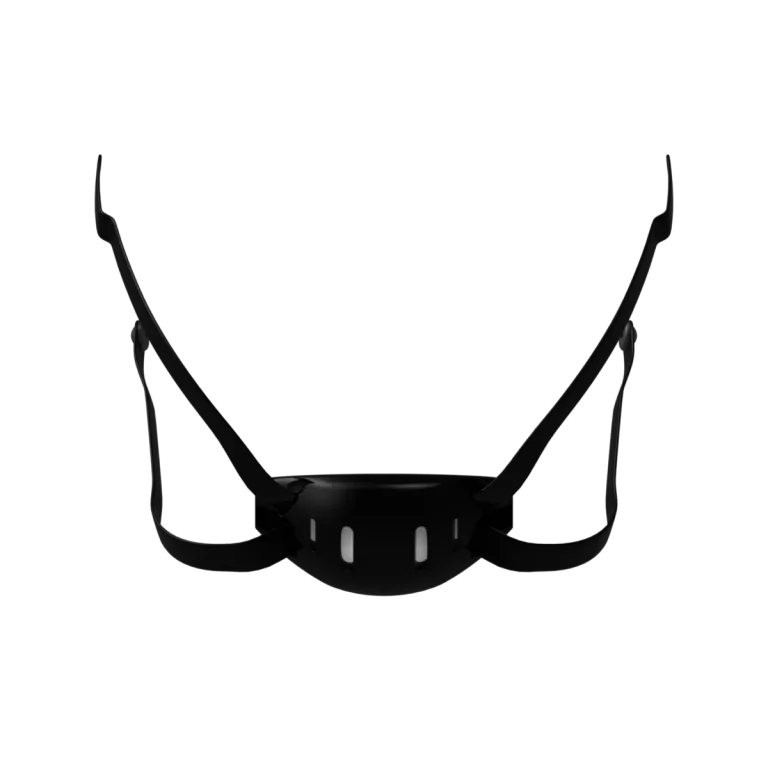
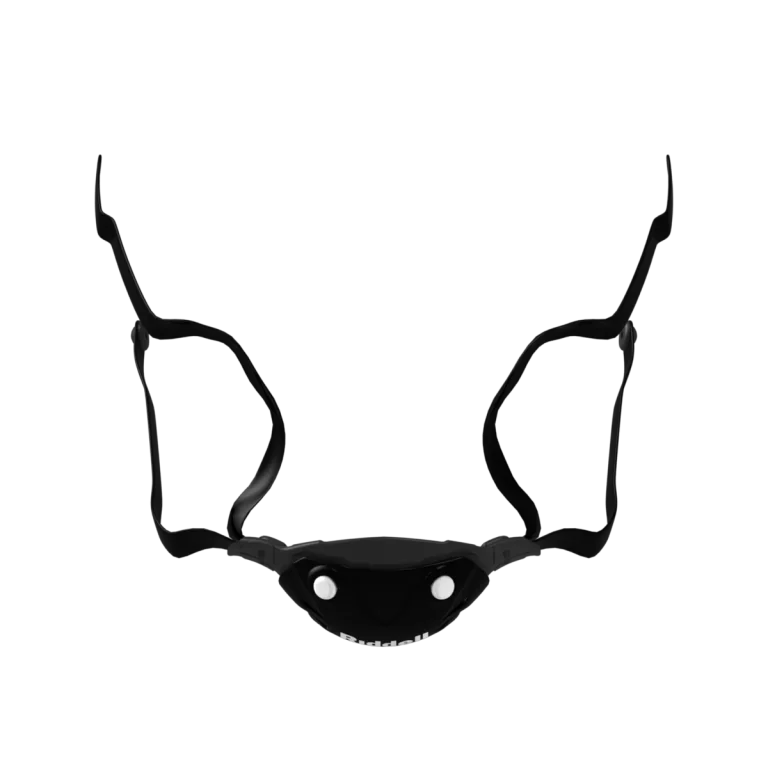
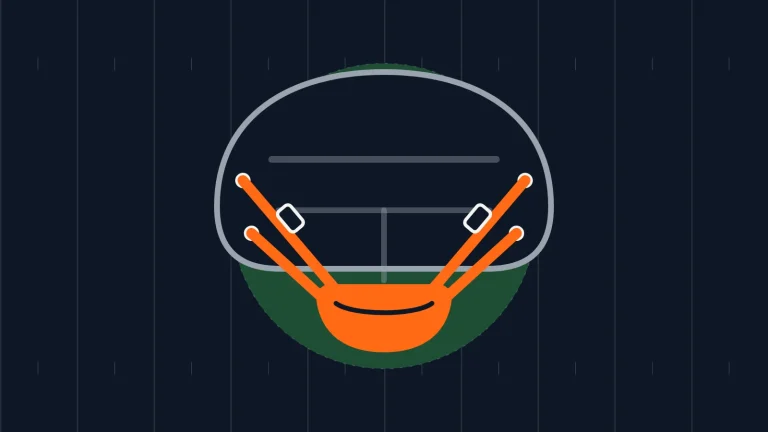
Most current helmets use a four-point system, with two straps on each side, which holds the helmet more steadily than older two-point set-ups.
Centre the cup on the chin and tighten the straps evenly on both sides. The helmet should not lift when you open your mouth, nor be pulled down over your eyes. Adjust with the helmet on and the facemask at its normal height, and redo it whenever you change the helmet's padding or inflation.
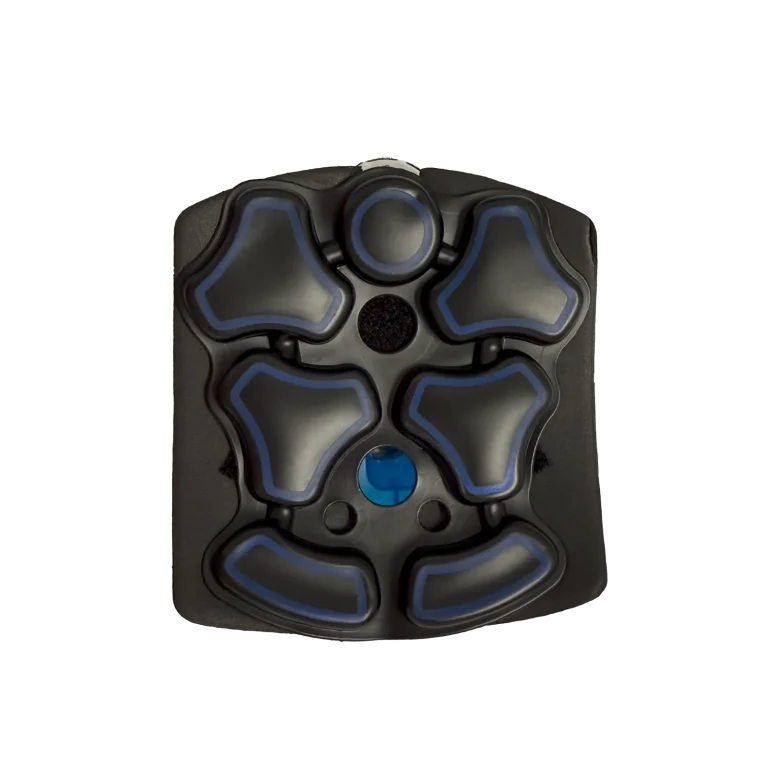
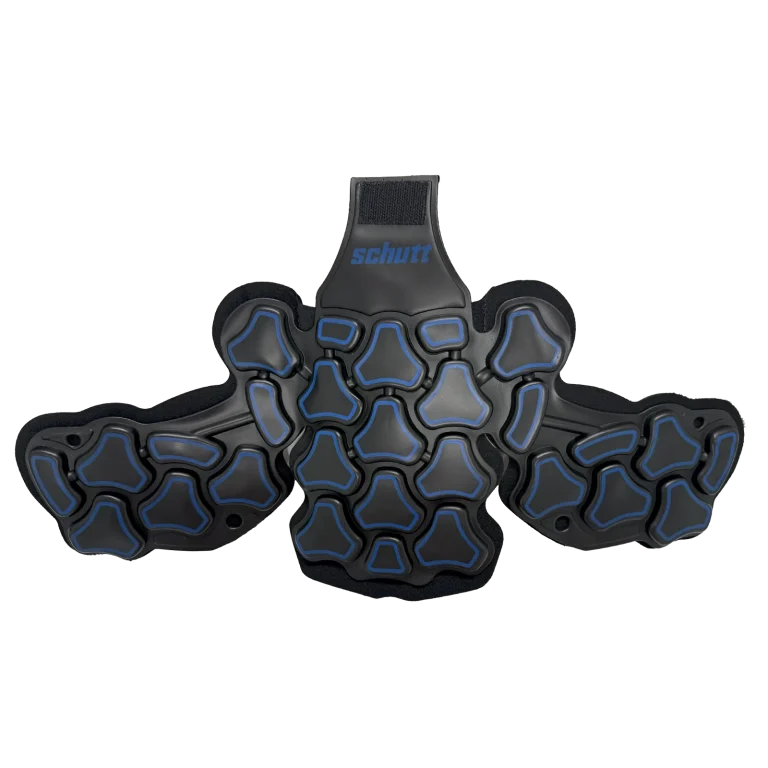
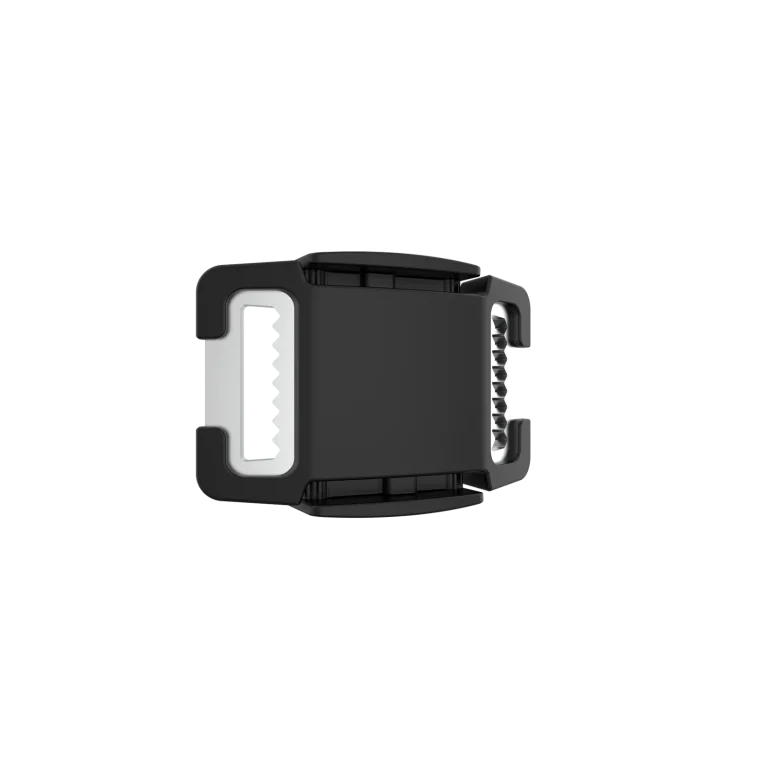
This section also covers spare parts such as snaps, facemask clips, straps and pads. Where possible, use the original parts specified by your helmet's manufacturer so the assembly stays as designed.
Wash the foam liner regularly in lukewarm water, let it air-dry, and check the straps and snaps. A frayed strap, cracked cup or loose snap should be replaced straight away.
A hard cup spreads the load better under repeated contact, while a soft cup is lighter and simpler. The choice depends on your level, position and what fits your helmet.
Not always. Attachment systems vary between brands and models, so check compatibility with your helmet, ideally with its manufacturer.
As soon as a strap frays, the cup cracks or a snap no longer holds. It is a wear part that is better replaced than repaired.