REF · 060550010007
Flag football is the non-tackle version of American football: instead of bringing the ball carrier down, defenders stop the play by pulling one of the flags attached to their belt. With no helmets or shoulder pads, it is played in small teams, most often five-a-side, on a reduced pitch, and welcomes every age group in men's, women's and mixed teams. It is also on the programme for the Los Angeles 2028 Olympic Games. This pillar page explains how the game works and what flag football equipment you need to get started or move up a level: belts and flags, a ball, gloves, cleats and a mouthguard. The kit is light and affordable, but a few smart choices make a real difference on the pitch, and your league's rulebook always has the final say.
 Rules of the game
Flag football positions explained from the IFAF rulebook: snapper, quarterback, receivers, blitzers and rushers, the 7-yard rule and what each player may do.
 Buying guides
Flag football cleats: the 1.25 cm limit in the IFAF, FFFA and AFVD rulebooks, why moulded studs win, and which sole suits grass, turf, indoor courts or sand.
 News
Flag football joins the Olympic programme in Los Angeles: tournament format, the nations already qualified, the remaining routes and the kit allowed.
Flag football keeps the core principles of American football, with a series of downs to move the ball, forward passes and running routes, but takes tackling out of the game. Every player wears a belt with flags, and a defender ends the play by pulling one off. Contact is limited by the rules, which makes the sport accessible to children, beginners and anyone who wants to play without full contact. Five-a-side is the most common format in international competition, but other formats exist depending on the league and age group.
Because tackling is not allowed, flag football does away with helmets, shoulder pads and padded girdles. That keeps costs down for families and makes it easy for schools and clubs to start a flag section. In return, speed, route running and sharp changes of direction take centre stage, so cleats and gloves become the pieces of flag football equipment that shape your game the most.
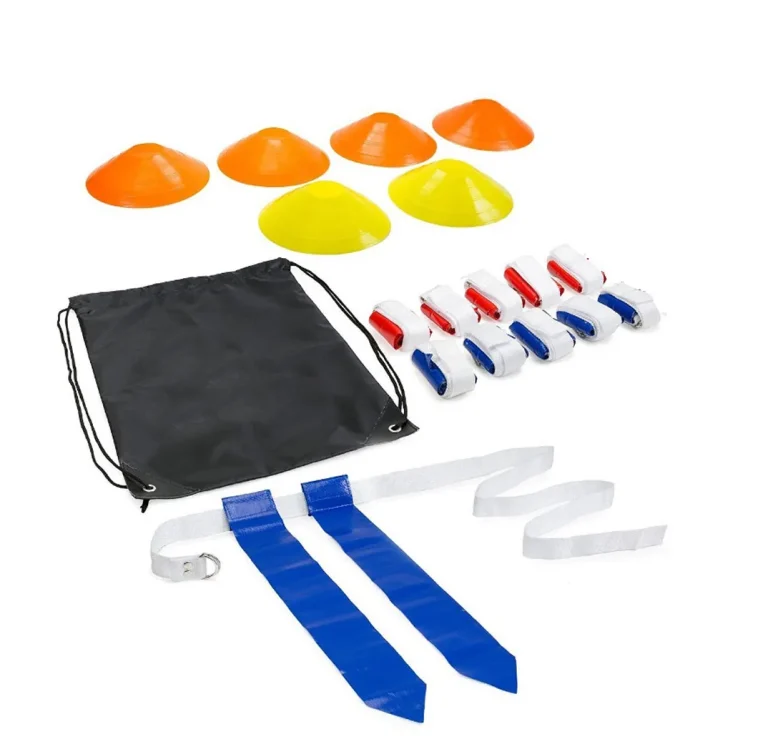
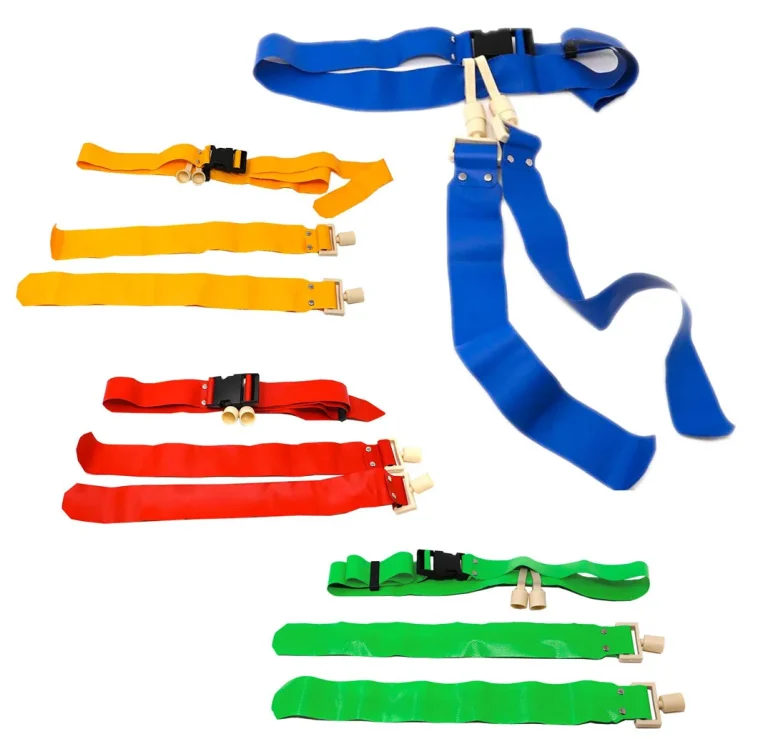
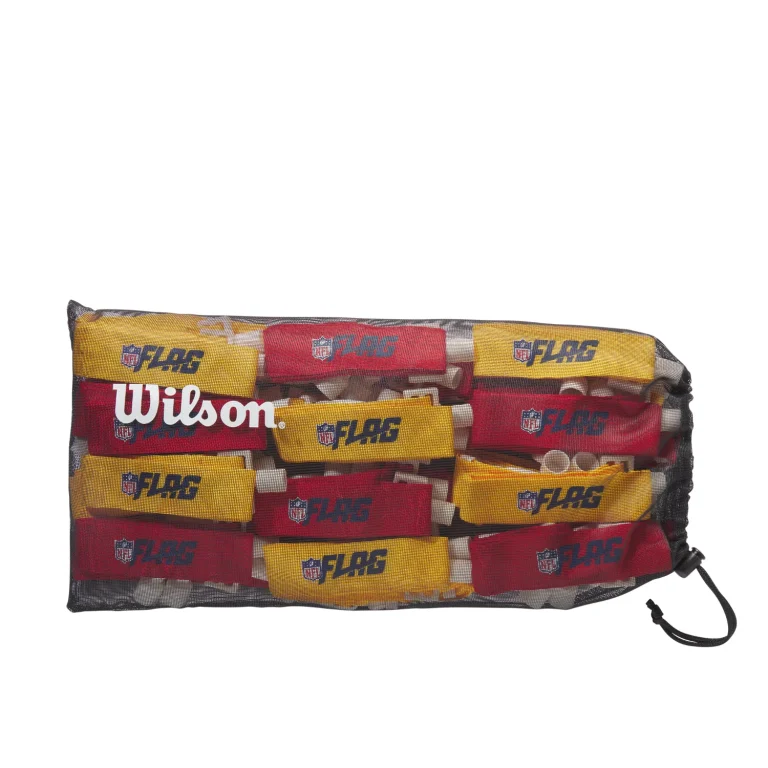
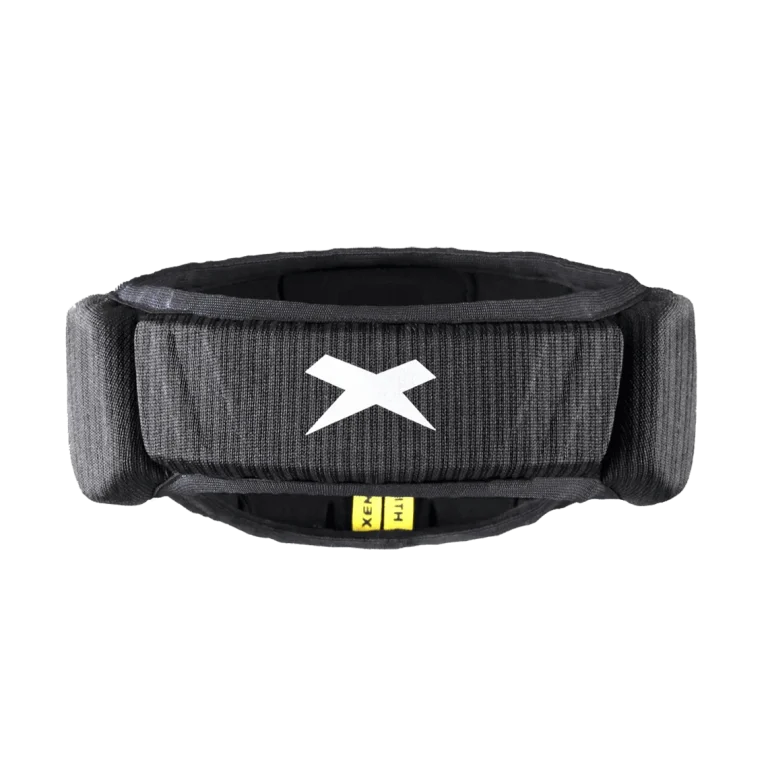
This is the only piece of kit truly specific to the sport. The flags attach to the belt with a clip, pop-off or hook-and-loop system designed to come away cleanly when pulled. Choose an adjustable belt that sits on the hips without slipping. Flag football flags must hang freely: a shirt tucked over them or baggy clothing that hides them is generally not allowed. For a club, stock sets in different colours so teams can be told apart, plus a few spare flags.
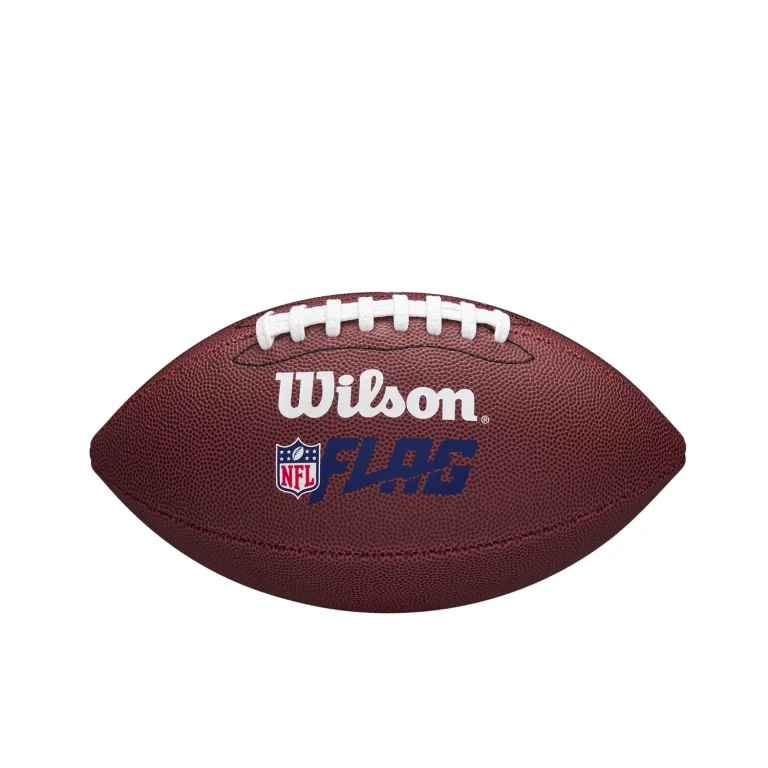
Ball size depends on the players' age and your competition's rules. A composite ball stands up better to repeated sessions and rain, while a leather ball offers more feel once broken in. For children, a youth-size ball makes gripping and learning to throw much easier.
Flag football is built around passing and catching. Gloves with a tacky palm, like wide receiver gloves, help secure the ball, especially in wet weather. Check that your league permits them.
Moulded cleats suit most pitches, grass or artificial, and give the traction you need for sharp cuts. Many rulebooks ban metal studs, so check yours before you buy.
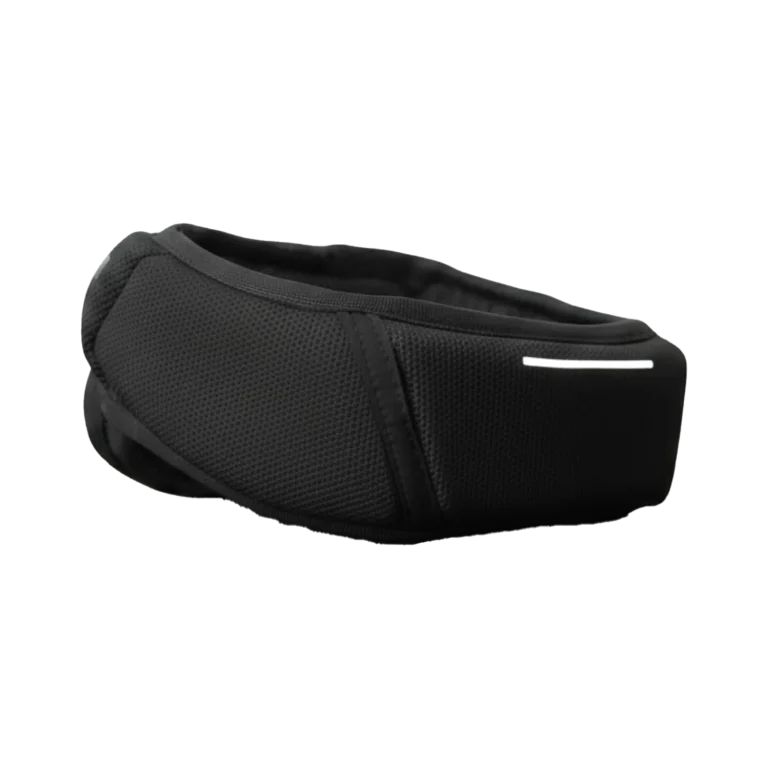
Even without tackling, accidental contact, falls and mid-air collisions happen. A mouthguard is simple, unobtrusive protection, and some leagues require one.
To begin, a belt with flags, a pair of moulded cleats and a mouthguard are enough; clubs often provide the balls. Gloves come next, once you are playing receiver or want surer hands. To complete your kit, browse our gloves, cleats, footballs and mouthguards sections, where each product page lists the data published by the manufacturer.
Hand-wash flags and belts, check the attachments for wear and replace any flags that come off too easily or not easily enough: fair play depends on it.
In flag football, tackling is replaced by pulling a flag from the ball carrier's belt. It is played without helmets or shoulder pads, with smaller teams on a reduced pitch.
A belt with flags, moulded cleats and a mouthguard are the basics. Gloves and your own ball can follow, depending on your position and club.
Yes, flag football is on the programme for the Los Angeles 2028 Olympic Games.
Many rulebooks ban them. Moulded cleats suit most pitches; check your league's rules.
Yes, the absence of tackling makes it accessible from a young age. Choose a youth-size ball and an adjustable belt that fits the child's hips.