REF · 060420580721
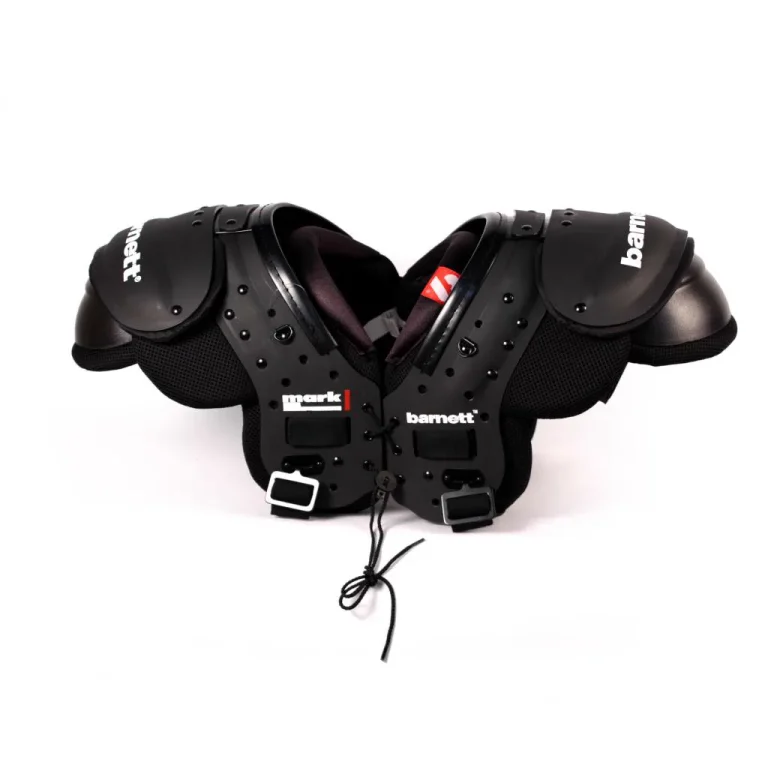
The quarterback runs the offence: he takes the snap, calls the play and gets the ball to his teammates, either through the air or by handing off to the running back. His kit has to protect his mobility and his field of vision above all, because he reads the defence in a split second before releasing the ball. Low-profile skill shoulder pads leave the throwing arm free to move, and an open facemask keeps sightlines to the receivers clear. The ribs and lower back, exposed as he winds up to throw, benefit from a rib protector or a back plate. Many quarterbacks throw bare-handed and wear a glove only on the non-throwing hand. Finally, stable cleats help him set his feet in the pocket.
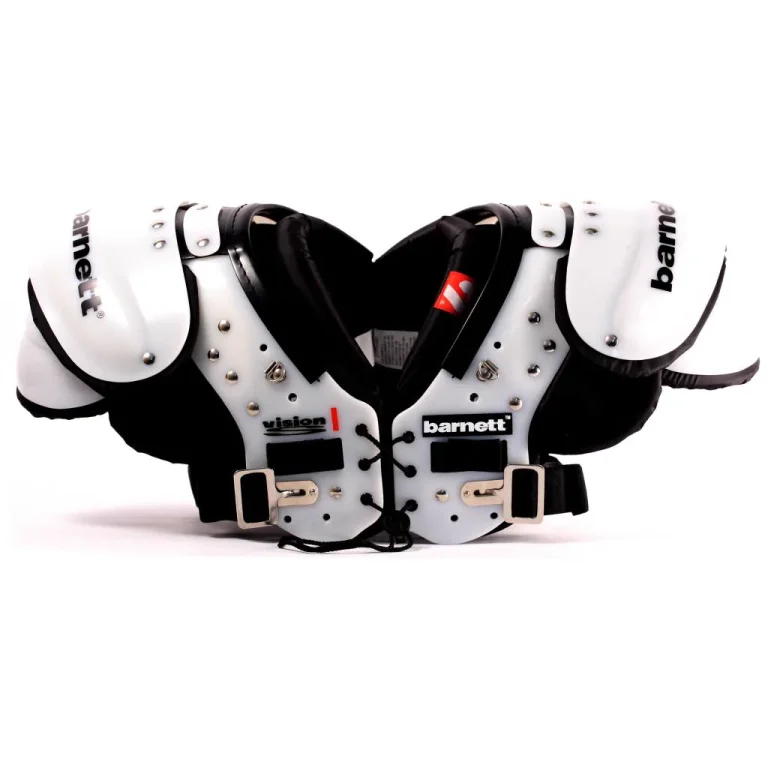
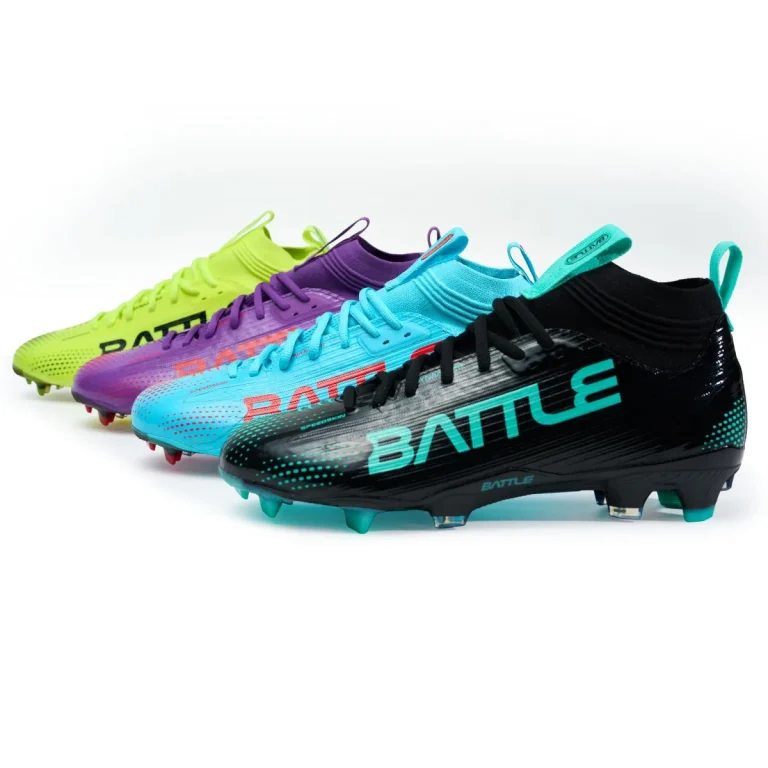
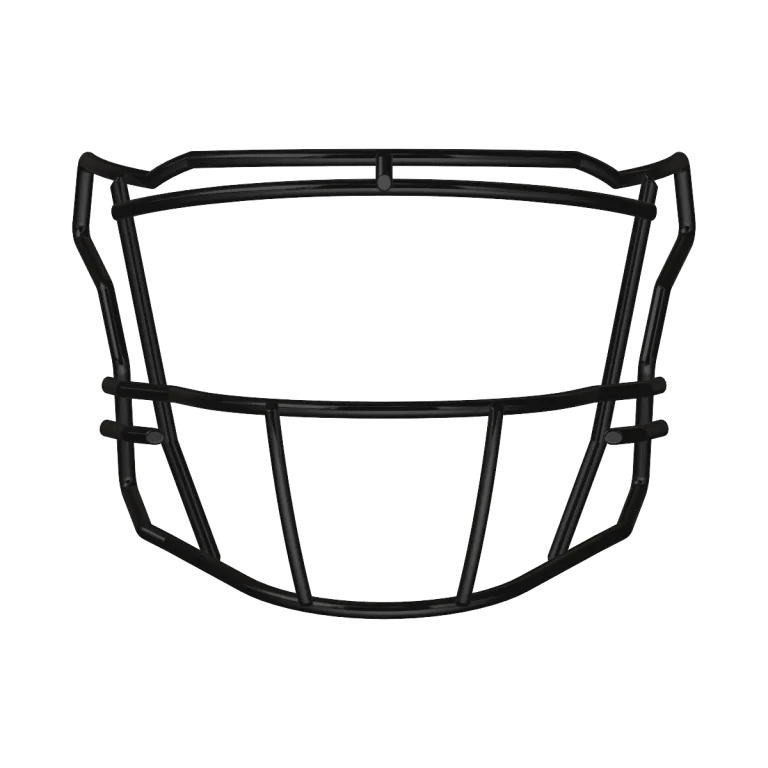
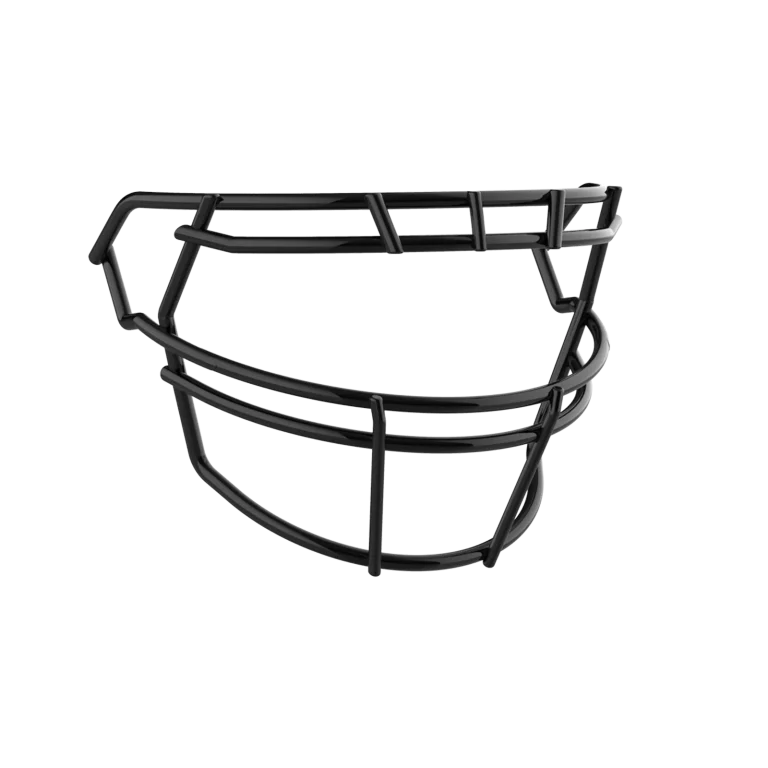
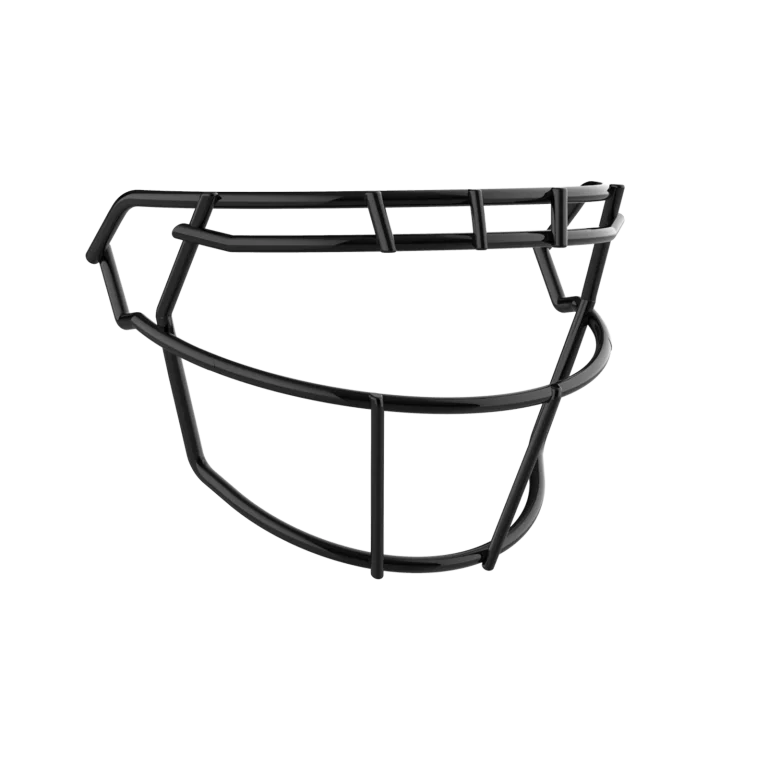
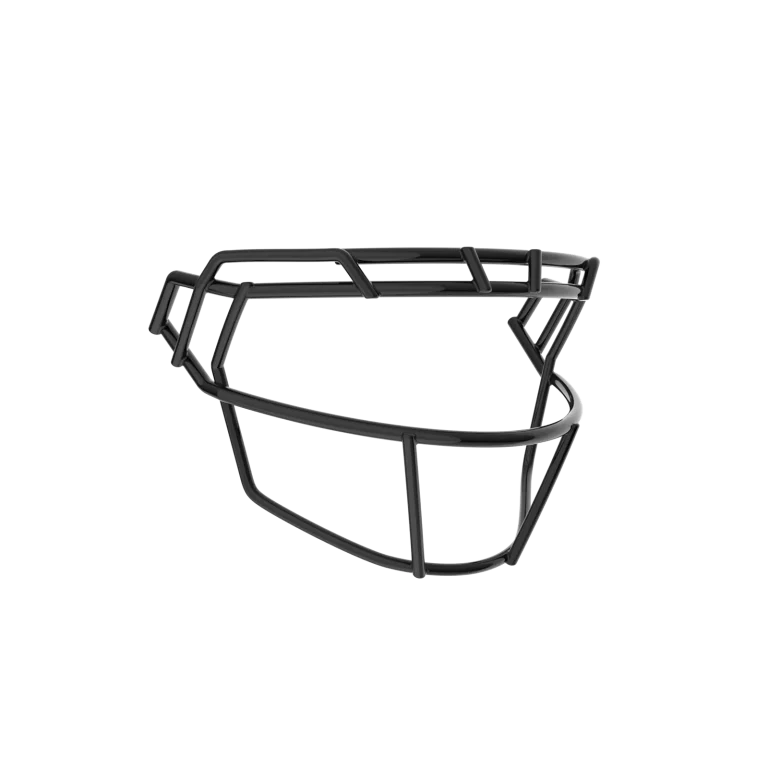
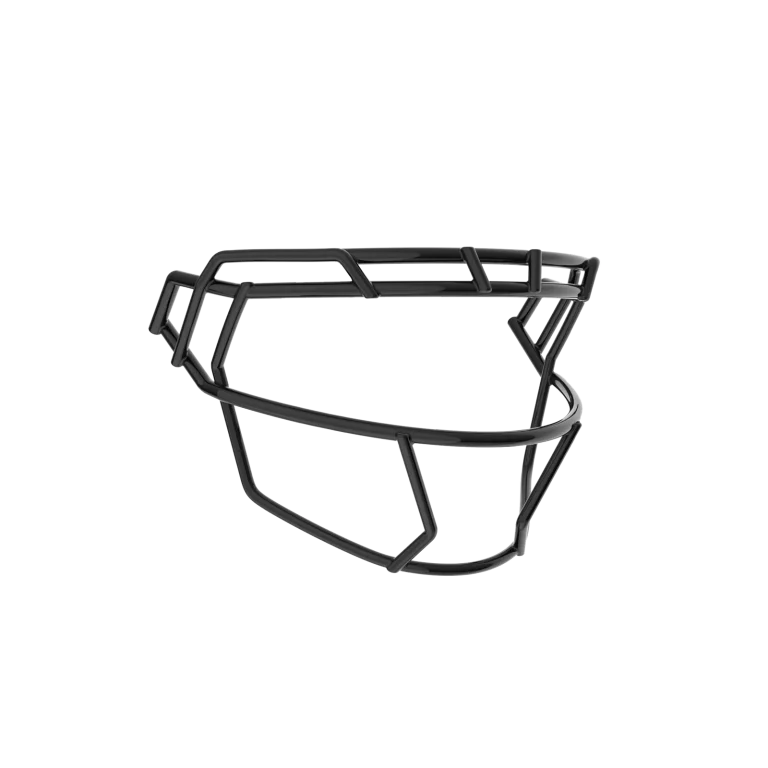
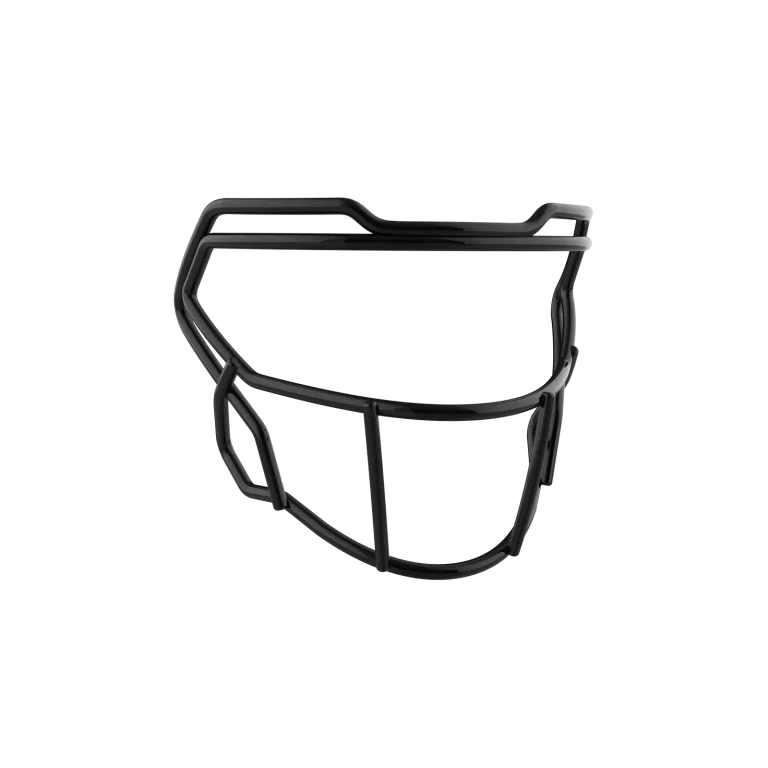
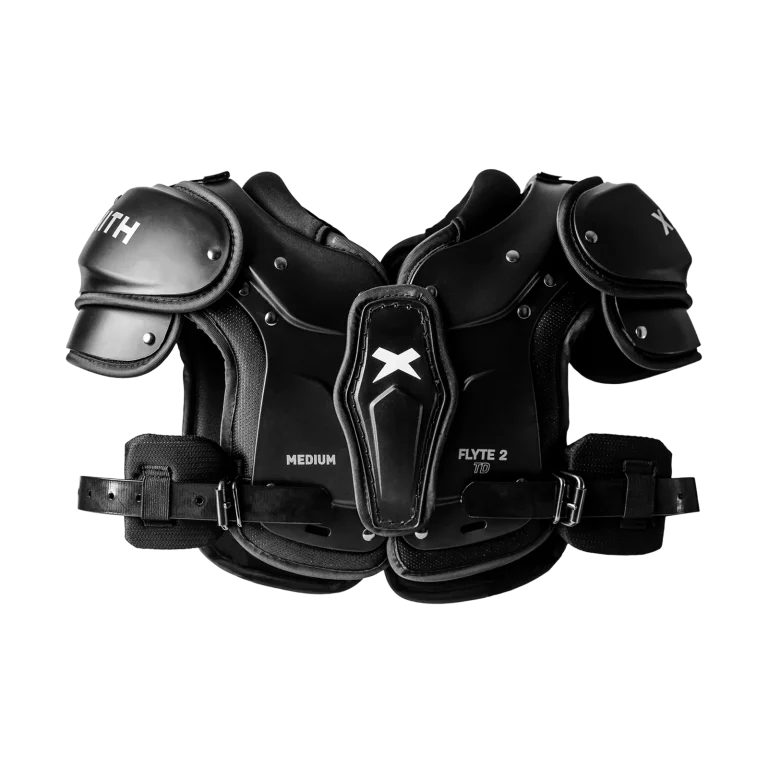
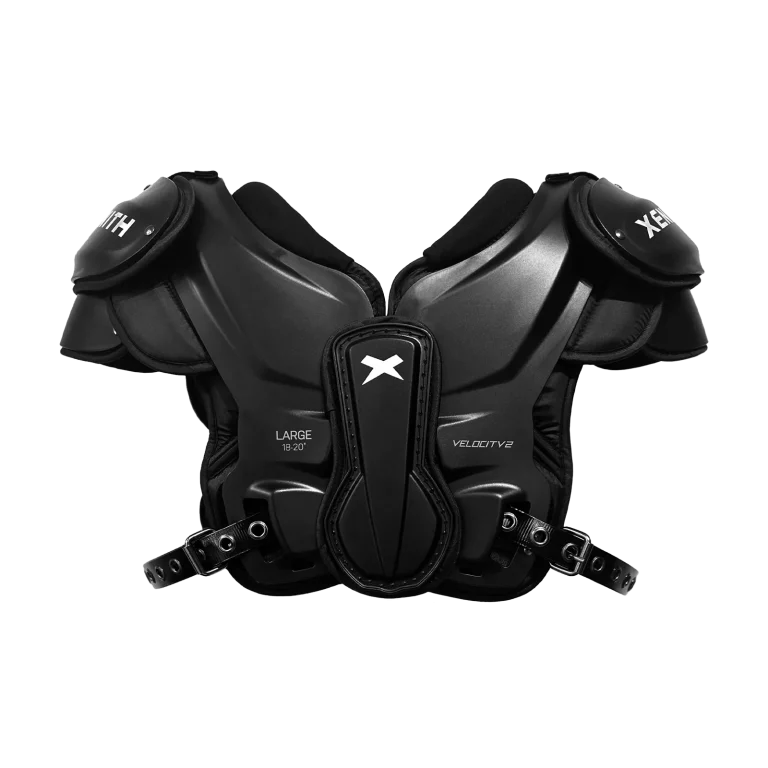
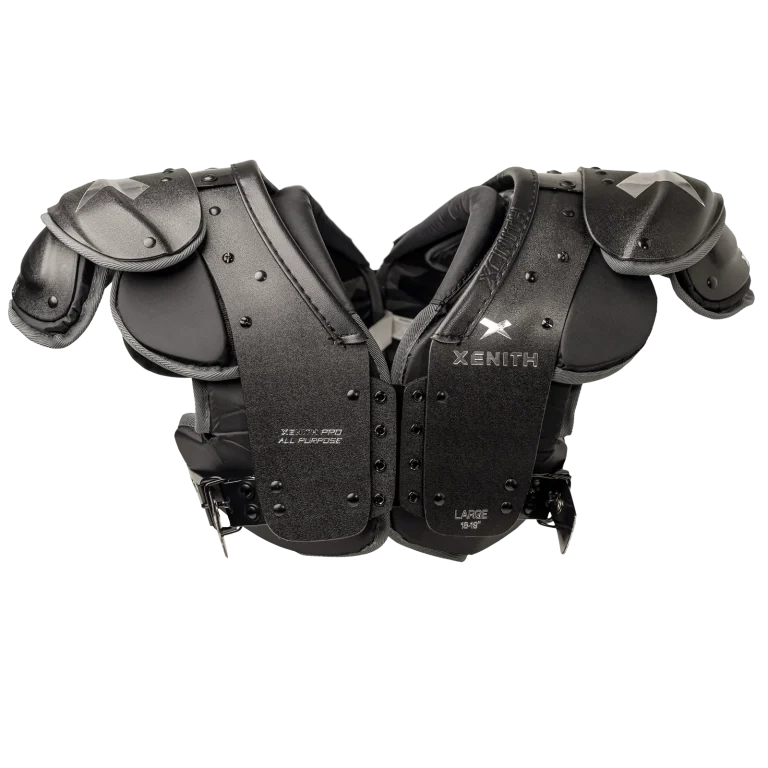
The quarterback handles the ball on almost every offensive snap. He needs to move freely in the pocket, throw without restriction and keep a clear view of the field, knowing he may be hit at the very moment he releases the ball. Every piece of kit is therefore a trade-off between protection and freedom of movement.
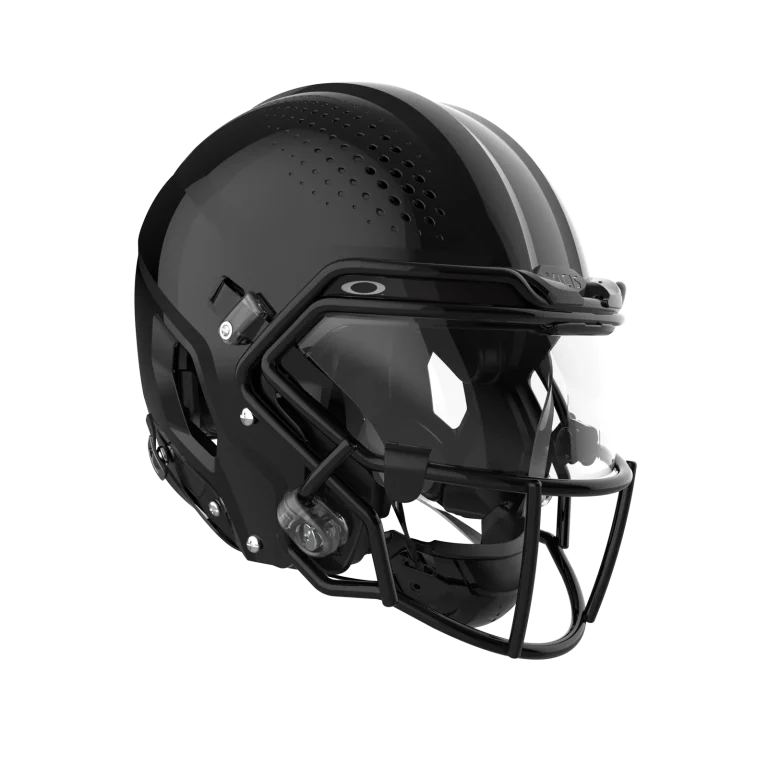
A football helmet is chosen first and foremost for the player's head: size, fit and certification. For the facemask, quarterbacks generally favour open designs with few bars, which let the eyes travel freely to the receivers and across both sides of the field.
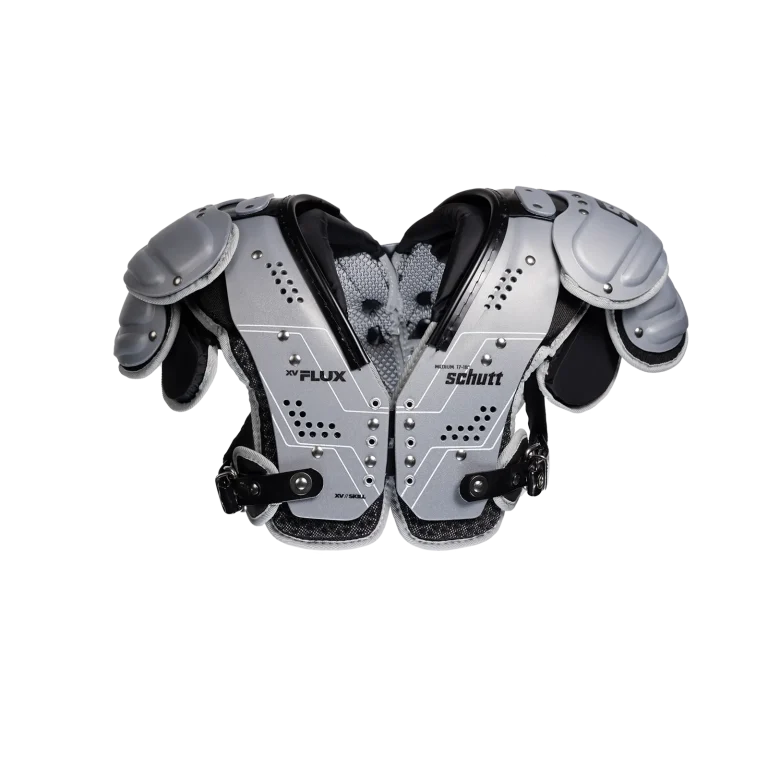
Skill football shoulder pads suit this position: a low profile, reduced weight and a cut that frees up the shoulder of the throwing arm. In our catalogue, the Schutt XV Flux Skill and the Xenith Velocity 2 are listed for quarterbacks.
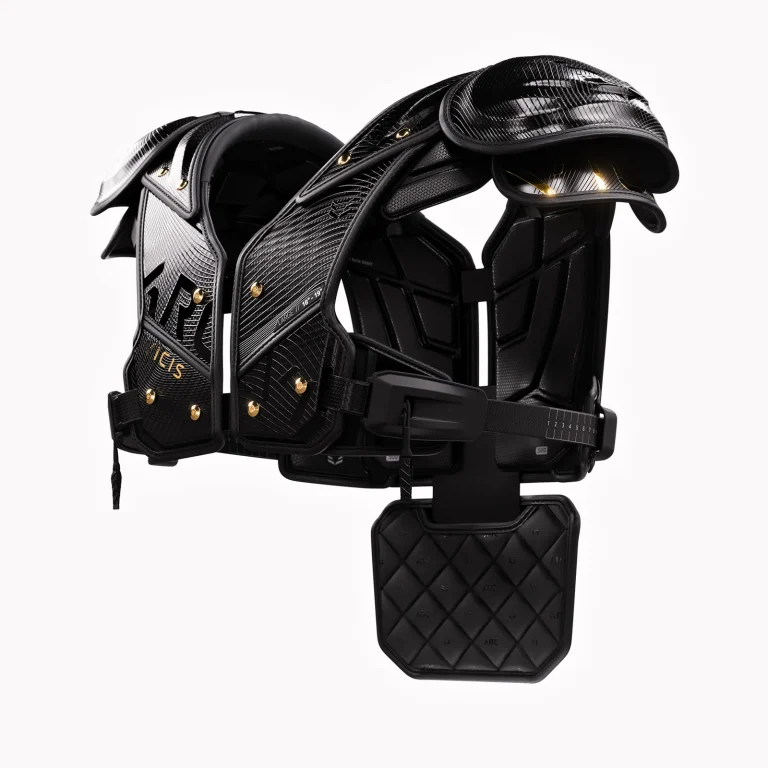
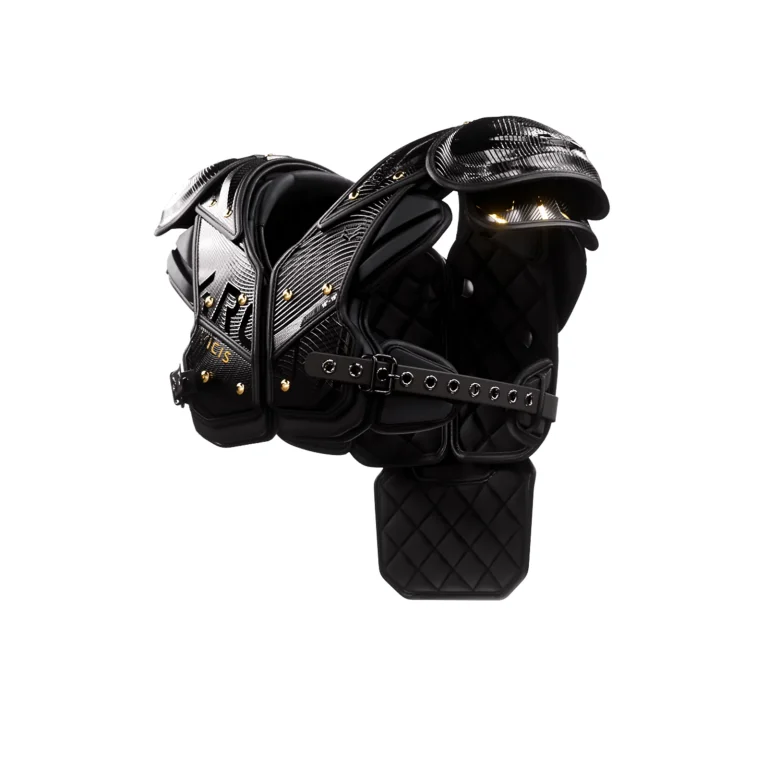
In the act of throwing, the quarterback exposes his flanks and back to hits he does not always see coming. A rib protector, or a back plate attached to the shoulder pads, reinforces this area for the cost of a few extra grams.
Stable football cleats with good lateral grip let him plant his back foot as he throws and escape the pocket without slipping. Complete the set-up with a mouthguard and a girdle with hip, thigh and tailbone pads, which every position needs.
For a young quarterback, choose a helmet and shoulder pads that fit him now, never a larger size to grow into: poorly fitted protective gear protects less well.
Skill shoulder pads: light, low-profile designs that free up the shoulder of the throwing arm. They can be paired with a back plate or a rib protector for extra cover around the torso when throwing.
Not necessarily. Many quarterbacks throw bare-handed to keep a feel for the ball and wear a glove only on the non-throwing hand. Others use a thin glove in cold or wet weather; it is a matter of personal preference.
An open facemask with few bars is the most common choice, as it keeps the field of vision clear for reading the defence and spotting receivers. The helmet itself must first be the right size and properly fitted.