Shoulder pads
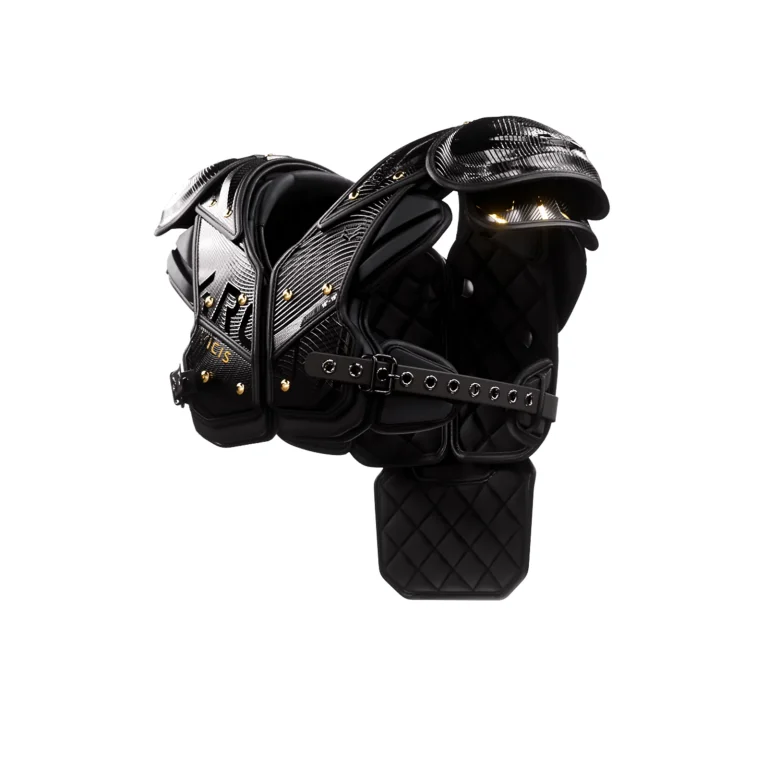
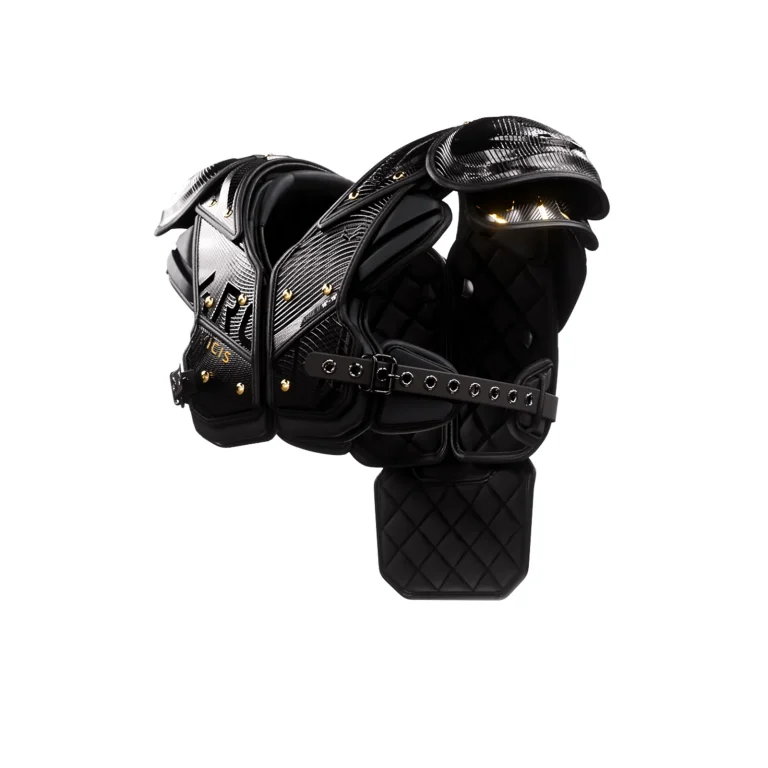
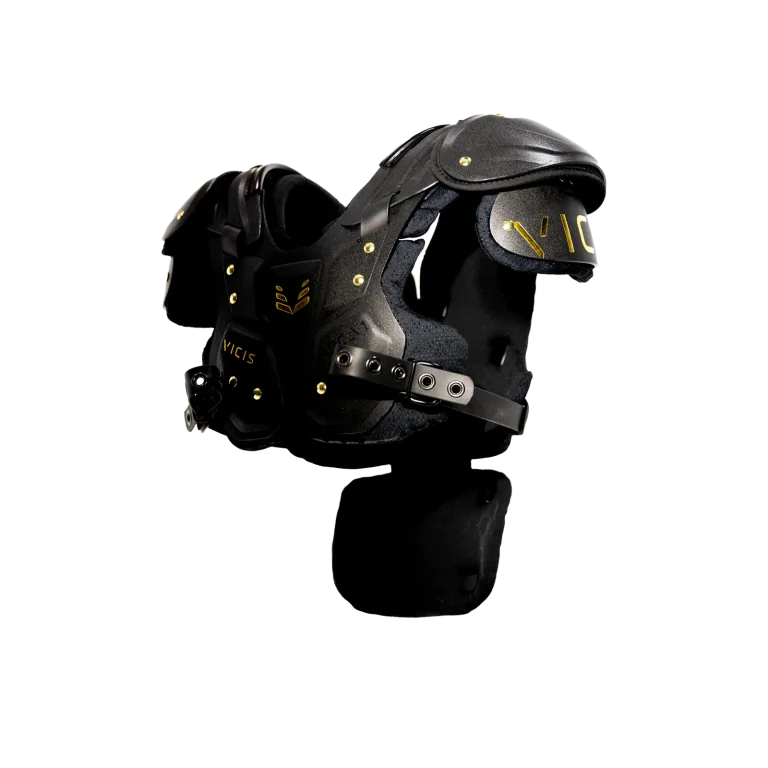
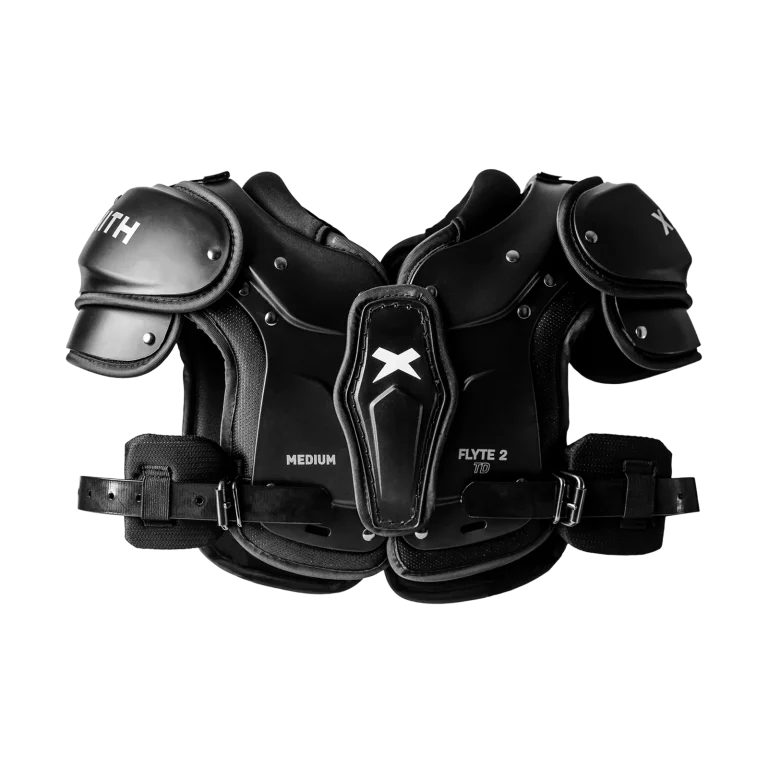
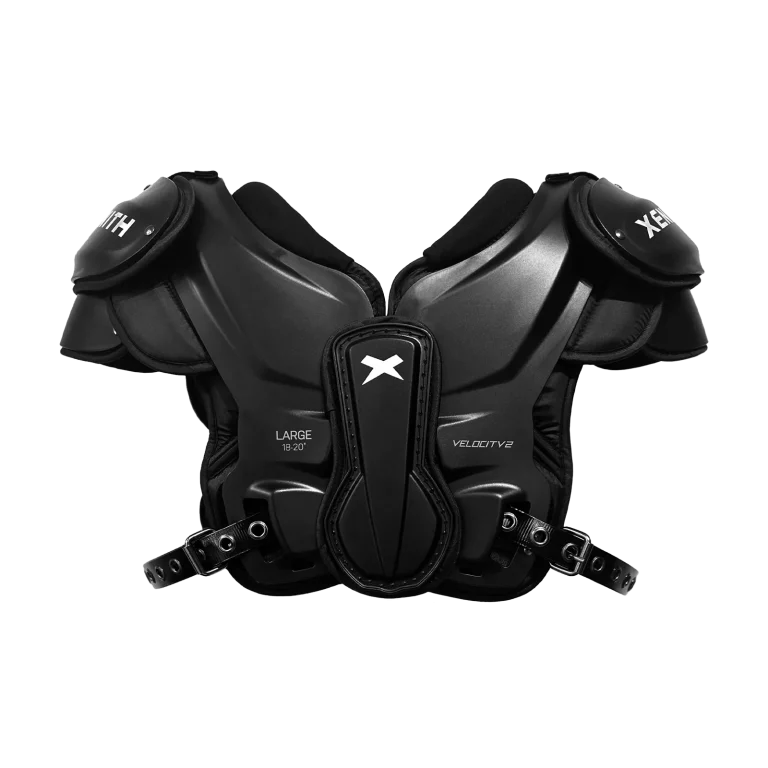
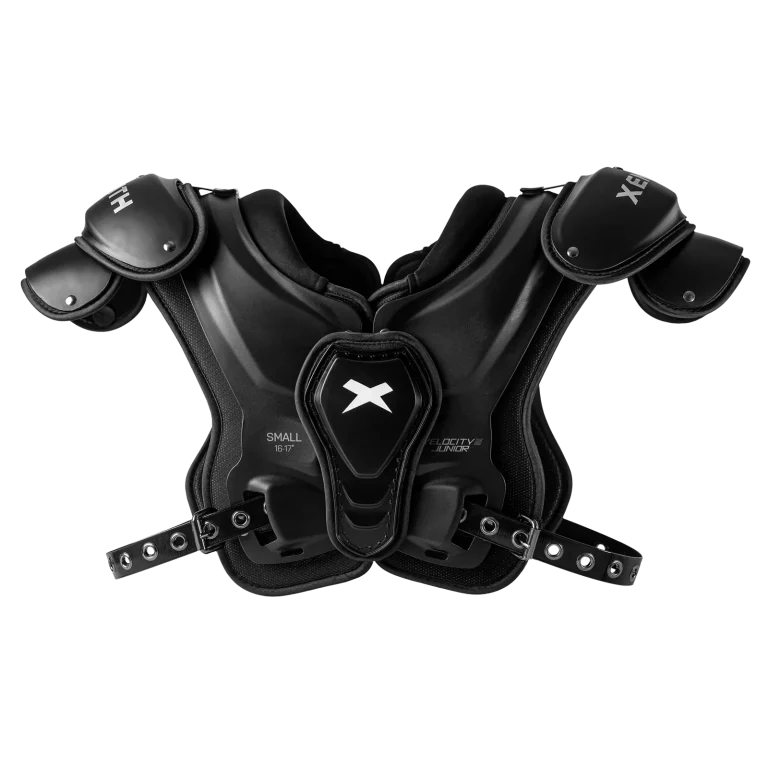
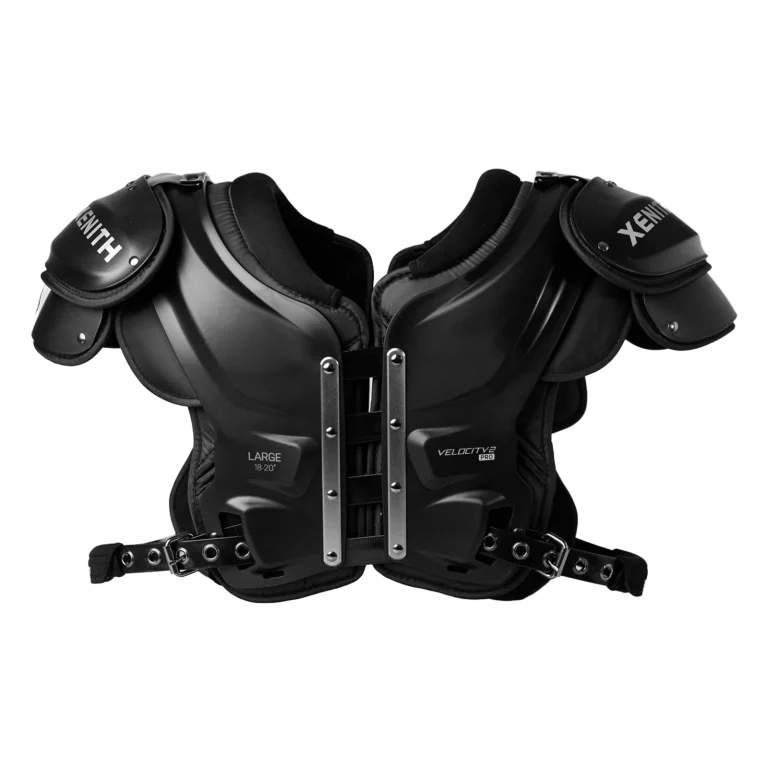
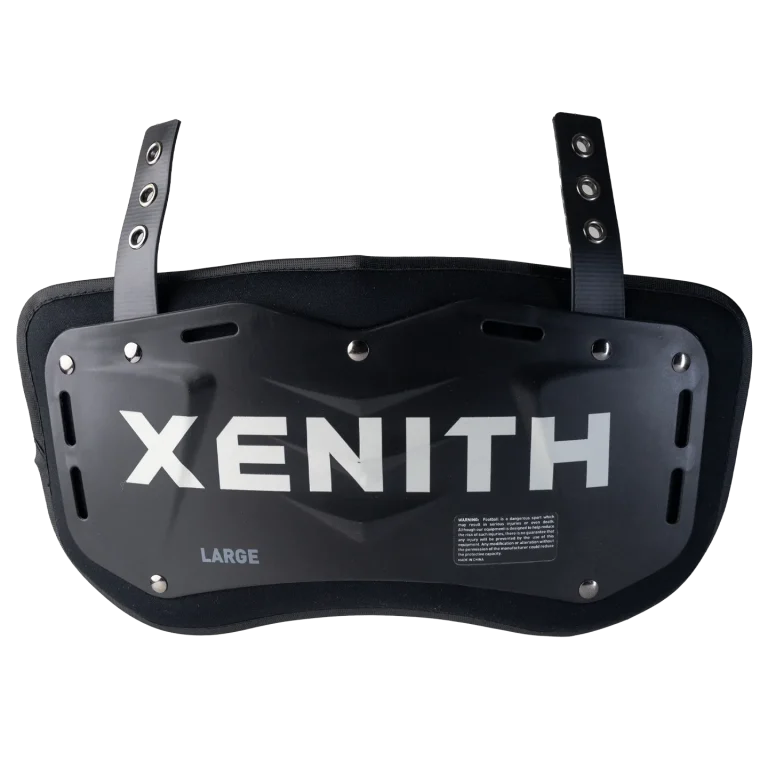
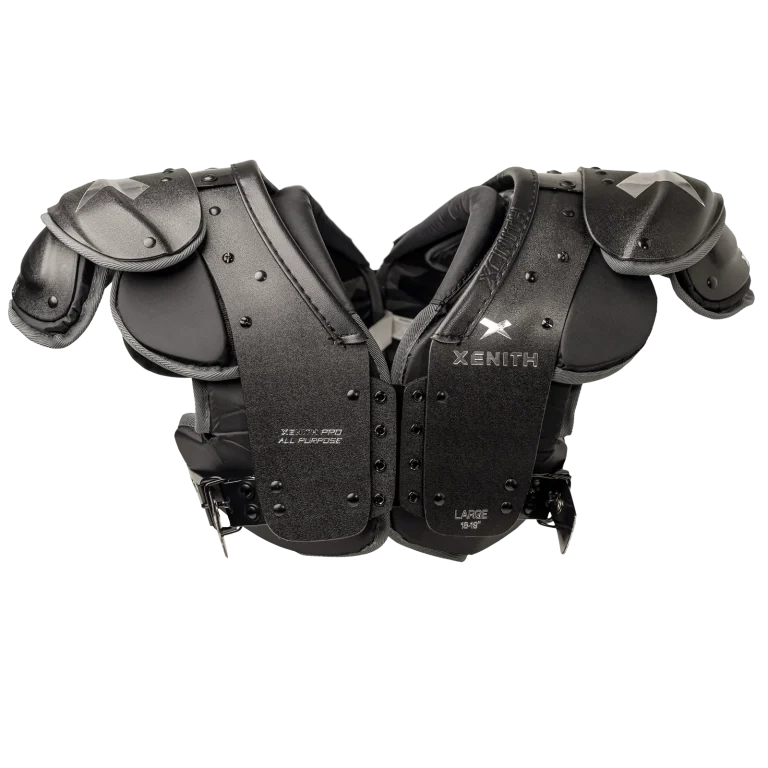
Football shoulder pads protect the shoulders, collarbones, sternum and upper back, and they have a direct effect on how freely you can move. This page covers shoulder pads from Schutt, VICIS and Xenith, grouped by cut: skill pads for quick positions, all-purpose pads for versatile players and lineman (or trench) pads for players on the line. Each product page lists the sizes and technologies published by the manufacturer, together with the positions it was designed for, and nothing we cannot source. You will also find backplates, which extend protection towards the lower back. Prices come from European retailers, in euros and dated. Read our advice before ordering: shoulder pads in the wrong size restrict your movement and protect less well.
 Buying guides
Which football shoulder pads for which position: skill, all-purpose and line cuts, the positions manufacturers name, plus back plates and rib protectors.
 Rules of the game
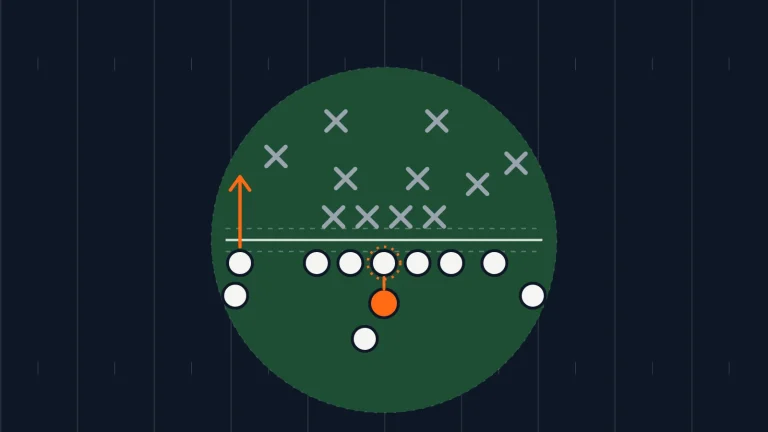
Every football position explained from the IFAF rule book and the NFL glossary: what each player does in offence, in defence and on special teams.
 Buying guides
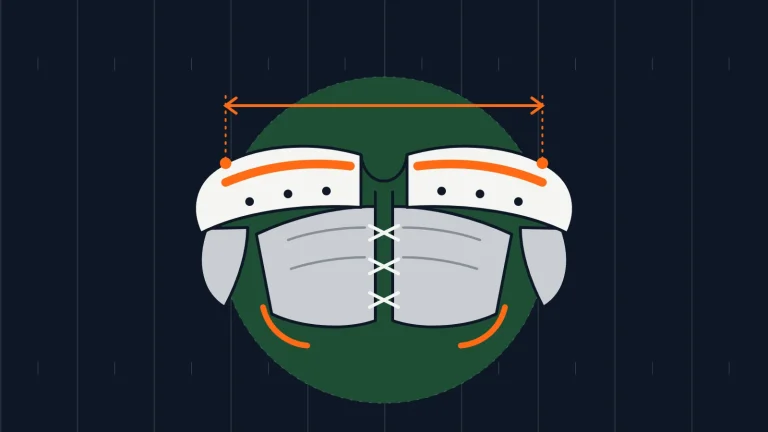
Football shoulder pad sizing explained: how manufacturers measure shoulder width, skill, lineman and all-purpose cuts, size charts by model and back plates.
Start with your position. Manufacturers offer several cuts, each striking a different balance between coverage and mobility.
These groups are a guide rather than a rule: each product page lists the positions named by the manufacturer itself.
Rigid plastic or composite arches, multi-density foams, air channels and removable padding: every brand takes its own approach. Padding that breathes and dries quickly makes a real difference during long summer sessions.
Shoulder pad sizes are based mainly on shoulder width, measured across the back from the tip of one shoulder to the other (the AC joints). Some brands also use chest circumference or body weight. Charts vary between manufacturers, so the same measurement can be a medium with one brand and a large with another. Once fitted, the pads should cover the whole shoulder, leave the neck free and stay put when you lift your arms above your head; the side straps should be snug without restricting your breathing.
Youth models have their own size charts, often combining weight and chest measurement. Resist the temptation to buy a size up so they last longer: pads that shift around do not protect properly.
A football backplate attaches to the back of the shoulder pads to protect the lower back. Check compatibility before buying: some are designed for a single brand, others fit most pads on the market. Rib protectors also attach to the shoulder pads.
After every session, take the pads out of your kit bag and let the padding air-dry. Clean it as the manufacturer recommends, check rivets, straps and buckles, and replace any cracked part.
Measure your shoulder width across the back, from the tip of one shoulder to the other, then check the manufacturer's chart. Some charts also ask for chest circumference or weight.
Skill pads are lower and lighter so the arms can move freely (QBs, receivers, defensive backs). Lineman pads offer wider coverage for players who take contact on every snap.
No, it is an add-on that extends protection towards the lower back. Make sure it is compatible with your shoulder pads before you buy.
You can, but you will lose either mobility or protection. A cut suited to your position and build is the better choice.