REF · 1909506
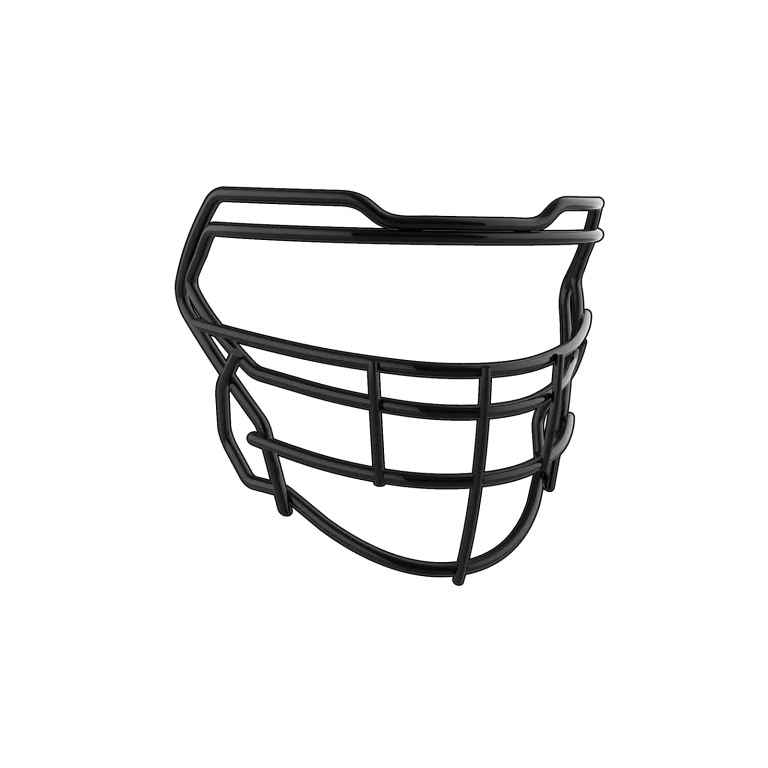
A football facemask protects the face while leaving you enough vision to read the play. It bolts or clips onto the shell and must match your helmet model: a Riddell SpeedFlex mask will not fit a Schutt F7, and vice versa. This section is for facemasks sold separately, whether you need to replace a bent mask, change configuration after switching position, or complete a helmet bought without one. No products are listed yet: we only publish a product page once its specifications have been checked against the manufacturer's own information. In the meantime, the guide below explains how to read facemask codes, which styles suit which positions and how to check compatibility with your helmet before you buy anything.
 Buying guides
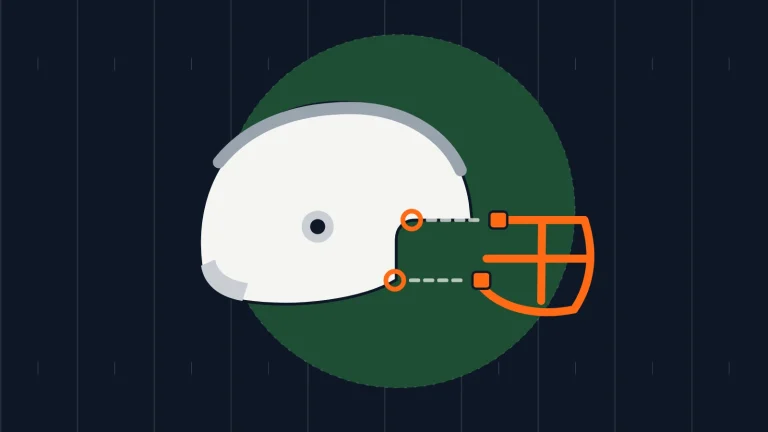
Removing and refitting a football facemask: NOCSAE compatibility, clips, screws and T-nuts, the Xenith tightening order, hardware kits and recertification.
 Buying guides
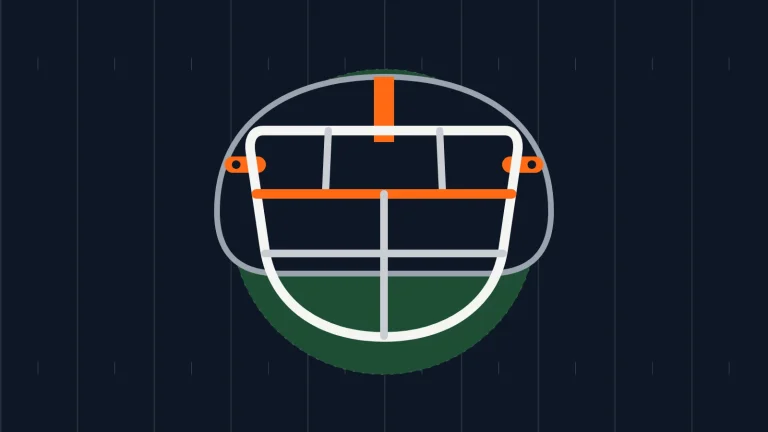
Football facemask buying guide: helmet compatibility, the NOCSAE ND087 standard, positions listed by Riddell and Schutt, steel or titanium, rules and EU prices.
The facemask shields the nose, mouth, jaw and eyes from contact, opponents' hands and falls. It also stiffens the front of the helmet. Its design has a direct effect on your field of vision: more bars mean more protection but a busier view.
Manufacturers design facemasks for a specific helmet platform. Riddell, for example, lists a range of SF-coded masks for the SpeedFlex, while Schutt offers F7X masks for the F7 AiR, which it says also accepts older F7 masks. Always start from your helmet maker's compatibility list rather than a generic retailer filter.
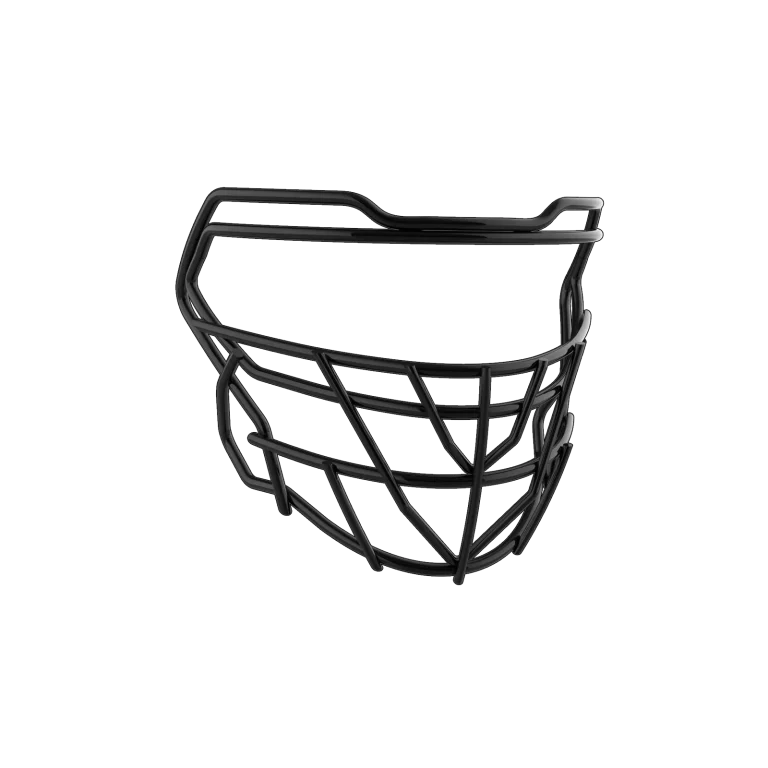
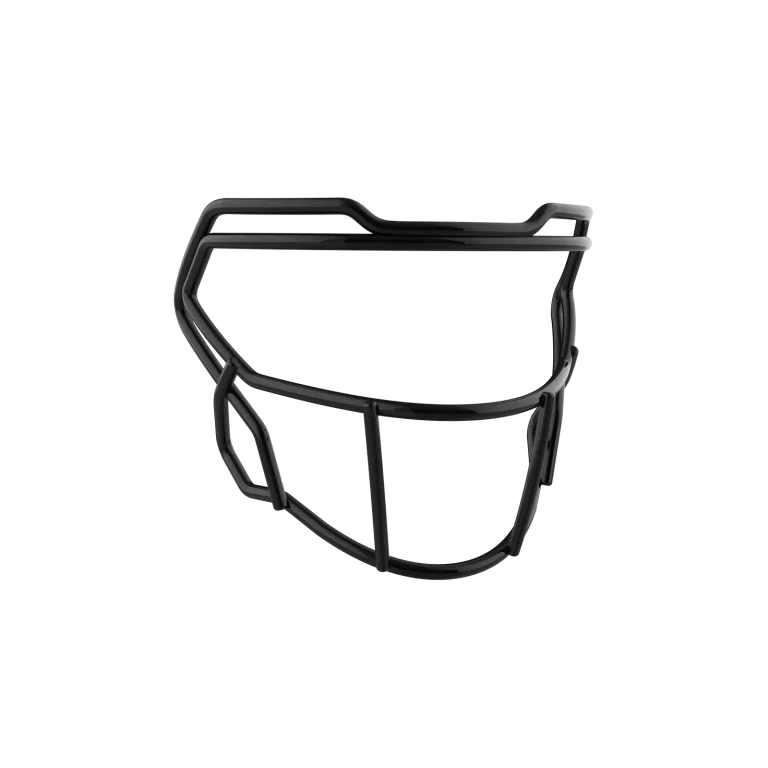
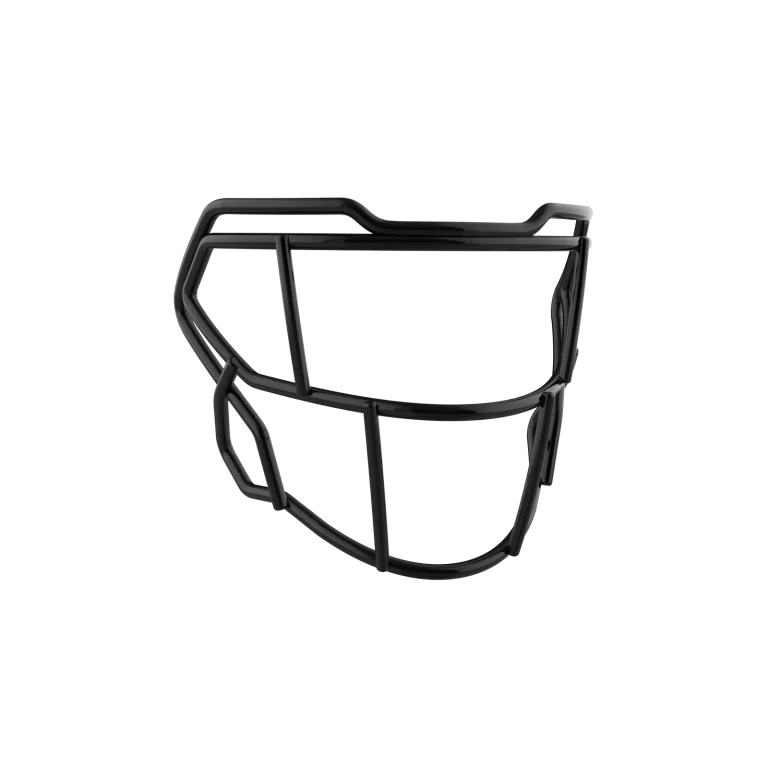
Facemask names usually describe the number of bars and whether there is a vertical centre bar. As a general guide:
Depending on the model, masks are made from carbon steel, stainless steel or titanium. The material affects weight and corrosion resistance, so check the manufacturer's specification rather than judging by finish or colour.
Use the clips and hardware specified by the helmet maker. Once the helmet is fitted, the mask should not touch your nose or chin, and there should be clearance when you open your mouth. If you plan to add a visor, check that it is compatible with the mask you choose.
Look over the coating, welds and clips regularly. A bent, cracked or badly chipped mask should be replaced, not straightened at home. Wash it with soapy water and dry it to limit rust on steel models.
No. Facemasks are designed for specific helmet platforms. Check your helmet manufacturer's compatibility list before buying.
Receivers generally prefer an open design with few bars to keep a clear view of the ball. Make sure the model you pick is listed as compatible with your helmet.
It is not recommended. A bent or cracked mask no longer performs as designed and should be replaced with a compatible one.