REF · 23303906
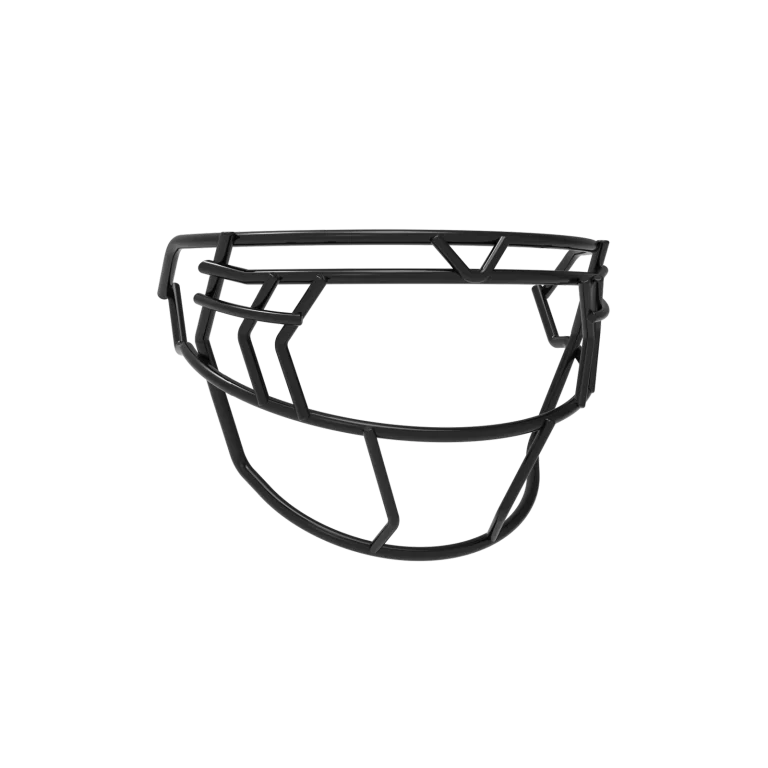
The running back carries the ball on the ground, catches short passes and helps protect the quarterback. He takes contact on every carry, often at full speed, which makes it one of the most exposed positions in the offence. His kit needs to protect without slowing him down: light but well-covering shoulder pads, either skill or all-purpose; a girdle with hip, thigh and tailbone pads; grippy gloves to keep hold of the ball; and cleats that bite when he changes direction. The facemask has to balance vision and protection, since a running back must spot gaps in the line while absorbing head-on collisions. Ball security and durability are the two words to keep in mind when choosing his equipment.
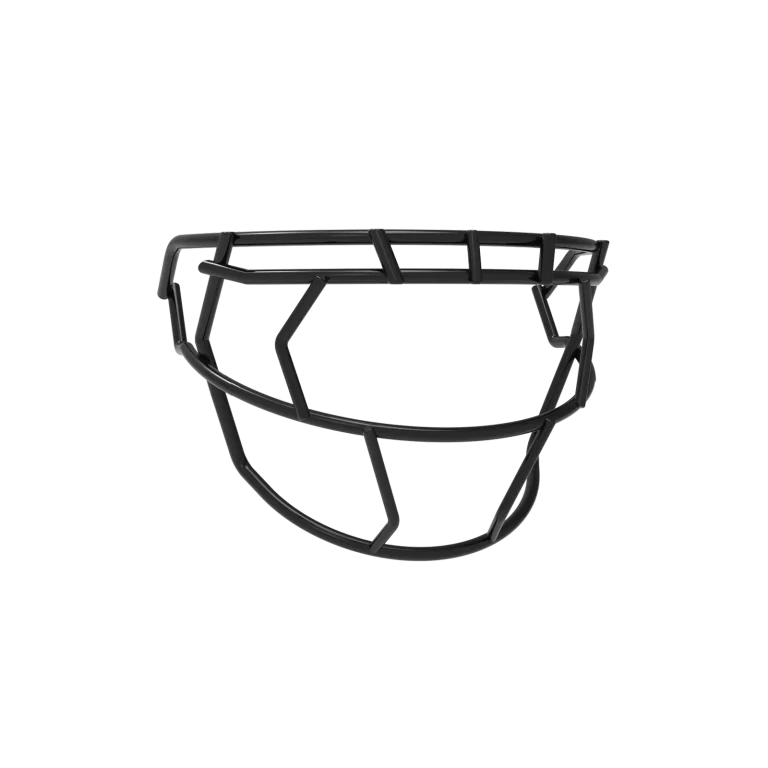
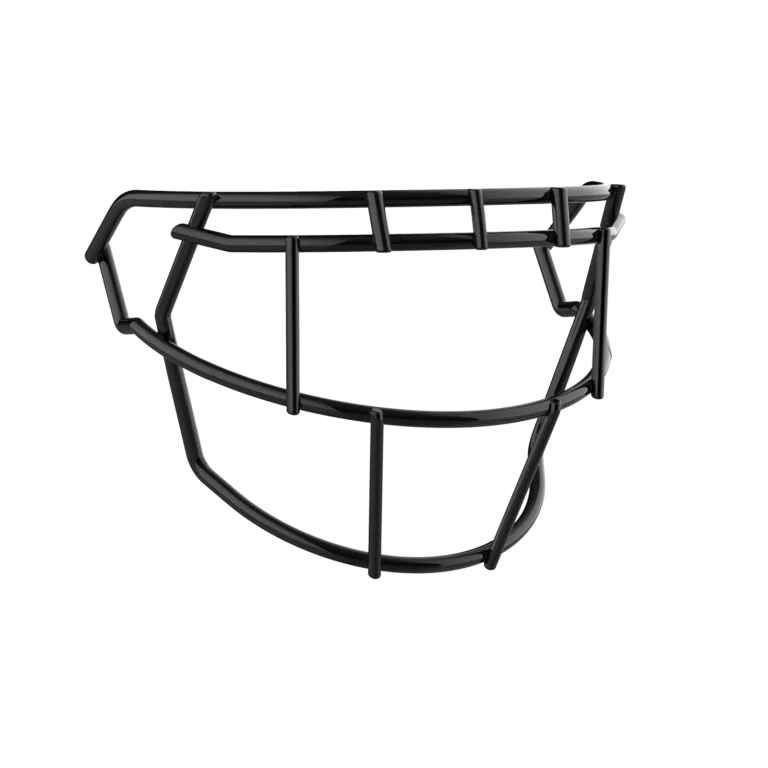
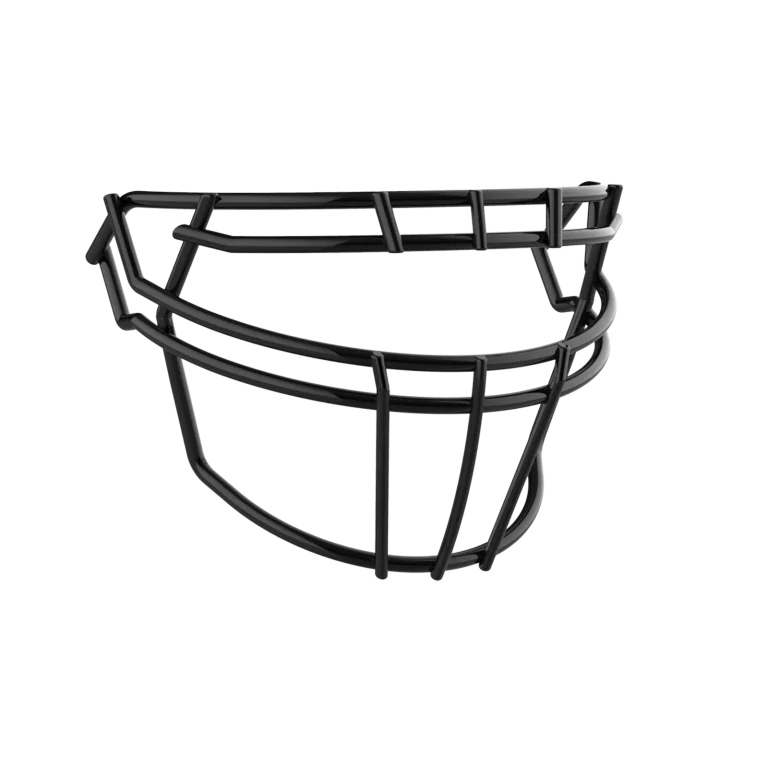
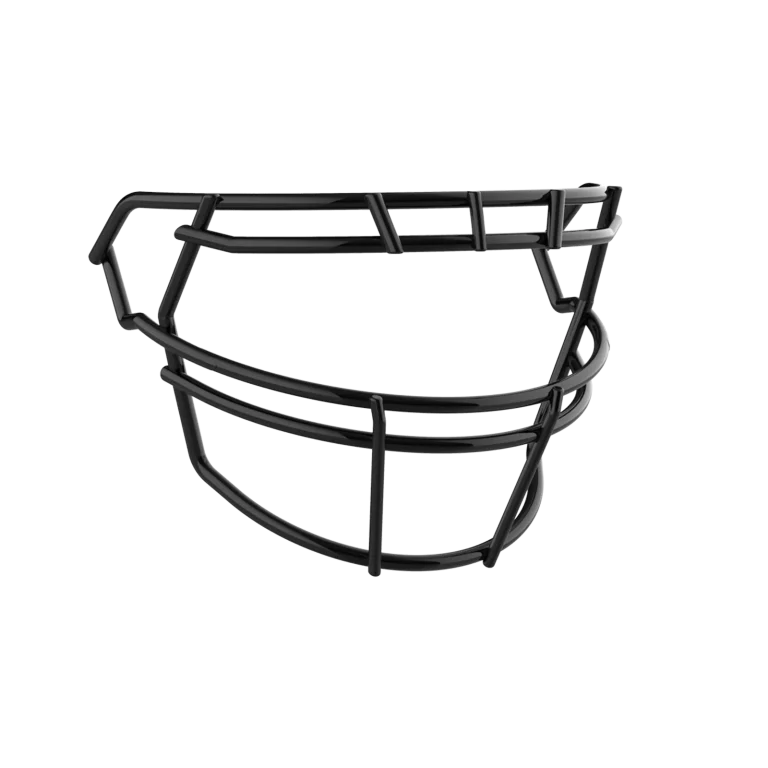
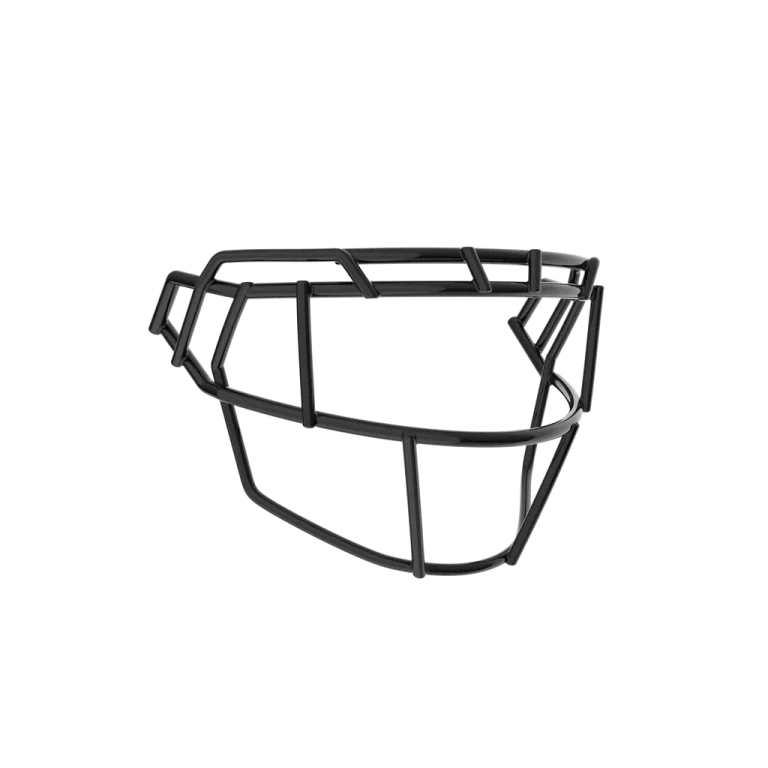
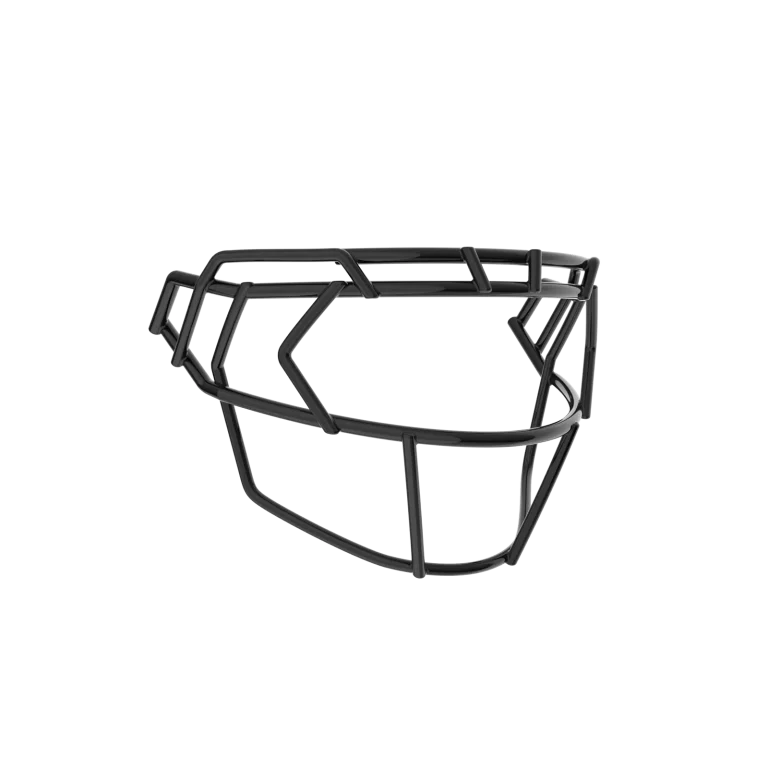
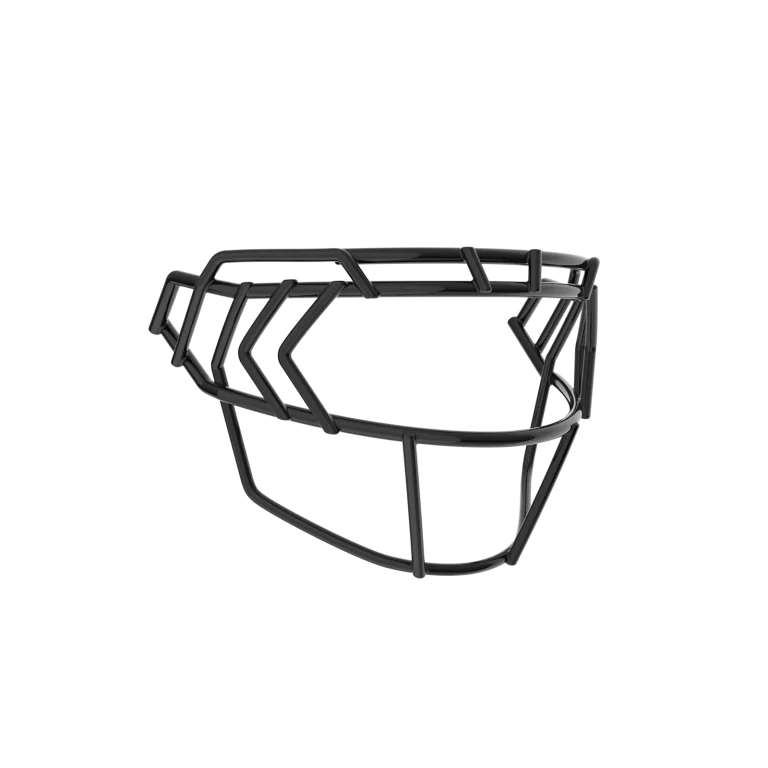
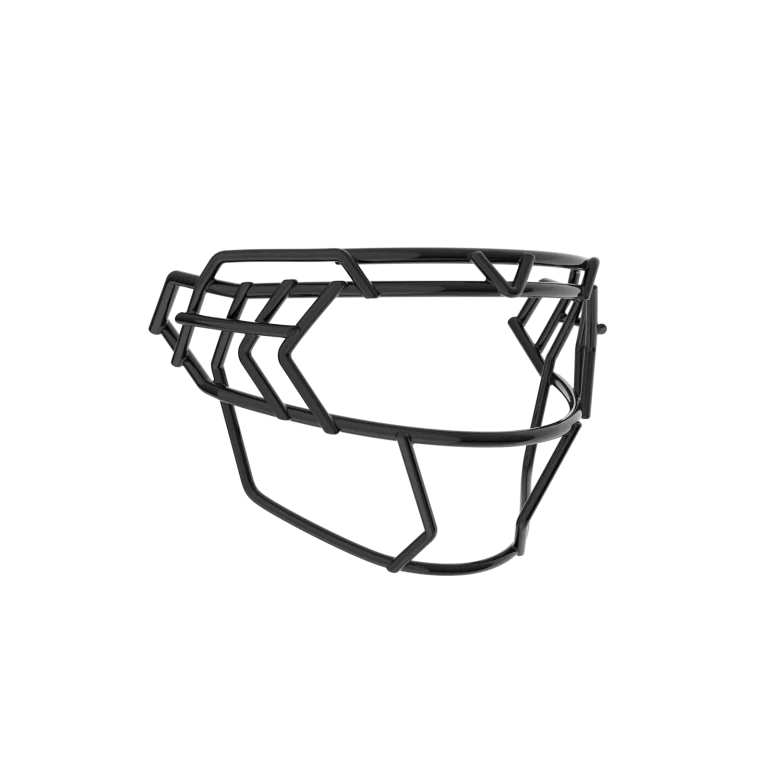
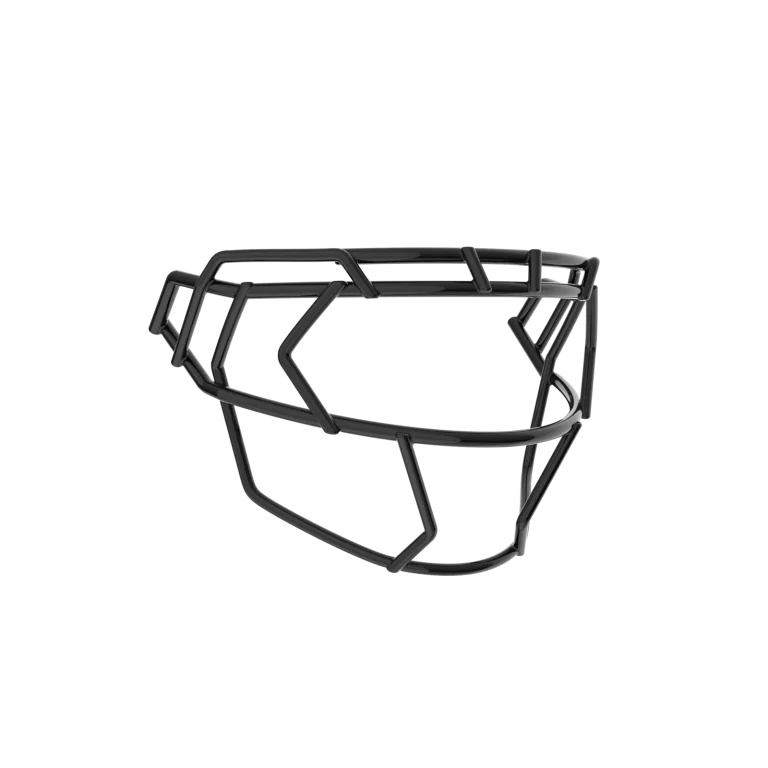
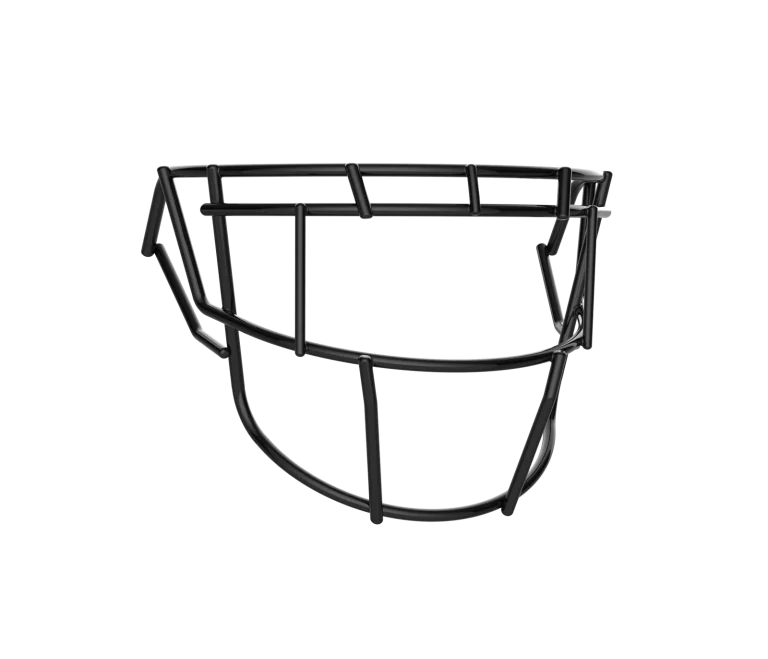
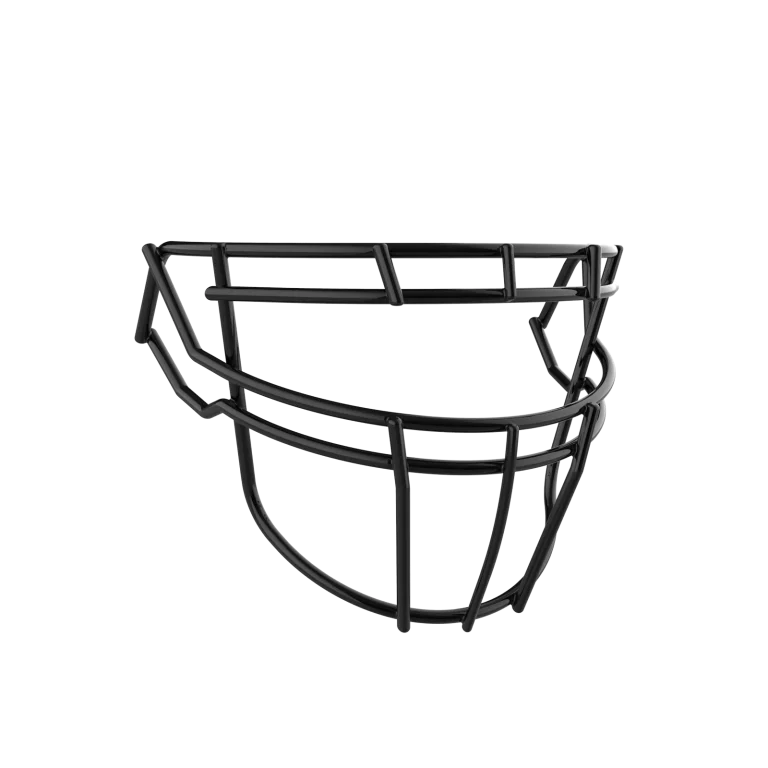
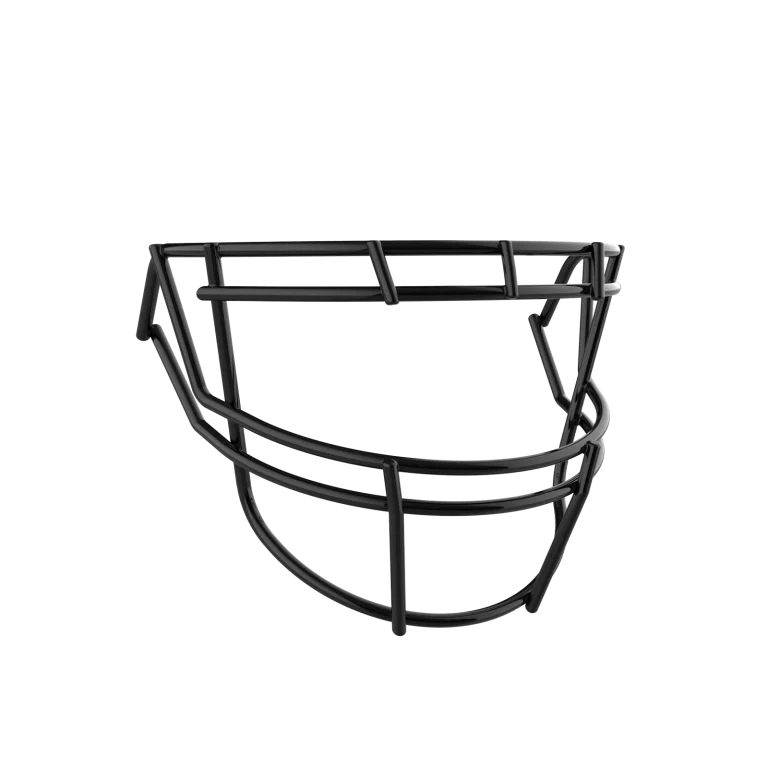
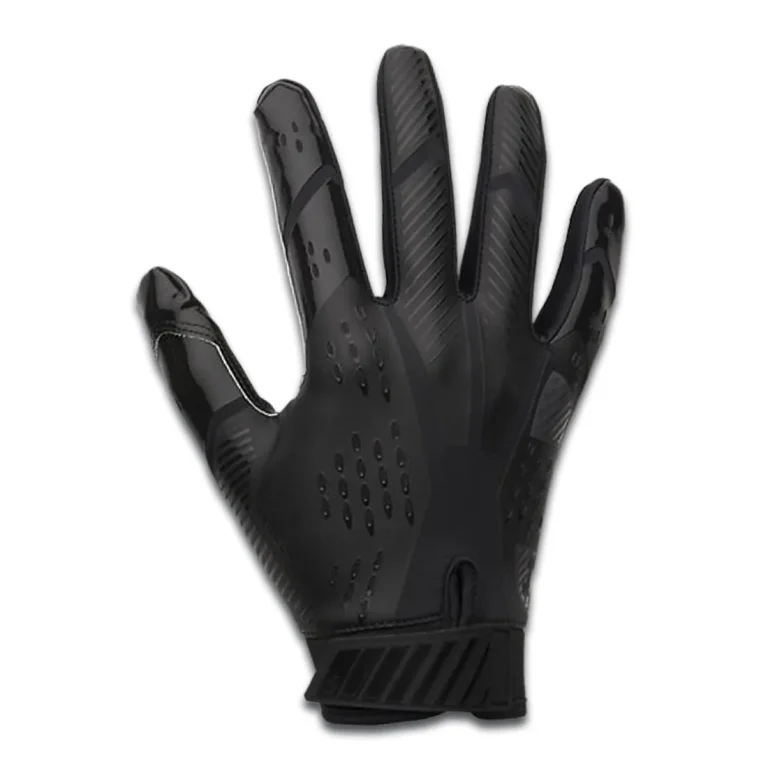
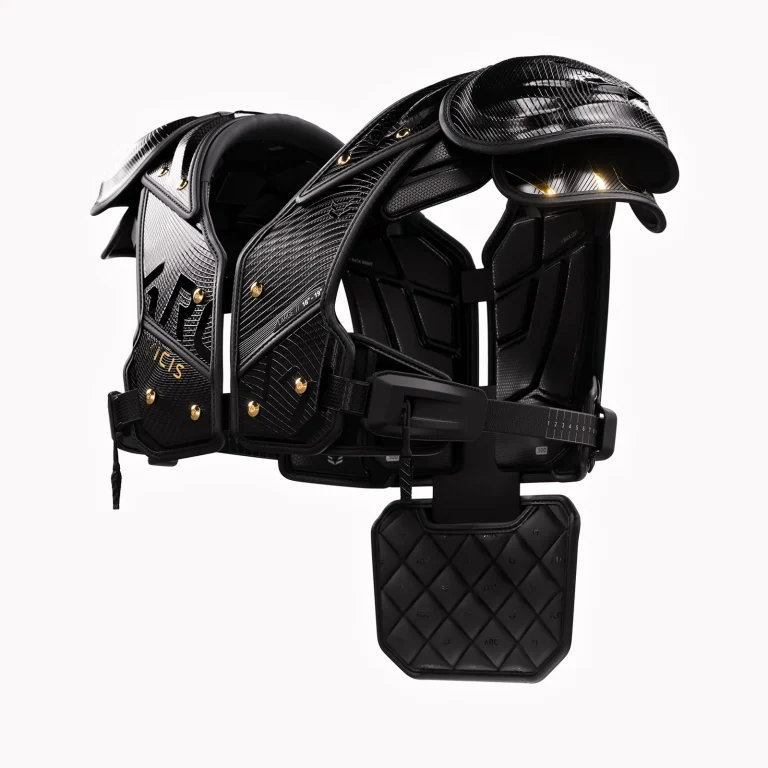
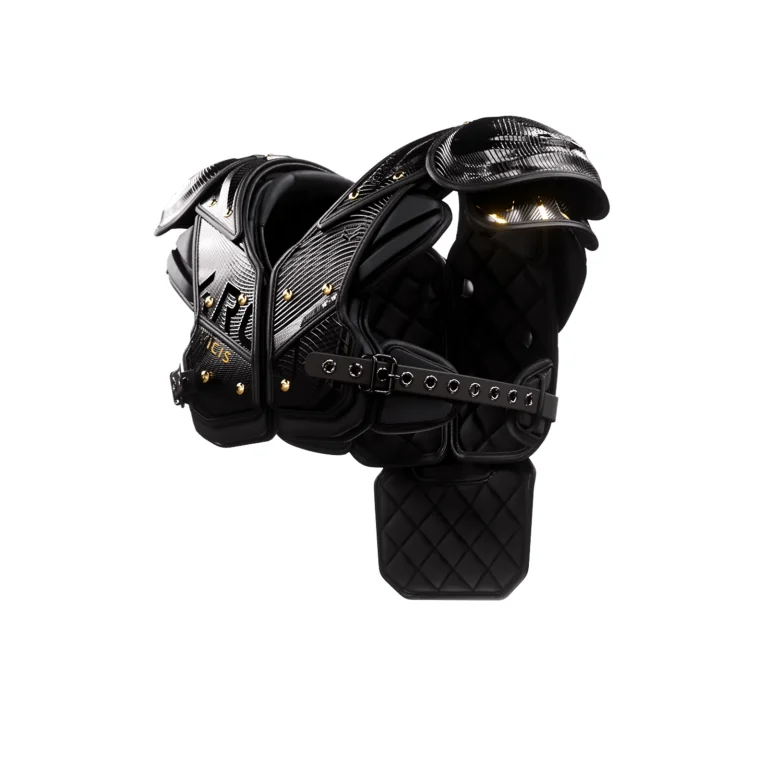
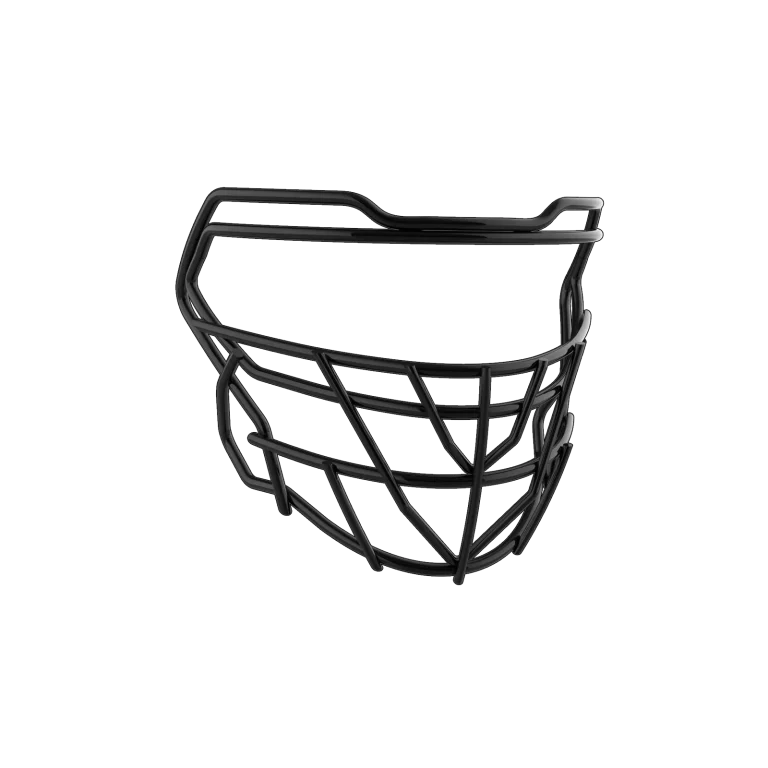
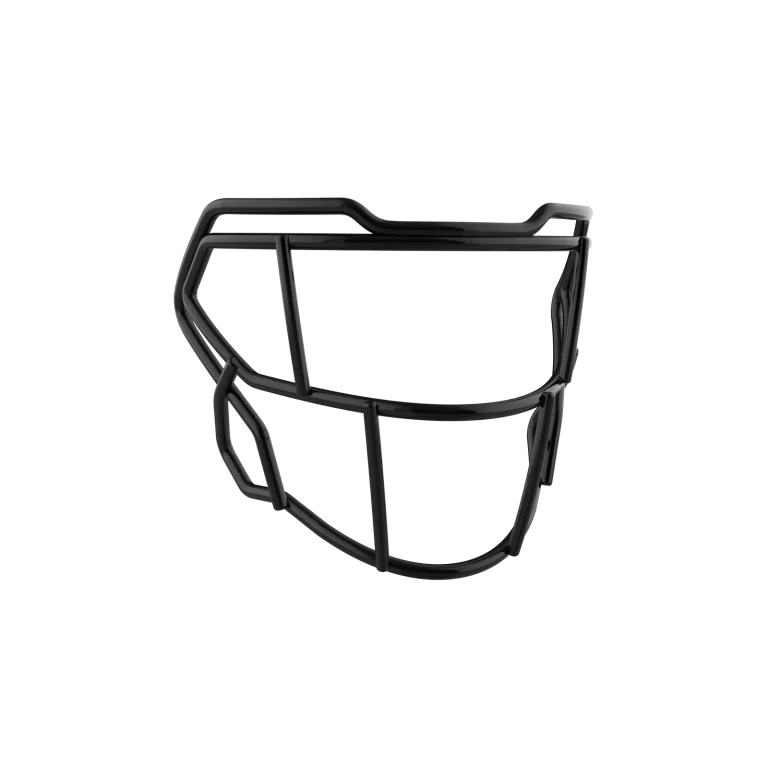
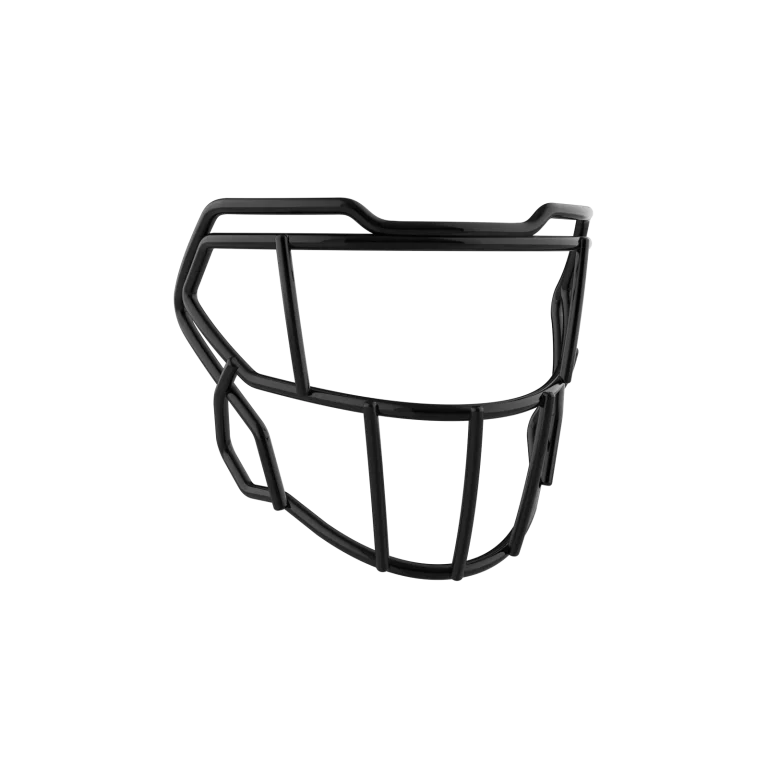
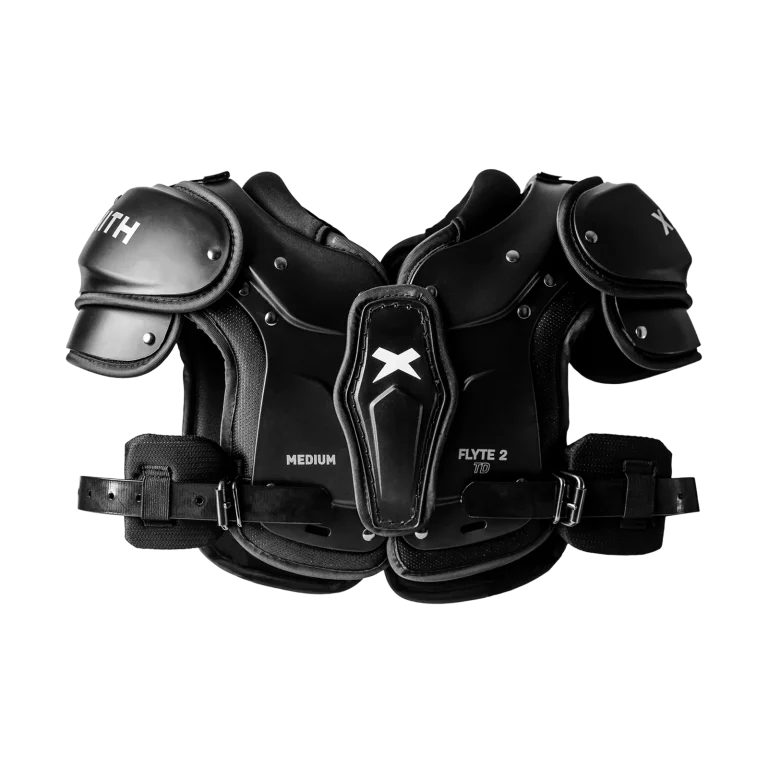
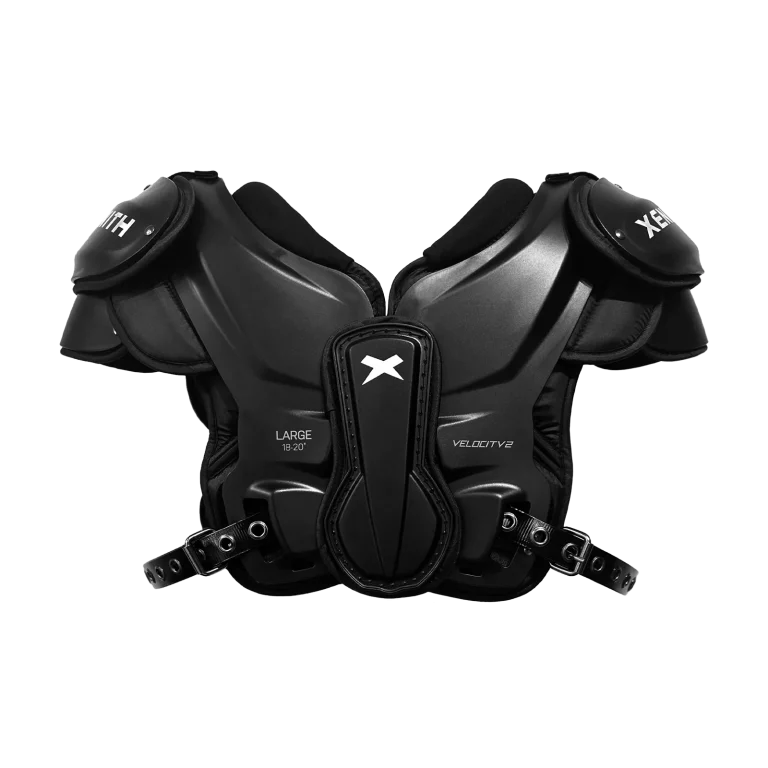
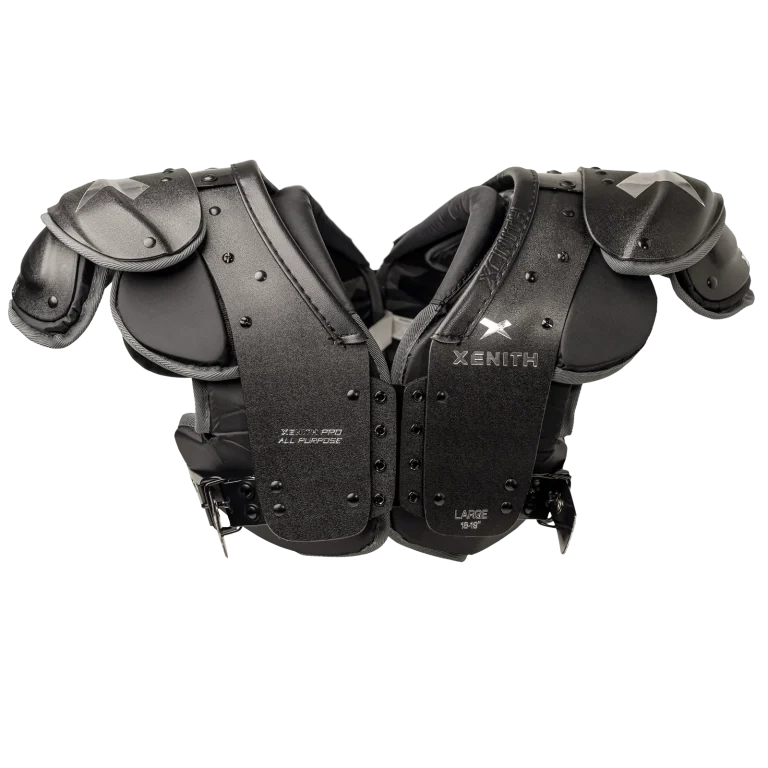
The running back wears several hats: ball carrier, receiver on short routes and blocker in pass protection. His equipment has to withstand repeated contact without costing him footing or acceleration.
Beyond size and fit, the facemask is the main decision. Running backs often go for a mid-range design: enough bars to protect the face in head-on contact, enough space to see holes in the line and defenders closing in from the sides.
Skill or all-purpose football shoulder pads are the norm here. They stay light while offering more coverage than the most minimal designs, which matters for a player who is tackled on every carry. The Xenith Velocity 2 in our catalogue is listed for running backs.
Fumbles cost games. Football gloves with a tacky palm help keep the ball tucked in and make catches easier. An all-purpose model, with a slightly more reinforced back than a receiver glove, also protects the hands when blocking. The Grip Boost Raptor 2.0 is listed for this position.
Running backs combine cuts, bursts of acceleration and power steps. They look for football cleats with strong traction and an ankle height that suits their style: low-cut for quickness, mid-cut for extra support.
A running back who does a lot of pass blocking benefits from slightly sturdier gloves and shoulder pads, whereas a quicker back used mostly on outside runs can lean towards lighter kit.
Skill or all-purpose shoulder pads: light enough to keep his speed, with enough coverage to absorb repeated tackles. The choice depends on the player's build and how much pass blocking he does.
A running back is tackled and brought to the ground on almost every carry. A girdle with hip, thigh and tailbone pads protects the areas that hit the turf or take impacts from the side.
All-purpose gloves are often the better compromise: a grippy palm to secure the ball and a more reinforced back for blocking. A back used mainly as a receiver may prefer a thinner receiver glove.